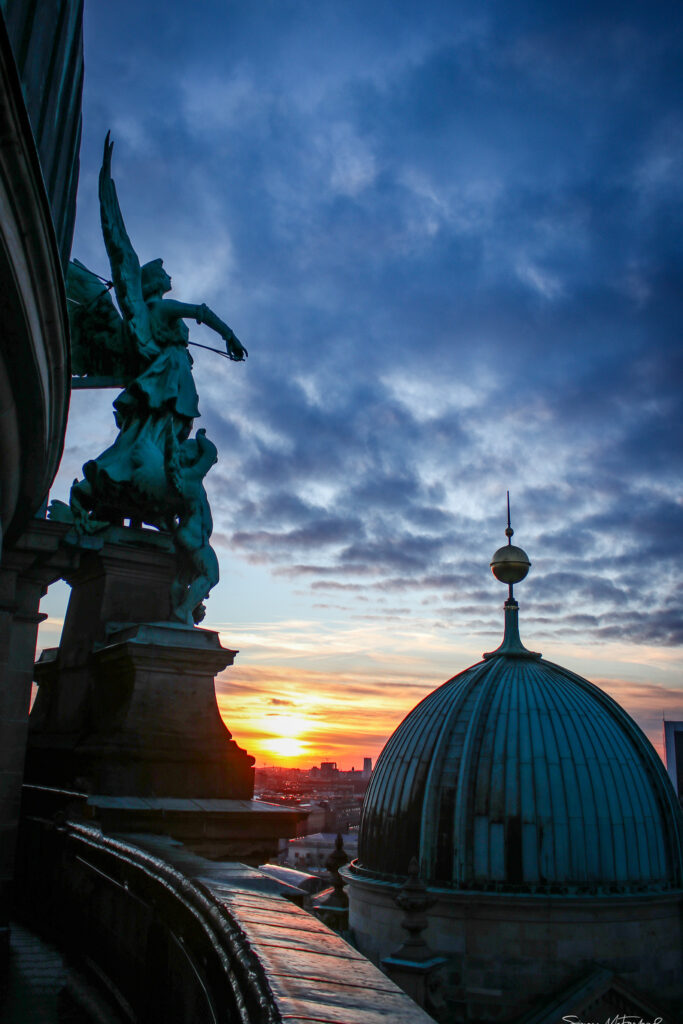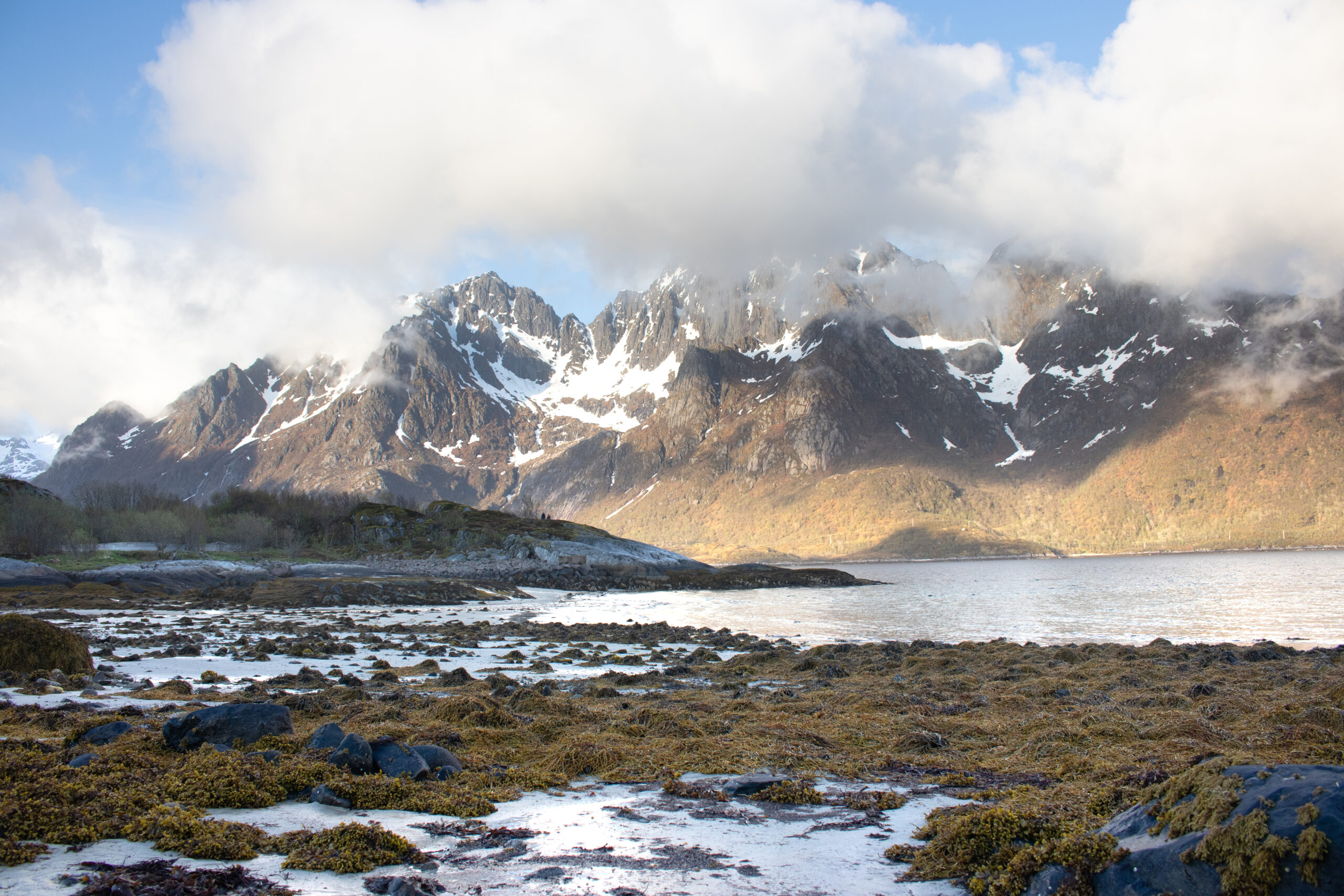
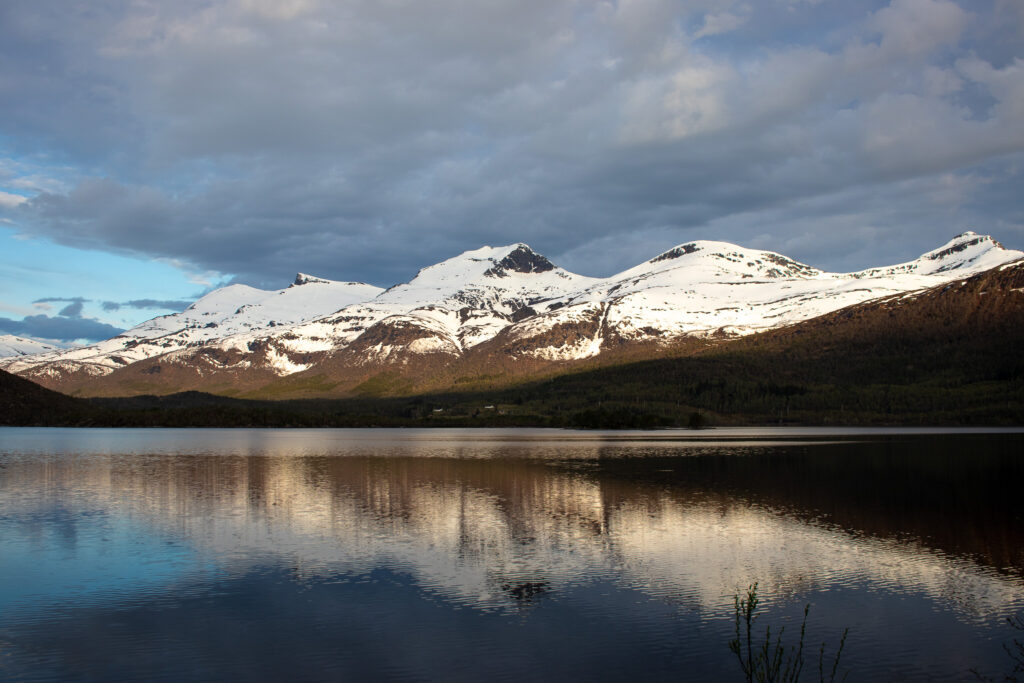
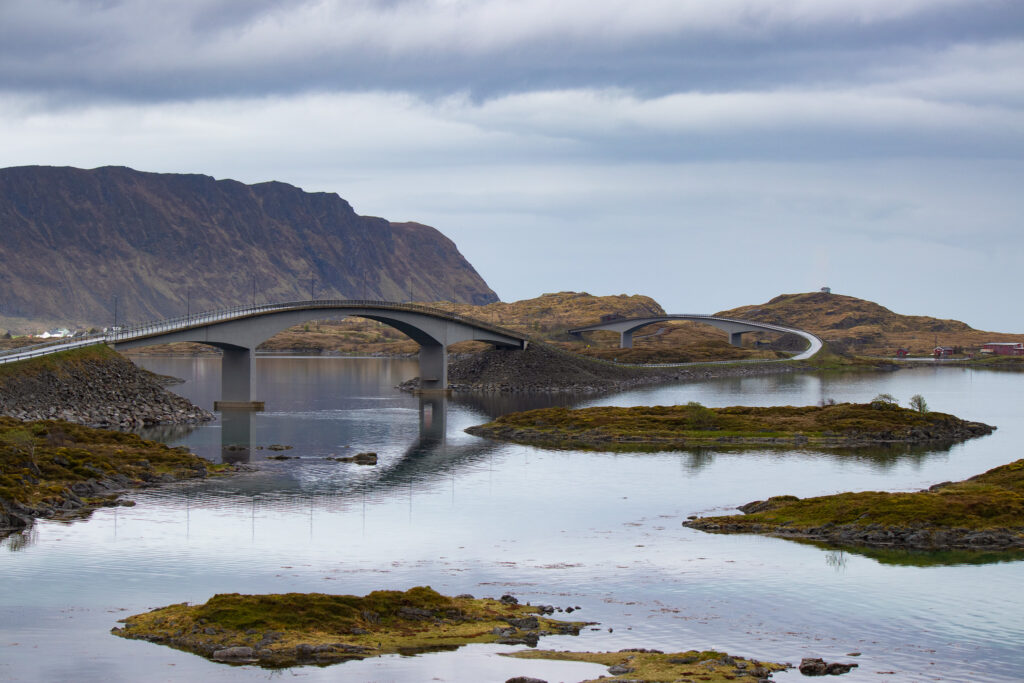
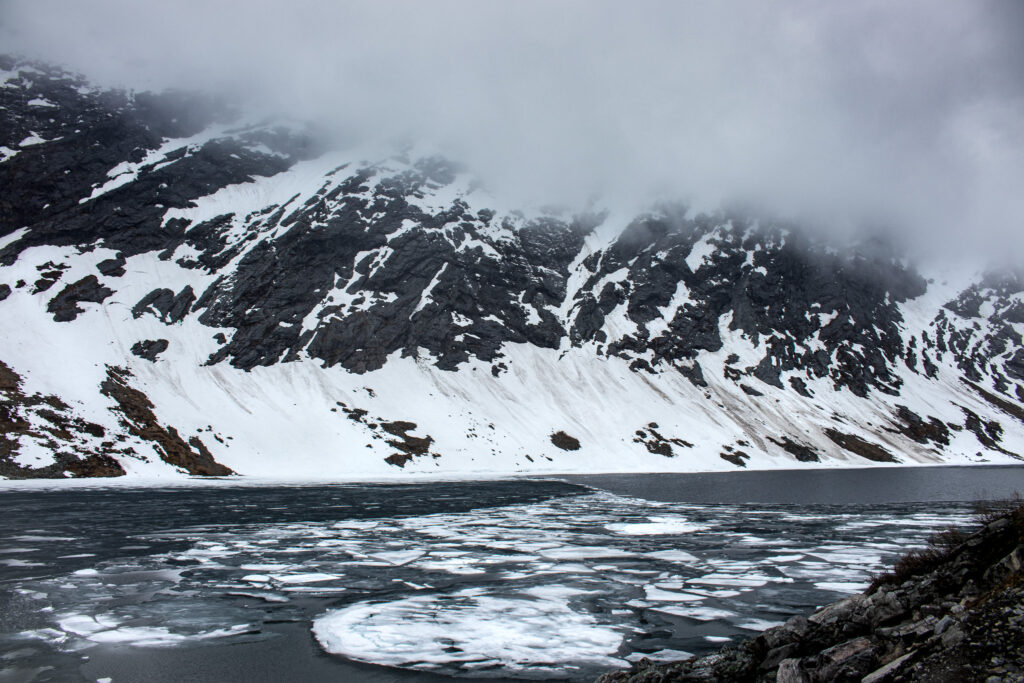
The greatest reason to visit Norway is beautifully simple: it’s breathtaking. Everywhere you turn, nature feels larger than life — dramatic, raw, and impossibly stunning
Instead of creating a traditional travel guide packed with checklists of what to see, where to eat, and how to plan every hour, I wanted this trip to feel different.
This is more of a personal journal — part reflection, part visual story — shaped by moments, impressions, and quiet pauses. It’s not just about destinations; it’s about what it felt like to stand there. To breathe that air. To watch the light change across a fjord. My hope is that through these glimpses, you’ll feel inspired to imagine your own version of Norway — and decide for yourself what calls to you most.
Of course, I’ll still share favorite stops, helpful maps, practical tips, and a few lessons I learned along the way. I’ll even include the books I read and films I watched beforehand — the ones that quietly set the tone for the journey.
Before I left, I kept hearing the same question:
Two whole weeks in Norway? What will you do for that long?
My answer was simple: I want to travel deeper.
I wanted the freedom to pull over at a waterfall just because it caught my eye. To linger without watching the clock. To sit in stillness and let the landscape speak. I didn’t want to rush from highlight to highlight or measure the trip in checkmarks.
I wanted to experience Norway — slowly, fully, and on my own terms.
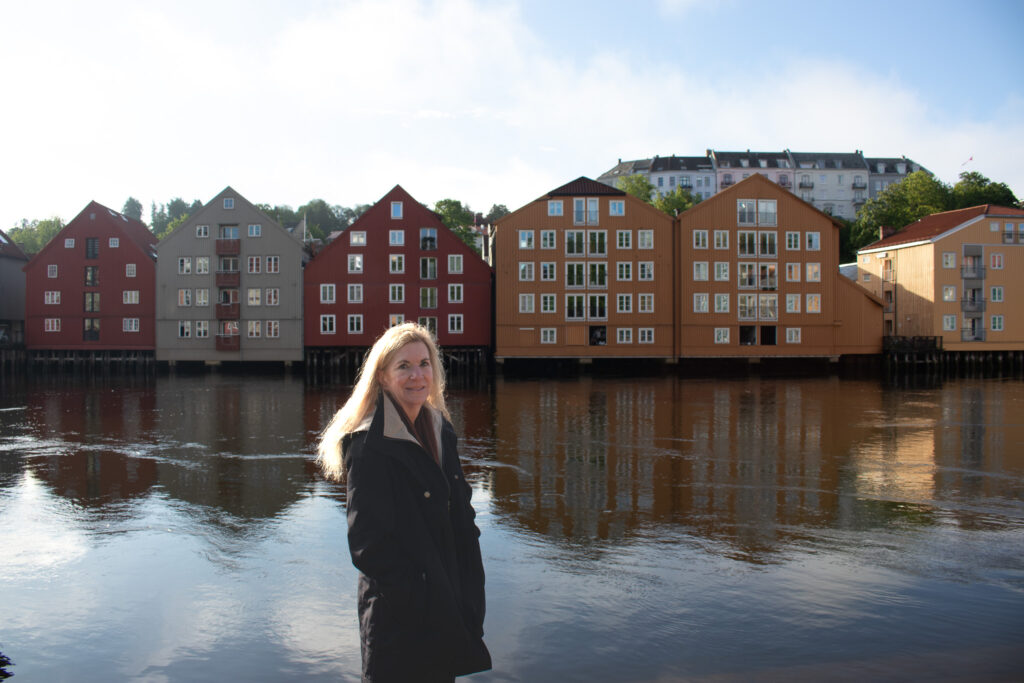
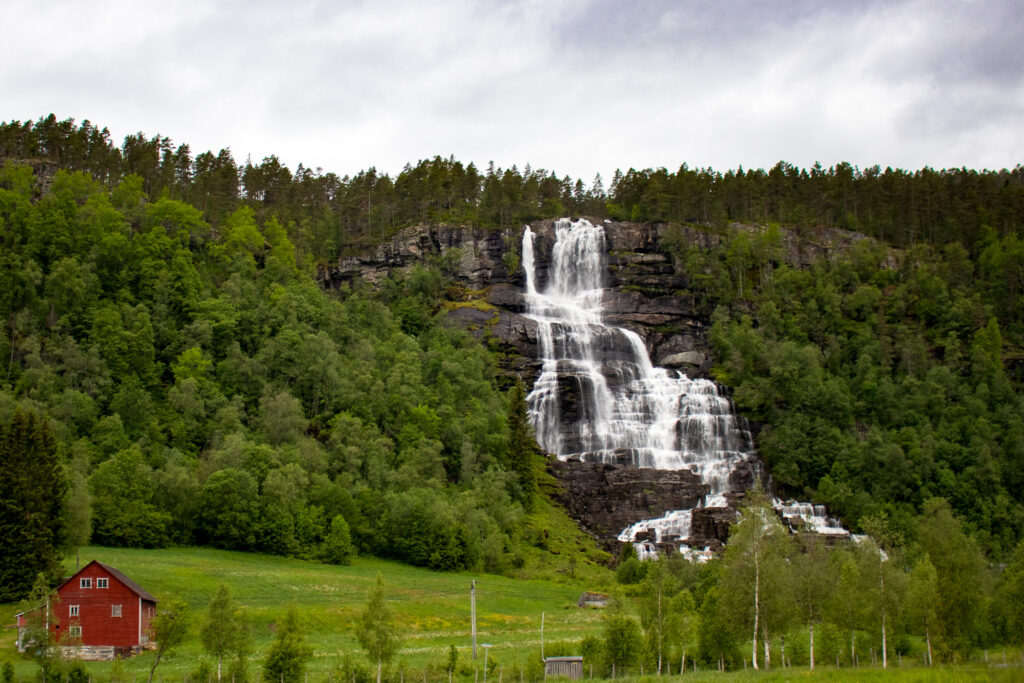
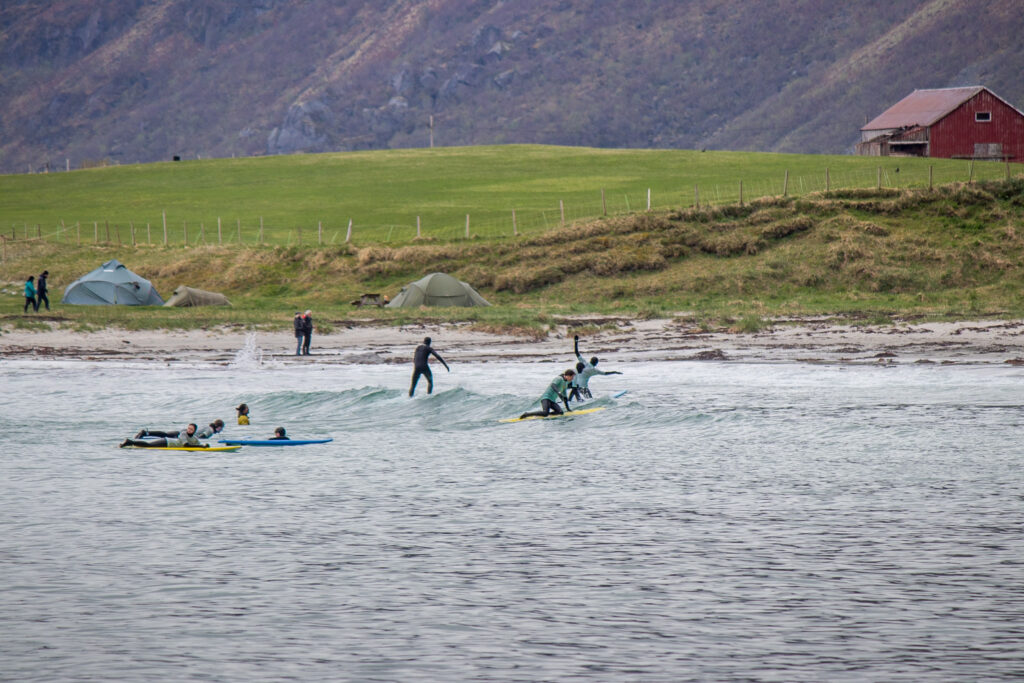
Oslo to Lofoten
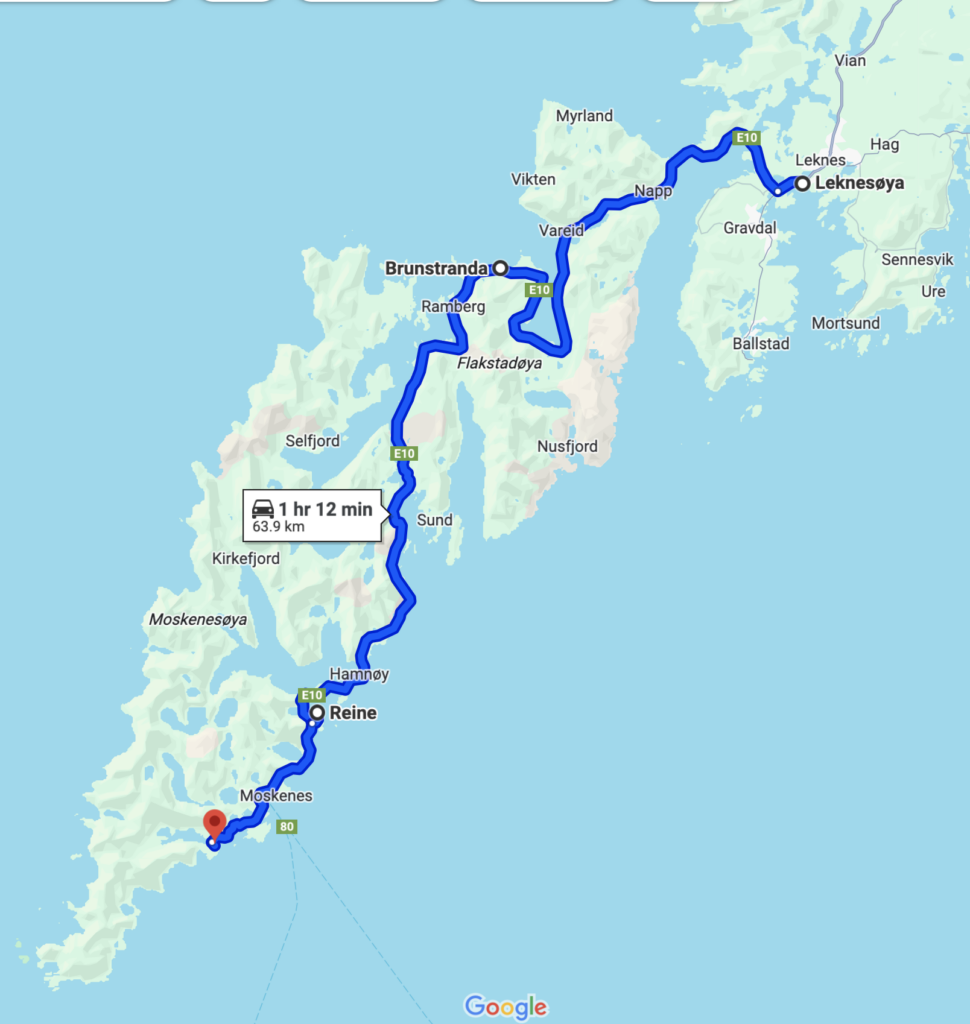
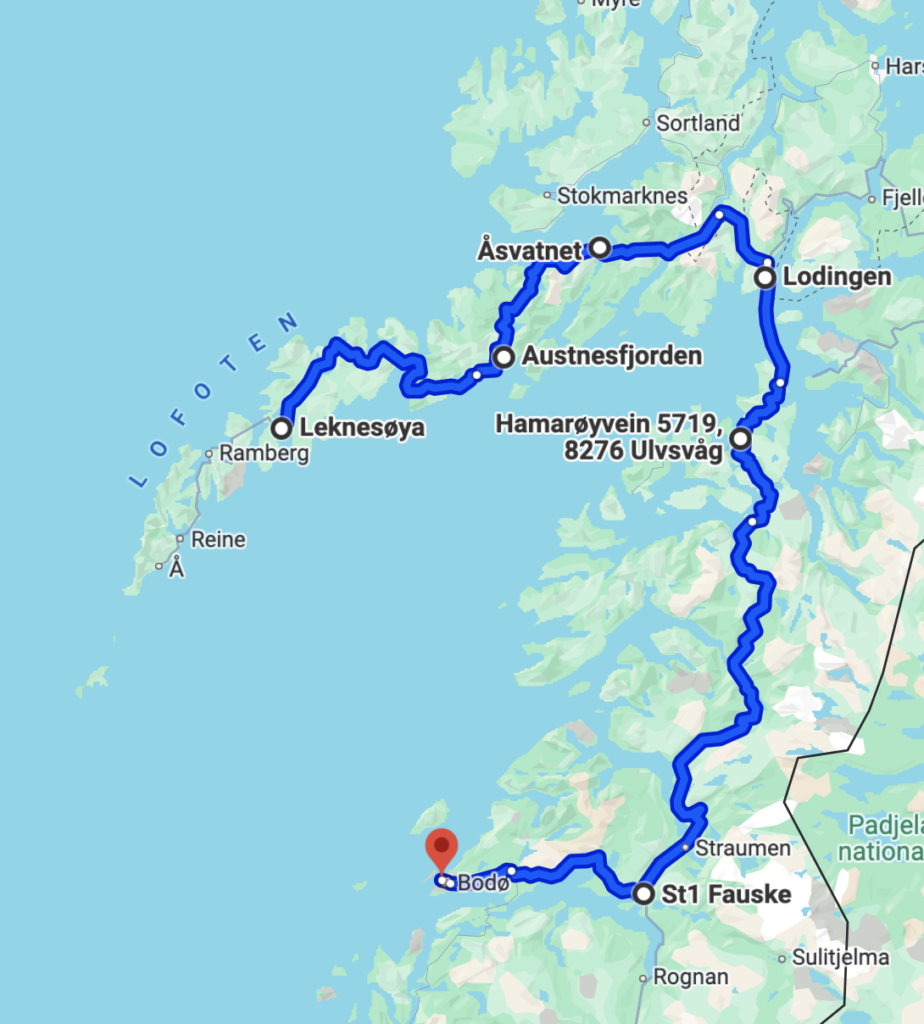
We flew into Oslo, then caught a connecting flight north to Bodø (pronounced Boo-duh). From there, we rented a car, took the three-hour ferry to Moskenes, and then drove about another hour to Leknes. There are places to stay closer to the ferry, but I intentionally chose to be farther from the cruise ship stops.
Lofoten is compact enough to choose one home base and explore from there. One day we drove west. Another day we explored east. On our final day, we made the full loop—east and then all the way back west—returning to Bodø. (You can see our exact stays in the itinerary.)
From Lofoten to Trondheim
After immersing ourselves in the wild beauty of Lofoten, which was my favorite part of the trip, we continued south toward Bergen, beginning the next chapter of our journey. We flew out, picked up another rental car, and set off once again—ready to experience a new side of Norway’s vast and varied landscape
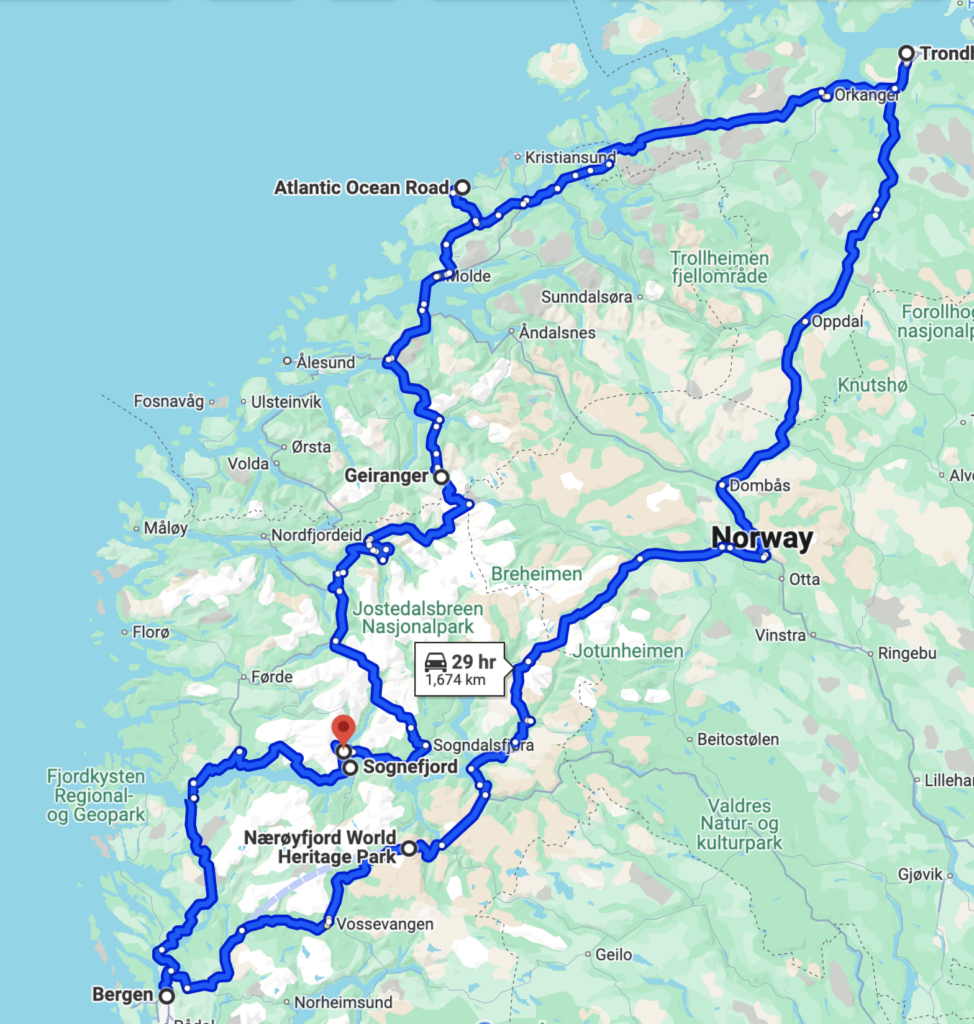
Our route took us north to Trondheim before looping back along a more southerly road. I tried to keep each day’s drive between three and four hours—just enough structure to make progress, but flexible enough to allow for scenic pull-offs, quiet villages, and those irresistible “let’s see where this goes” moments. One return stretch stretched to six and a half hours, but it never felt long. The views made sure of that. One highlight was the Fram Railroad, a one and a half hour train ride through tunnels, canyons and along ridges to see little town below and waterfalls. I would highly recommend this. (If you are going south on the train, try to sit on the right side of the train in the front seats where the window goes down. You’ll thank me later. )
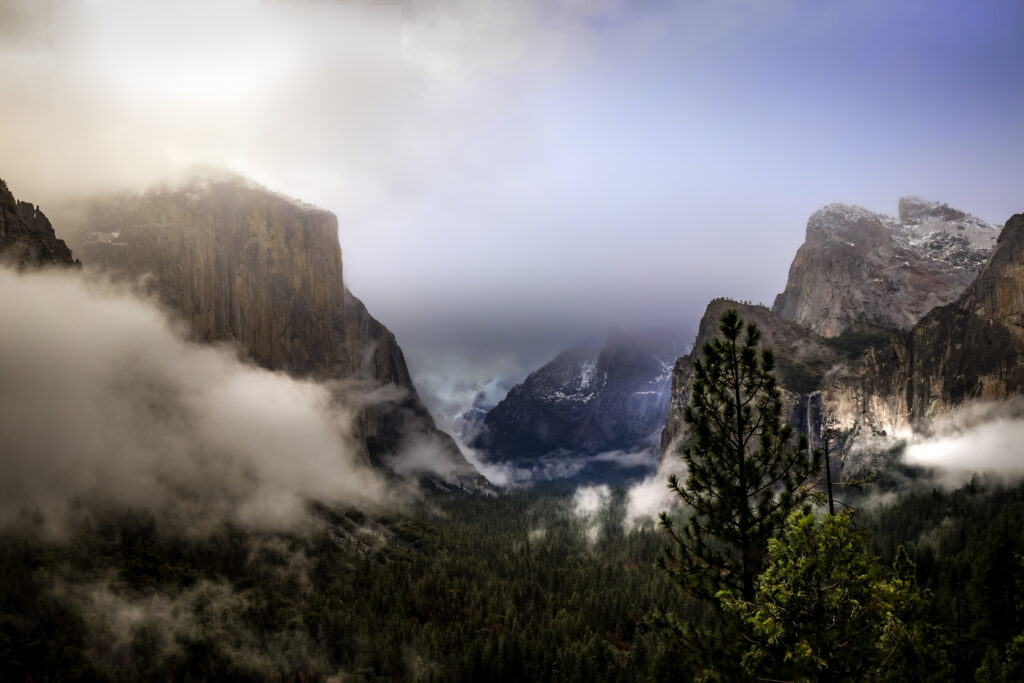
This part of the trip revealed a different rhythm—sweeping fjords, towering mountains, storybook towns, and small surprises we never could have planned for. It wasn’t simply about covering distance. It was about witnessing the landscape transform mile by mile, discovering the overlooked places, and appreciating the beauty found in the spaces between destinations.
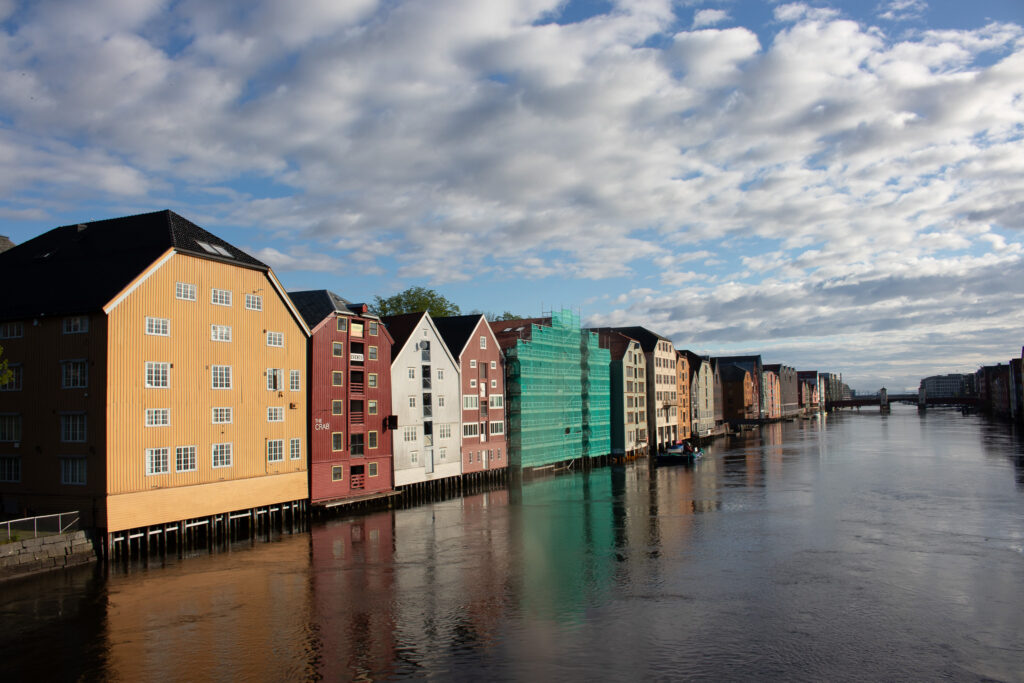
Oslo
We then took the train back to Oslo, where we spent three days exploring the city. Oslo offers an impressive range of museums, scenic boat rides along the fjord, and plenty of spots for souvenir shopping. I highly recommend the museums listed in the itinerary below.
Below you’ll find photos and links to the highlights from our time there.
| Itinerary | ||
| Thursday | Depart | Travel Time |
| Friday | Arrive Oslo | |
| Lodging | Clarion Hotel Oslo Airport | |
| Saturday | Fly from Oslo to Bodo | |
| Flight | SAS | |
| Lodging | Comfort Hotel Bodo | |
| Rental Car – Bodo | ||
| Sunday | Bodo to Lofton via Ferry | |
| Ferry to Moskenes | ||
| Lodging | Scandic Leknes Lofoten | |
| Monday | Lofoten (Leknes) | |
| Drive North | ||
| Meal | Solsiden Brygge | |
| Tuesday | Lofoten (Leknes) | |
| Drive to A | ||
| Meal | Lunch – Maren Anna | |
| Wednesday | Lofoten (Lekns) to Bode | 7.5 hours |
| Turn in Car | ||
| Lodging | Quality Hotel Ramsalt | |
| Thursday | Bode to Bergan | 3.5 hours |
| Flight | SAS | |
| Pick Up Car | ||
| Bergan to Songnefjord | 3.5 hours | |
| Lodging | ||
| Friday | Songnefjord to Geiranger | 4.5 hours |
| Lodging | Havila Hotel Geiranger | |
| Attraction | Seven Sisters Waterfall | |
| Attraction | Geiranger Skywalk | |
| Saturday | Geiranger to Atlantic Ocean | 3.5 hours |
| Scandic Select-Greiranger | ||
| Sunday | Atlantic to Trondheim | 4 hours |
| Lodging | Quality Hotel Augustin | |
| Monday |
Trondheim to Nærøyfjord World Heritage Park | 6.5 hours |
| Fjord Cruise Nærøyfjord | ||
| Hotel Aurlandsfjord | ||
| Tuesday | Nærøyfjord World Heritage Park to Bergan | 3.5 hours |
| Lodging | Hotel Oleana | |
| Attraction | Flam Railroad | |
| Wednesday | Bergan to Oslo | |
| Lodging | Clarion Hotel The Hub | |
| Munch Museum | ||
| Thursday | Oslo | |
| Attraction | Historical Museum | |
| Friday | Oslo | |
| The Fram Museum | ||
| Kon Tiki Museum | ||
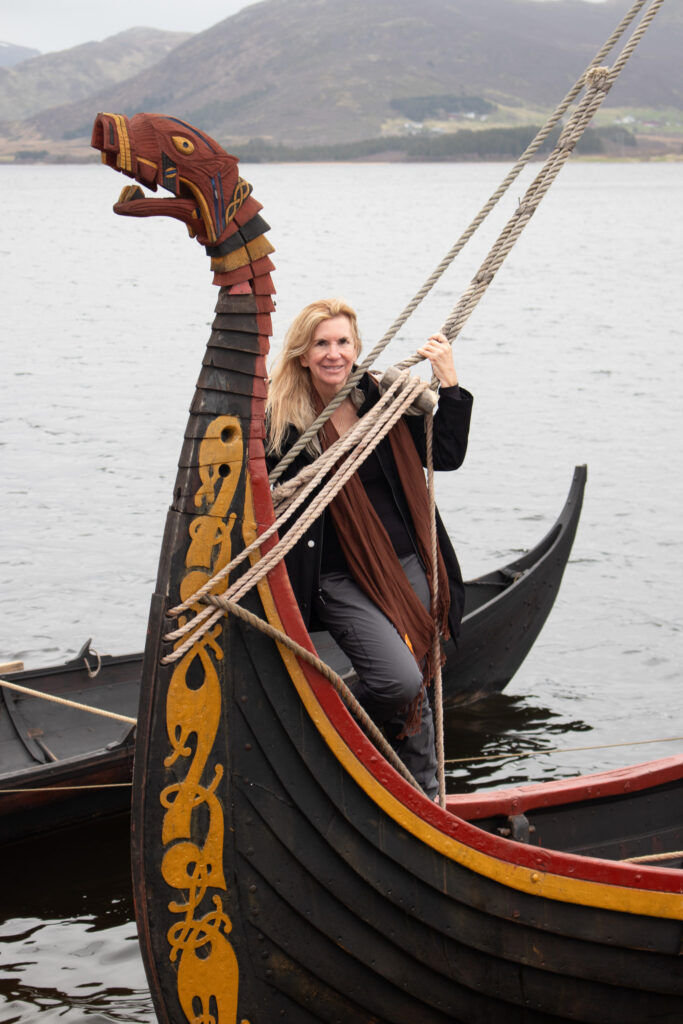
| Viking Planet Museum | ||
| Sail boat shrimp cruise | ||
| Saturday | Oslo to home | |

Good to Know
• Food is expensive. We never paid less than $100 for dinner, and most evenings averaged around $150 for two people with one drink each.
• Hotel breakfasts are generous. Every place we stayed included a substantial breakfast—take advantage of it.
• Bring a small, foldable cooler. Stop at a grocery store for snacks and supplies. Even convenience stores are pricey.
• Public transportation in Lofoten is limited. We saw plenty of bus stops but very few buses. Renting a car is essential.
• Consider a small motorhome. They’re popular here, and there are many scenic roadside pull-offs and RV parks for overnight stays. We’ll likely do this next time.
• Fast food is rare. High wages mean you won’t see many chains. We only noticed them in Oslo and Bergen.
• Driving details. Norwegians drive on the right side of the road. Many rentals are electric. We requested gas-powered and ended up with a diesel first, then a hybrid.
• Ferries are part of the road system. They operate like floating rest stops and are common throughout Norway. You drive your car onto the ferry, park, step out to use the restroom or grab a snack, then return to your vehicle before docking and driving off. Be mindful of ferry schedules—unless you’re fully embracing vacation mode and letting go of the clock.
• Bodø sits just above the Arctic Circle. In summer, the sun barely sets (midnight sun). In winter, it barely rises (polar night).
• Your circadian rhythm may struggle. Not all hotels have blackout curtains, so pack a sleep mask if you’re visiting in summer.
• VAT is 25%. Taxes are already included in displayed prices. For retail purchases, you can request VAT refund paperwork at the store and reclaim the tax at the airport VAT office—just be sure to ask for the proper form and keep your receipts.
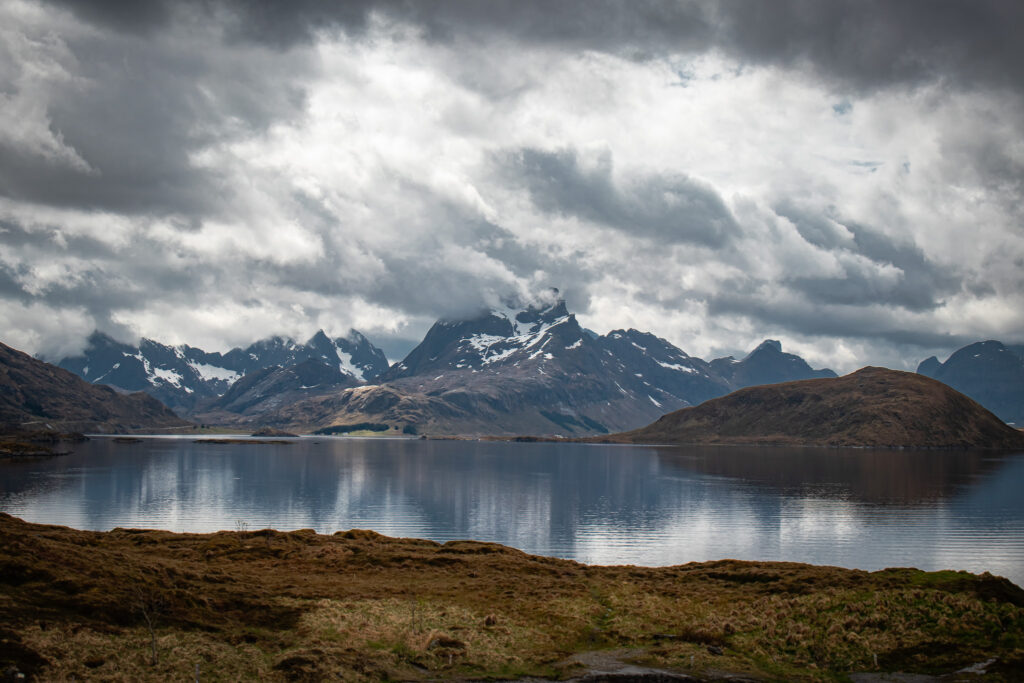
Once upon a time, the water flowed.
She said,
“I am powerful. I cool the heat and nourish the trees and wild grasses. I bring life to the world.
Where I flow, birds will sing, and fish will swim.
People will settle along my edges, and I will feed their souls.”
The mountains replied,
“I will join you. I will carve vast valleys for you to wander through.
I will surround you, forming deep lakes where you can rest when weary.
I will cradle the snow, which will melt slowly into magnificent waterfalls—
each one adding to your journey, your rhythm, your life.”
The clouds, listening, were moved.
They said,
“We will play our part.
We’ll wrap you in soft mist, cloaking the mountains in mystery.
We’ll lay low along your shores, weaving fog like silk across the surface.
And when you need joy, we’ll chase the sunlight and dance in your reflection.
We’ll make you smile.”
The water replied,
“I am grateful to you both.
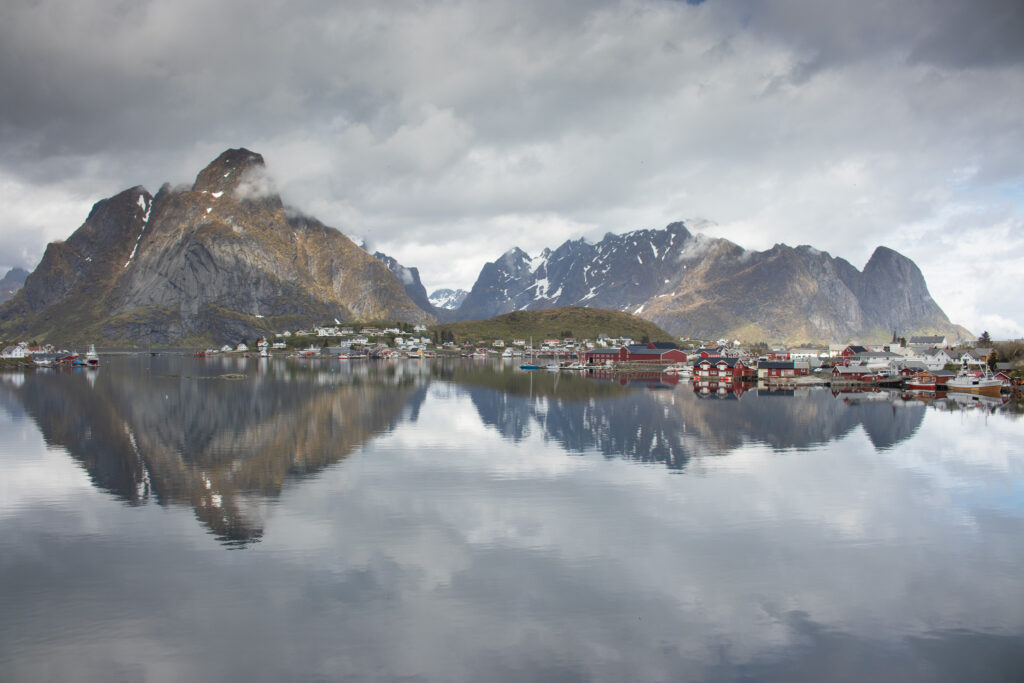
In my stillness, I will mirror your beauty.
Your shapes and colors will forever live within me.”
This is the Lofoten Islands.
Inspiration
My Heart Aches
It’s a real, physical pain—centered in my chest like a quiet weight.
We just left Lofoten, and already I miss it profoundly.
I want to turn the car around and go back. I want to stay until I’ve seen it so many times I no longer react with wonder. Stay until the magic wears off. Until I stop saying “Wow” every time we round a corner and see another waterfall spilling from the sky, tumbling down a towering mountain into a azure blue fjord so clear it feels imagined.
Lofoten is Mother Nature showing off. Boldly. Effortlessly. Unapologetically.
I want to remain until the snow-dusted peaks and desolate ridges—dotted with brown grasses and black rock—become ordinary. -Expected. Here I want to walk in the rain, smile into the wind, and wake up each morning surrounded by its rugged beauty.
Only when I stop seeing the wonder—then I’ll go.
That’s what I tell myself.
But it’s not real.
It’s time to leave.
And I’m not ready.
Resources
Books
The Sea Wolves, A History of the Vikings Lars Brownworth
The Kingdom of Ice Hampton Sides: This book talks about a journey of the USS Jeannette. The tie to Norway is that the ship the Fram followed a similar path. The Fram is located in The Fram Museum in Oslo.
Movies
The Last Kingdom