Category: Weekend Getaway

  • San Pancho, Mexico Travel Guide: Things to Do, Where to Stay, and Why You’ll Love This Hidden Riviera Nayarit Gem

    San Pancho, Mexico Travel Guide: Things to Do, Where to Stay, and Why You’ll Love This Hidden Riviera Nayarit Gem

    Tucked along Mexico’s stunning Pacific coast, San Pancho—also known as San Francisco—is a hidden gem in the Riviera Nayarit that offers a perfect blend of laid-back beach vibes, vibrant culture, and natural beauty. Just an hour from Puerto Vallarta and a short drive from Sayulita, this charming coastal town is known for its lush tropical greenery, colorful architecture, and welcoming local community.
    What truly sets San Pancho apart isn’t just its scenic beaches or jungle surroundings—it’s the genuine warmth of its people. Visitors are often greeted with a friendly “mucho gusto,” creating an inviting atmosphere that makes you feel at home almost instantly. With a population of just a few thousand, life moves at a slower pace here, making it an ideal destination for travelers seeking relaxation, authentic Mexican culture, and a break from the crowds. Whether you’re exploring boutique hotels, enjoying fresh coastal cuisine, or unwinding on the beach, San Pancho delivers a unique and memorable travel experience.

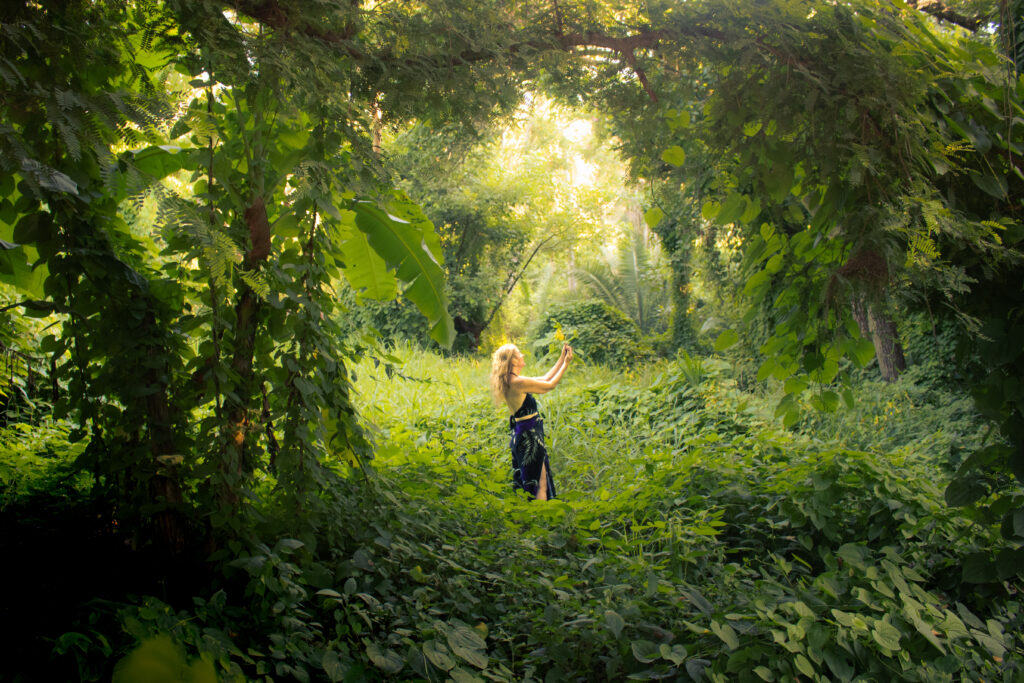
    With only three to four thousand people, time slows down here.  In the morning, it takes time for people to come alive and in the middle of the day, the heat and moisture forces you to become unhurried.  I spent many of my days clad in my swimming suit and coverlet, wandering through the shops, laying on the beach and walking through the jungle.  Every afternoon, I found myself back in my room or by the pool to cool down and take an afternoon siesta to be followed by a marvelous dinner each night.

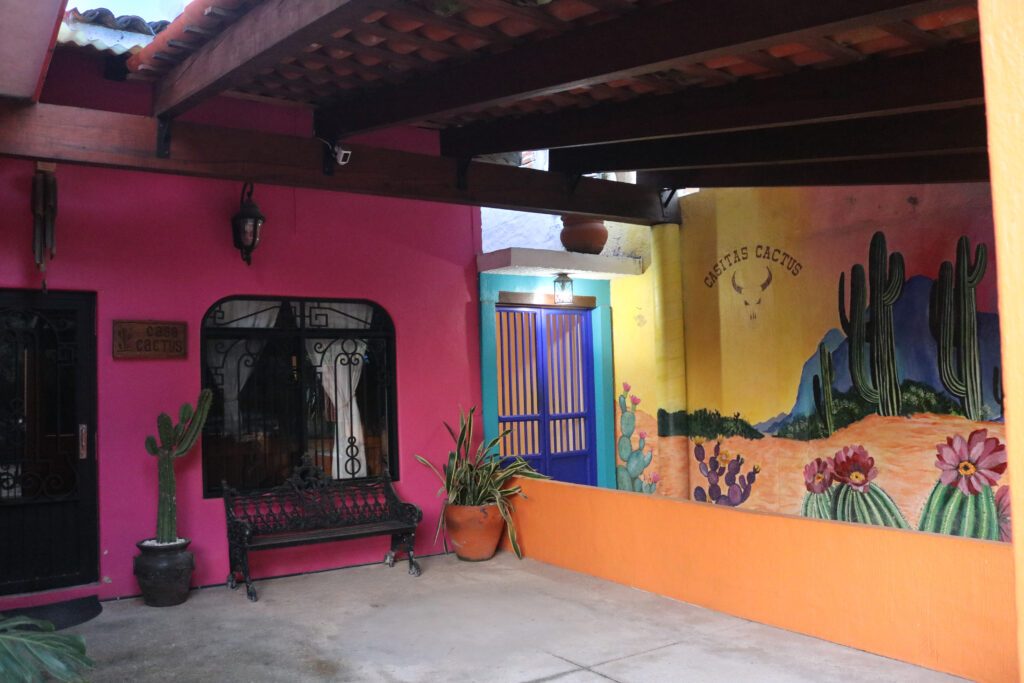
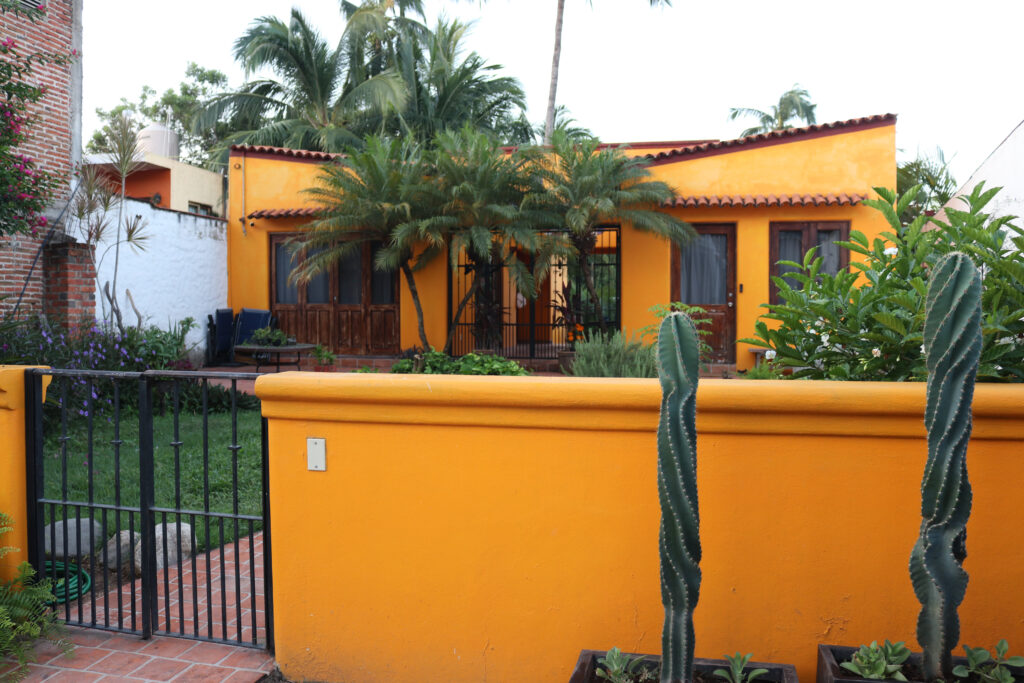
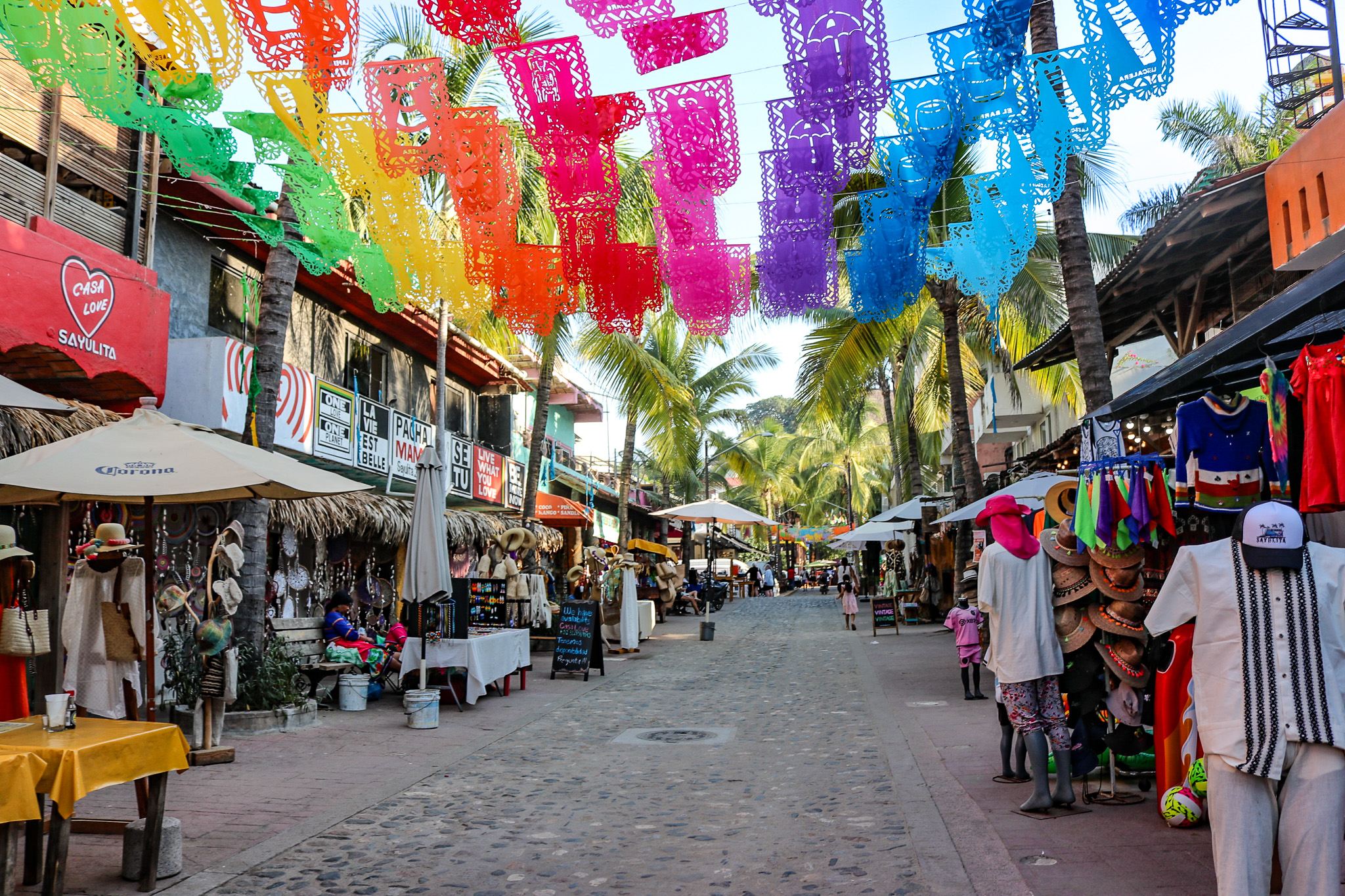
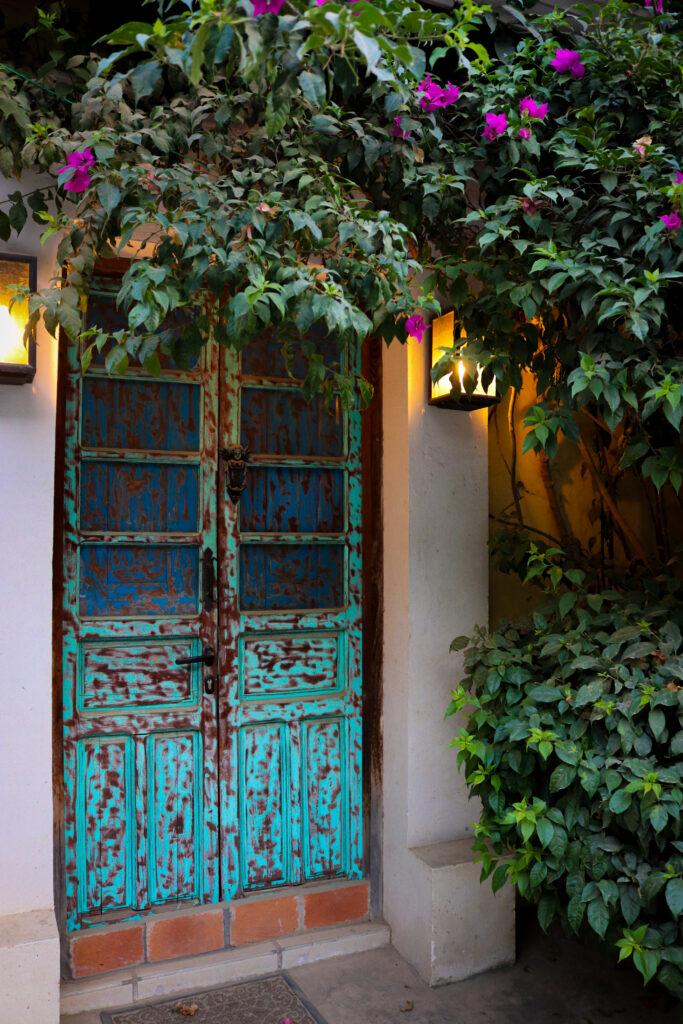
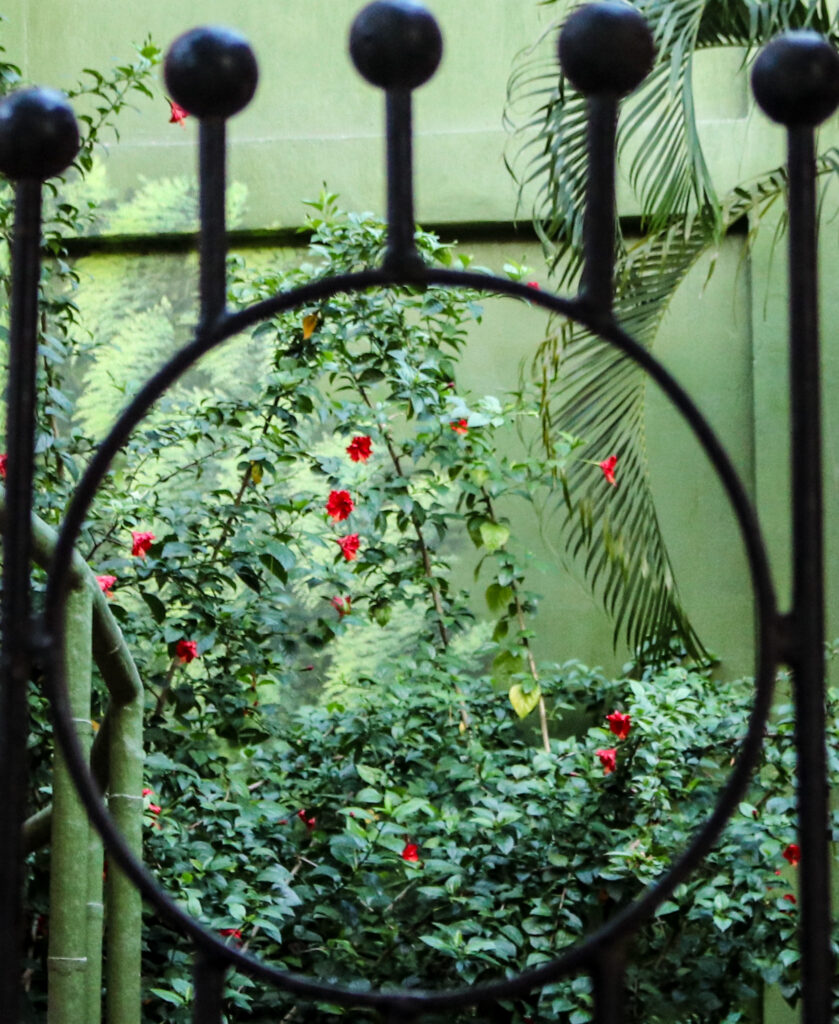
    San Pancho is also called San Francisco de Azapan after Don Francisco Cortes de Buenaventura named it Azapan in 1524. The buildings are a blend of old and upgraded, providing vibrant colors.  The interiors often contain beautiful courtyards with tropical plants, banana trees, coconut palms, hibiscus, ginger and bougainvillea. 

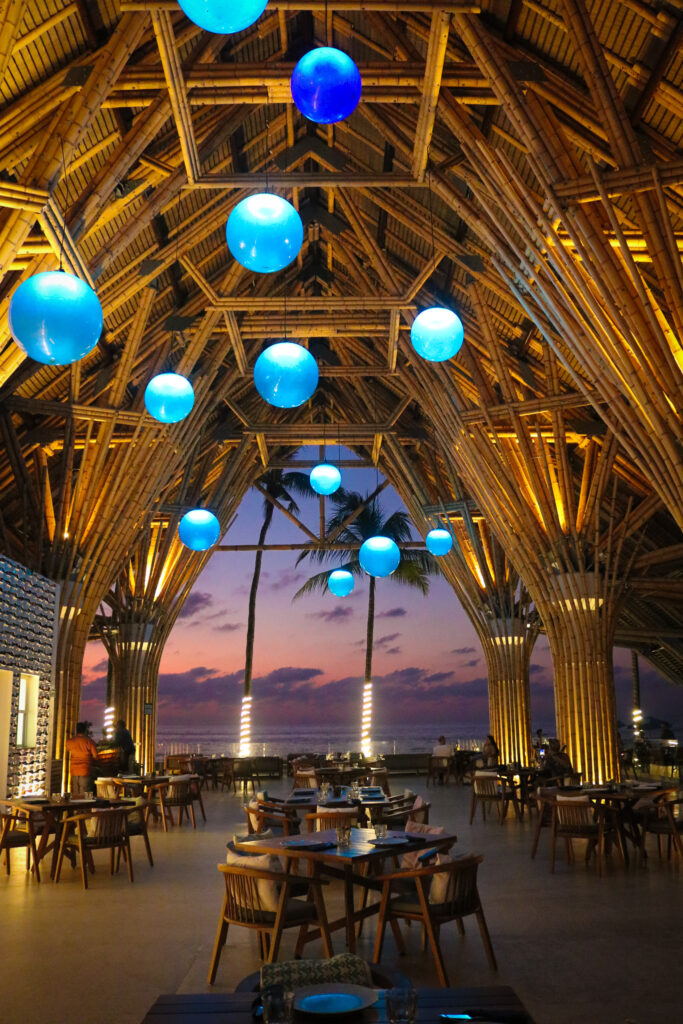
    There is one major resort located here, the Tierra Tropical Beach Club.  We ate here one night and the food was fantastic along with the view but don’t discount the small hotel offerings as there are a number of small places that are pretty, less expensive and just a short walk from the water.  I stayed at Hotel San Pancho.  My room was large, offered a pool and a breakfast of fruit, juice, coffee, bread and homemade jam along with a different Mexican entrée each morning.  It was just right for the lay back atmosphere I was looking for.
    The first thing you should. Really know about San Pancho is the time.  They are on Pacific Standard time while Puerta Vallarta is on Mountain Standard time.  Initially, this cause me a lot of confusion as when I was here, we were still on Daylight Savings time. This means it an hour earlier but my phone was still pinging of a cell tower in Mountain Time.  Okay if you’re by yourself but not good if your meeting someone.  Eventually, you just get use to San Pancho time which is on its own timeframe all together.  None of the travel blogs  I read before going mentioned this.

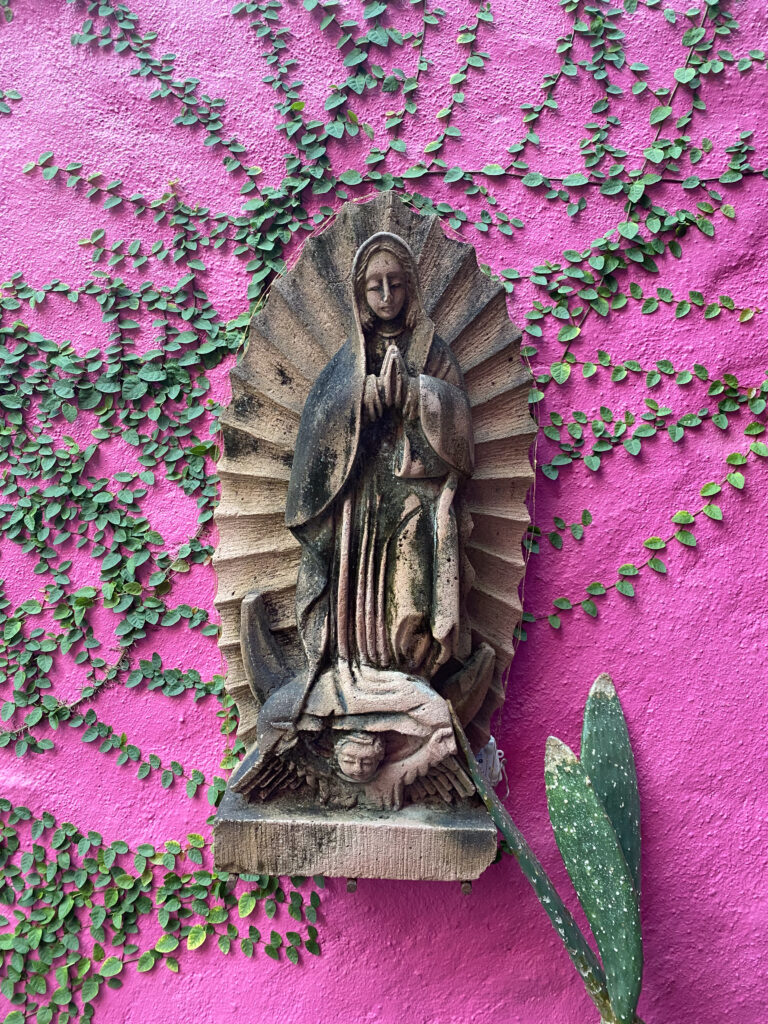
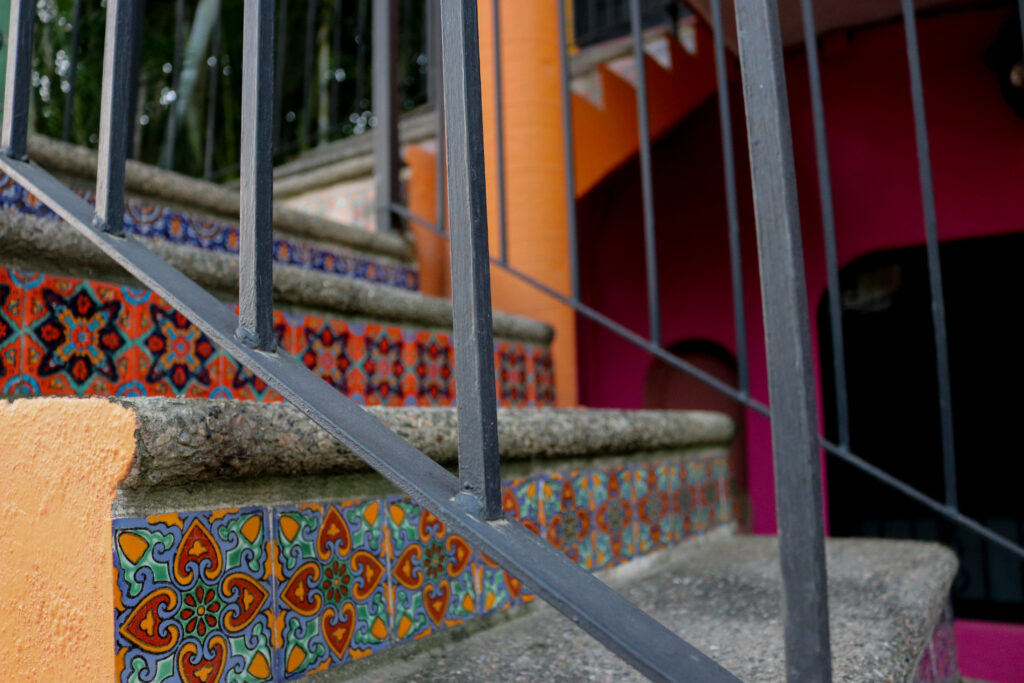
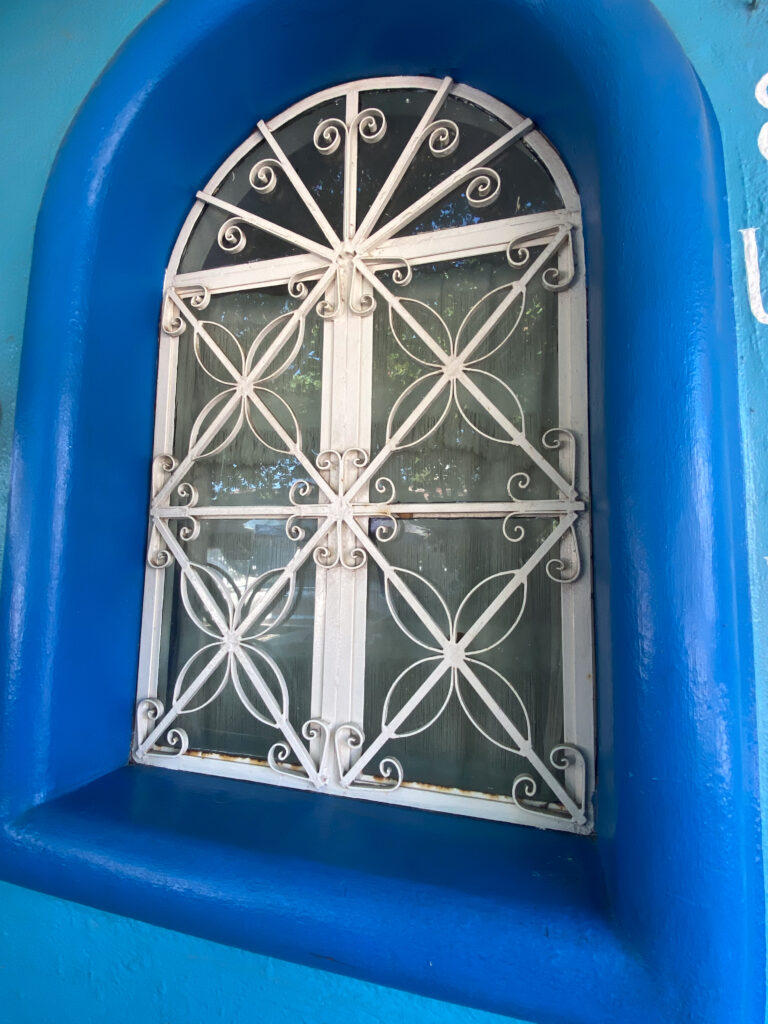
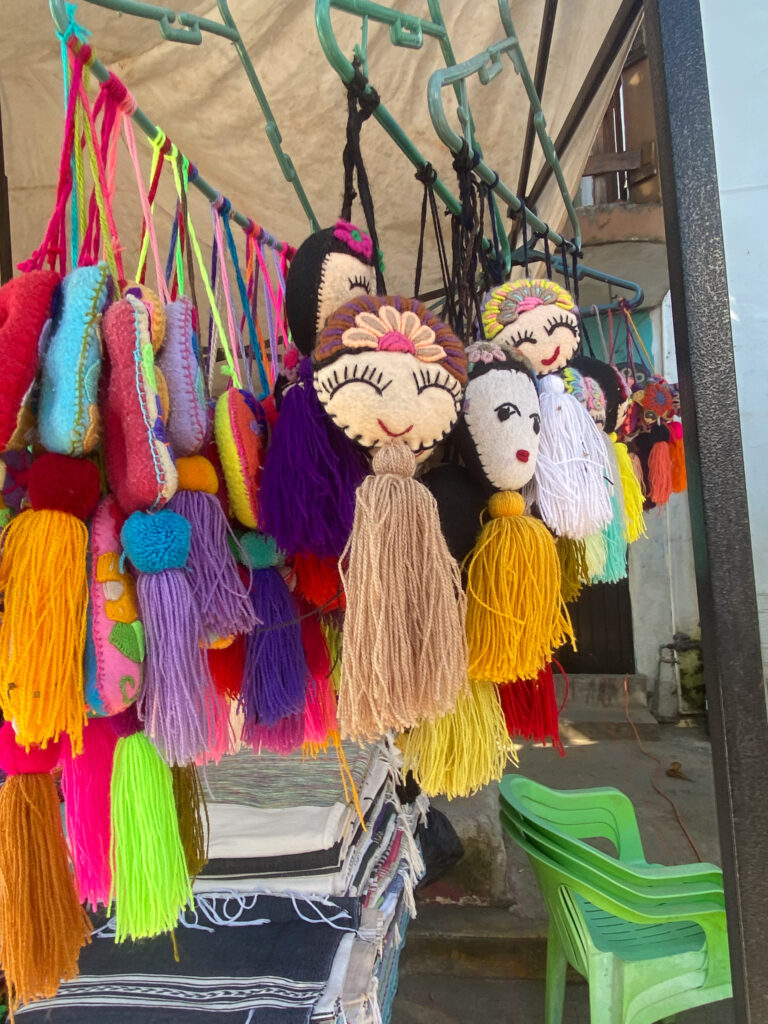
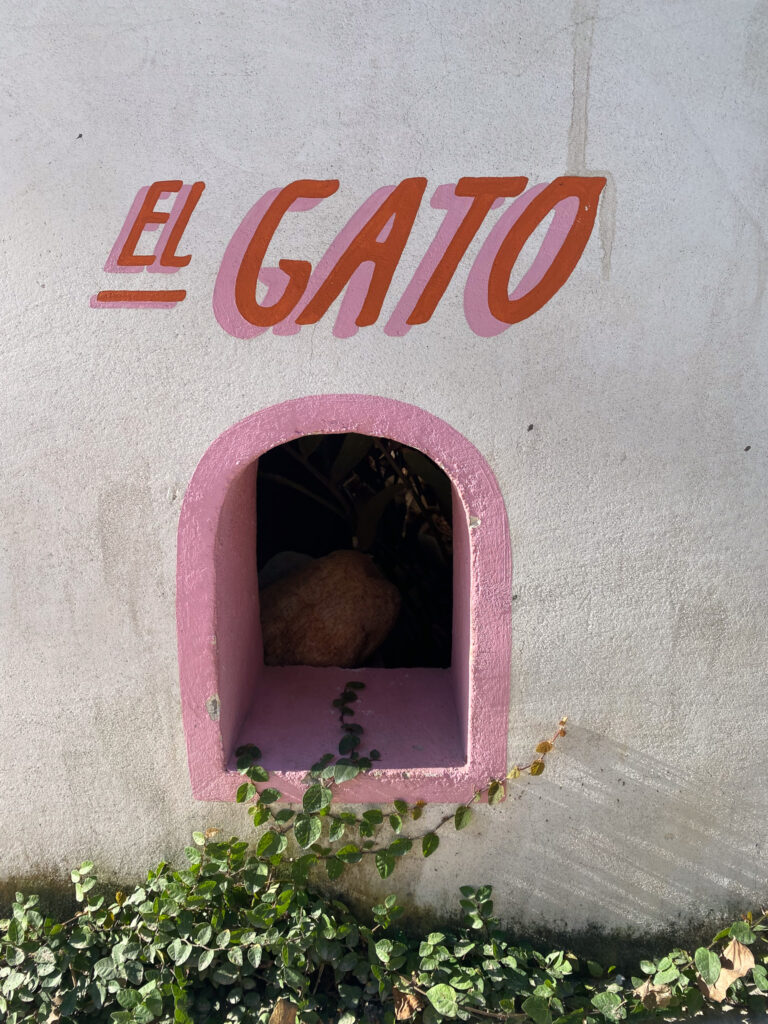
    Colors of San Pancho
    Getting there

    From Puerta Vallarta Airport, you can take a taxi.  The cost was $125 or $2,500 pesos. If you want to pay be credit card, you can pay before you get into the taxi line.  There are plenty of people asking you if you want a taxi and will take you to the booth to pay.  If you want to pay cash, you can just get in the taxi line. You will stop on the way out of the airport and will need to pay then.  Tips are encouraged.  Uber and Lyft are now allowed on the airport but if you’re willing to walk, there is a bridge that will take you off the airport property.

    Room Accommodations

    As indicated, there is Tierra Tropical Beach Club with a more resort atmosphere but I prefer the smaller hotels. The place I said, Hotel San Pancho was quaint, had large airconditioned rooms, a small pool and breakfast each day.  The staff was friendly and sweet.  Some other places to consider are Hotel Palmar, Hotel Mari and Hotel Cielo Rojo, all of which are close to the downtown.

    Restaurants

    Surprising enough, Mexican food is not the main staple in San Pancho. One night, we had lasagna and another pizza.  There are also some restaurants right on the beach to choose from.  Consistently, my wine was not great with the exception of Tierra Tropical Beach Club, where both the food and drink was excellent. In the high season, you’ll need a reservation.

    Beach

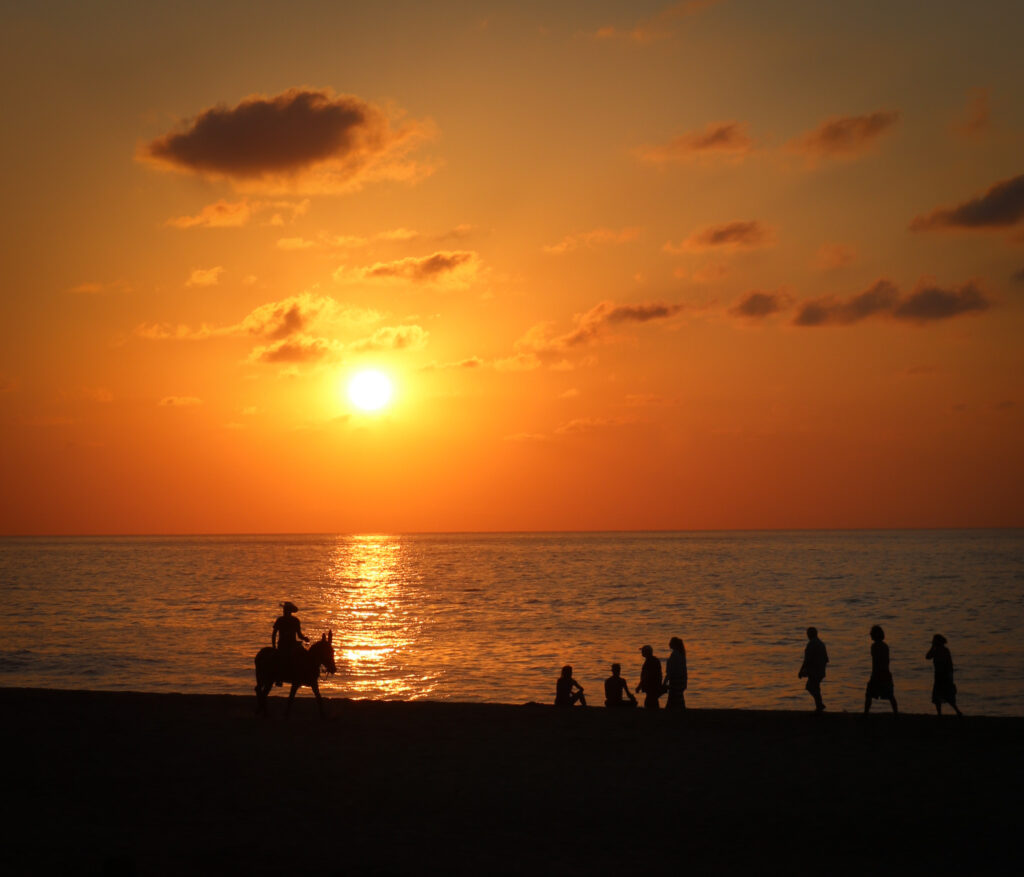
    In San Pancho, surfing is a big thing along with swimming in the water.  Surf lessons are available. When I was there in October, the waves and surge were strong.  I went in to tip my toes but didn’t feel like I was a strong enough swimmer to do much more.  For us sideliners, there are plenty of umbrellas to rent for the day that will also provide you food and drinks.  Lastly, for sunset, everyone comes out to enjoy the final rays, so. Bring a towel and be prepared to clap when that last spec of sun disappears into the ocean.

    Shopping

    While there isn’t a lot of stores, there are enough.  Most sell clothing and I didn’t find the prices less than what I could find at home.  There are also street vendors ever where selling small touristy items.
    Other Things to do

    Circus

    San Pancho is beneficiary to co-founder Giles Ste-Croix and his wife Monique Voyer who started Cirque Du Soleil a non-profit dedicated to helping children through circus arts.  Circo de los Ninos has more than 140 children enrolled. They will present shows so it’s best to check out the schedule to see if you’re lucky enough to be there when there is a show.

    Music

    San Pancho also has large music scene and there are plenty of places to check out to see various locals play. There also a few art galleries that show local artist along with Huichol (Native Indian) handicrafts.

    Polo

    La Patrona Polo Club is located in San Pancho. You can learn to play polo, take a horseback ride or enjoy a polo match.  Additionally, day passes can be purchased to take advantage of the pool and beach facilities.  I wanted to watch a polo match but was there a week too early.

    Turtle Releases

    The one thing I will definably go back for is to participate in a turtle release.  They are non-profits in both San Pancho and Sayulita.  You need to follow them on Facebook to see when releases are happening.  They will post something the day of the release.

    Sayulita

    Lastly, if you are feeling a little too laid back, a trip to Sayulita might be in order.  You can take a taxi that takes about 20 minutes to get to the larger city of Sayulita.  Its more touristy, and frankly, I enjoyed San Pancho so much, Sayulita felt too busy for me but if you want more of a party atmosphere and greater nightlife, this might be the place for you.
  • Riverside, California Travel Guide: Why This Inland Gem Is Perfect for a Weekend Getaway

    Riverside, California Travel Guide: Why This Inland Gem Is Perfect for a Weekend Getaway

    Nestled in the heart of Riverside, this vibrant Inland Southern California city is more than just a place to live—it’s a destination worth exploring. Having called Riverside home since childhood, attending University of California, Riverside, and working for the city itself, I’ve experienced firsthand what makes this community so special.

    Riverside blends rich history, scenic beauty, and a growing food and culture scene, making it an ideal spot for a weekend getaway. Whether you’re strolling through historic neighborhoods, discovering local attractions, or enjoying the laid-back Southern California vibe, Riverside offers something for everyone.

    If you’re looking for a unique, under-the-radar California destination, Riverside deserves a spot on your travel list.

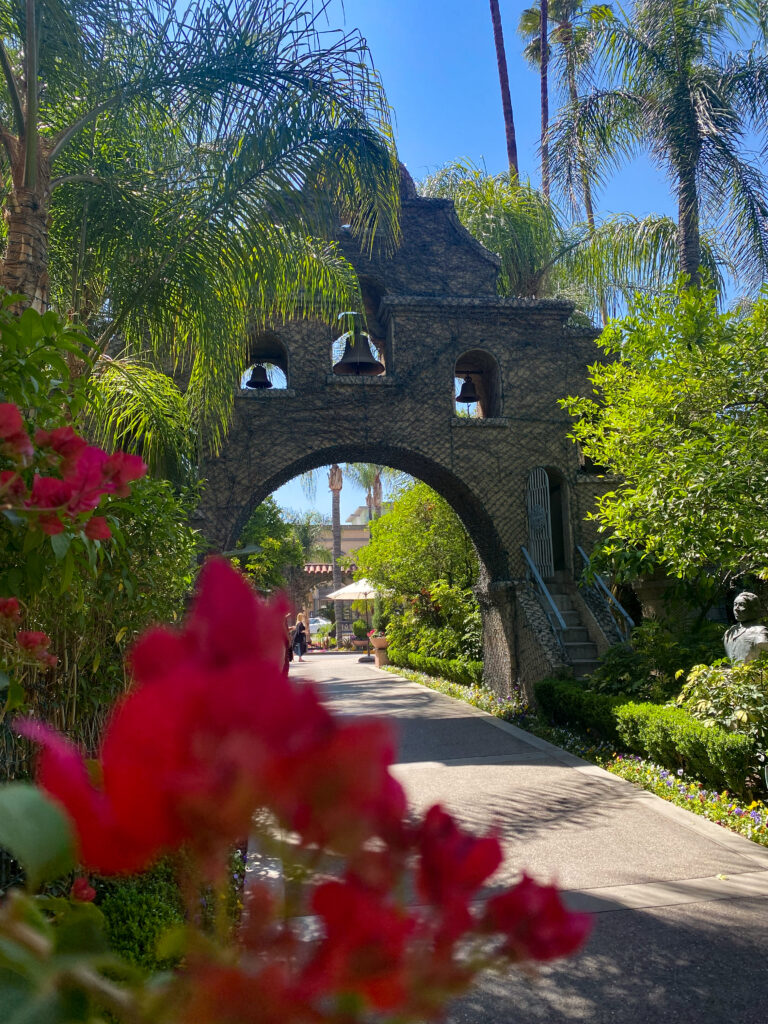
    Downtown Riverside is famous for the Mission Inn Hotel and Spa.  It’s always been an inn and never was a mission.  It was built in 1903. What started out as Glenwood Tavern has grown into an AAA Four Diamond hotel and spa.  Presidents have been married there (Nixon), honeymooned at the hotel (Regan) and just visited.  It’s one of the first places that Arnold visited when he became the Governator of California.

    Adding to the history, are the many large iron bells including one of the oldest bells in Christendom dating back to A.D. 1247. (You can find it in the lobby next to the concierge desk.)

    Many famous writers have stayed at the Inn including Ann Rice who used the setting for her book Angel Time.   Harry Houdini, Amelia Earhart, Bette Davis, Clark GableCary Grant and Barbra Streisand along with Raquel WelchDrew Barrymore, Bob Hope and Tears for Fears (whew) are just a few of the celebrities who have stayed here.

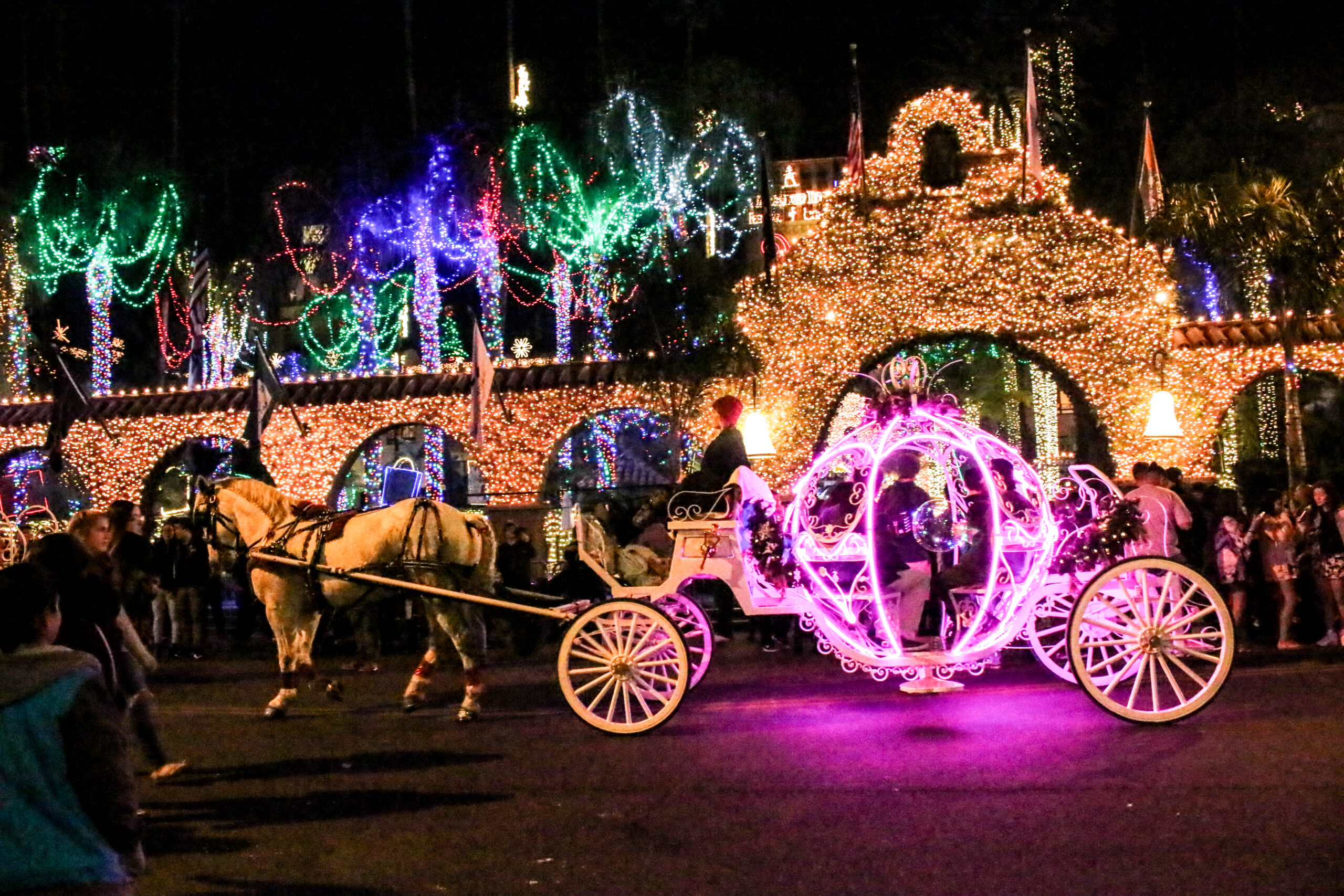
    In early September, workers start putting up the more than 4.5 million twinkling lights that will be shining brightly along with 200 animated figurines singing Christmas carols the day after Thanksgiving until early January.  Truly, the place gives Vegas a run for its money and the local utility company loves it. 

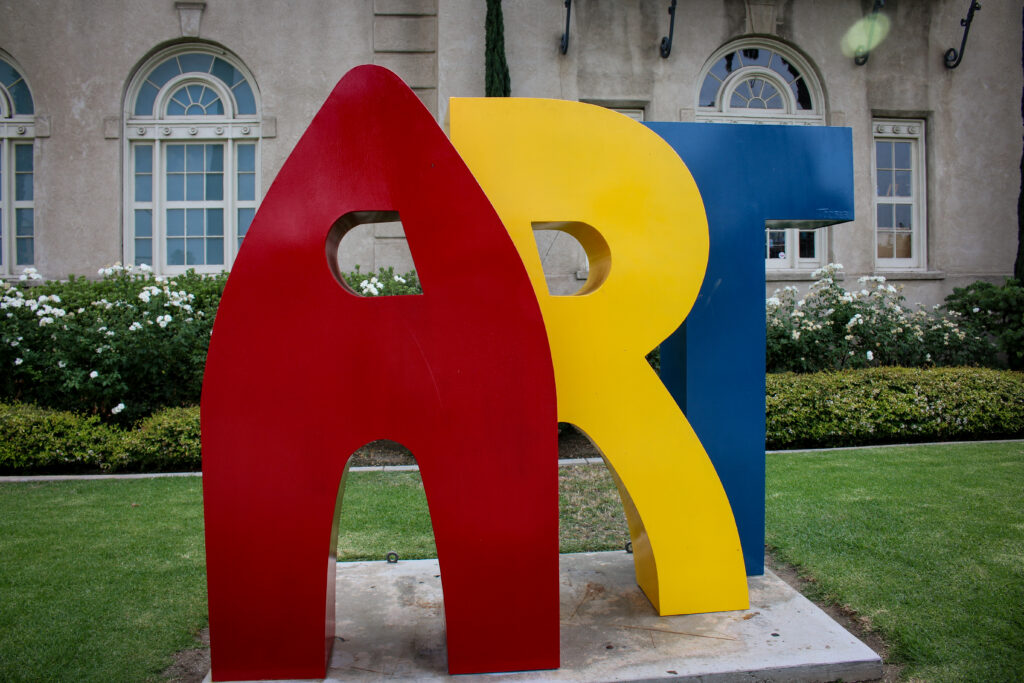
    Next door is the Cheech Marin Center for Chicano Art & Culture. The center is focused on the exhibition and study of Chicano art from across the United States. This is a collaborative effort between Cheech Marin, the City of Riverside and Riverside Art Museum. 

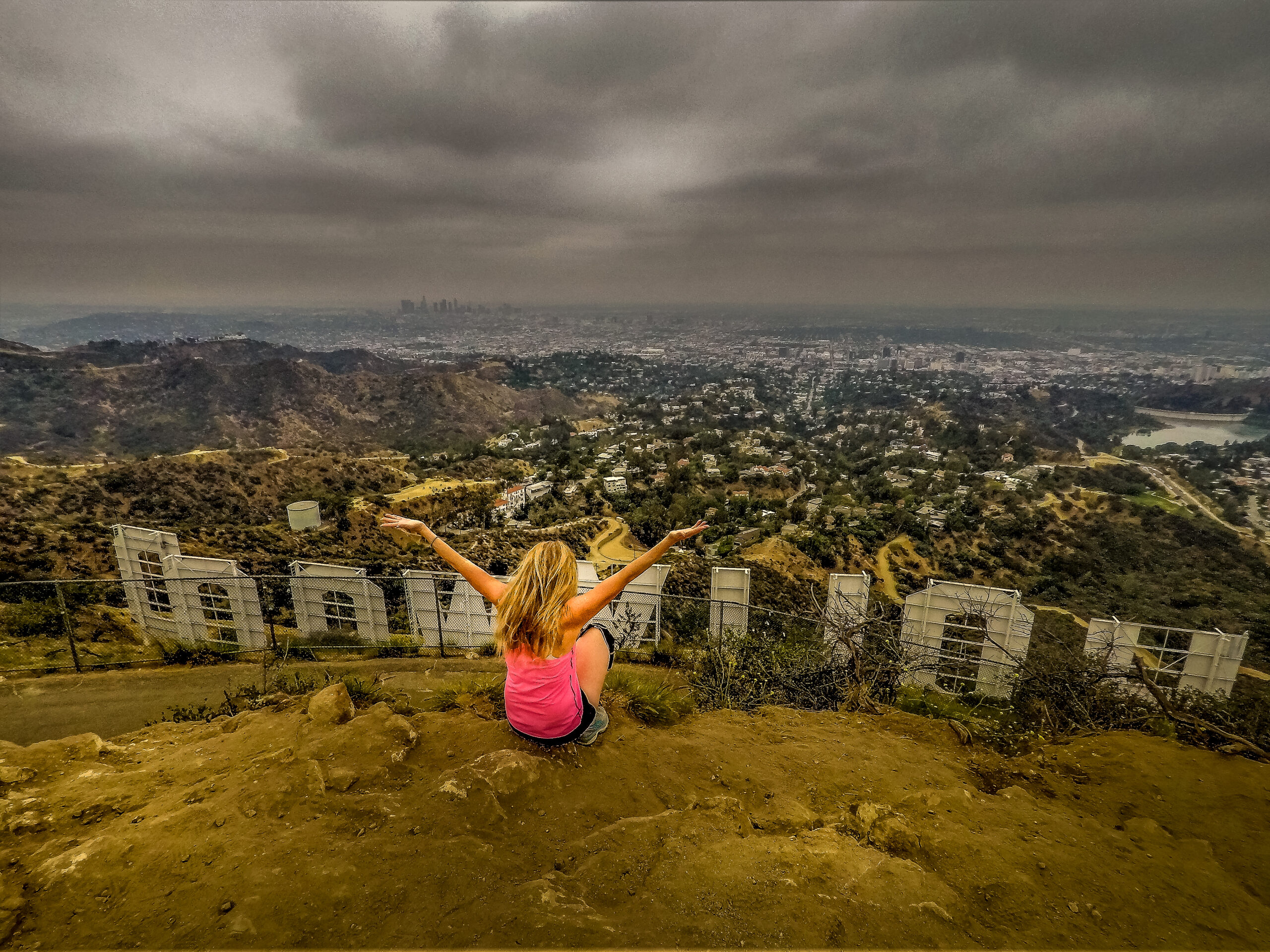
    So what else is there to do?  Well, if you’re an early morning riser, I would suggest a walk up Mt. Rubidoux.  You can see the mountain from Downtown and the walk is up but not extremely strenuous.  If someone is dropping you off, you can access the path from the top of 9th Street.  If you need to park, plan on using the parking lot at Ryan Bonaminio Park located at 5000 Tequesquite Ave.  The walk is a total of 3 (or so) miles.

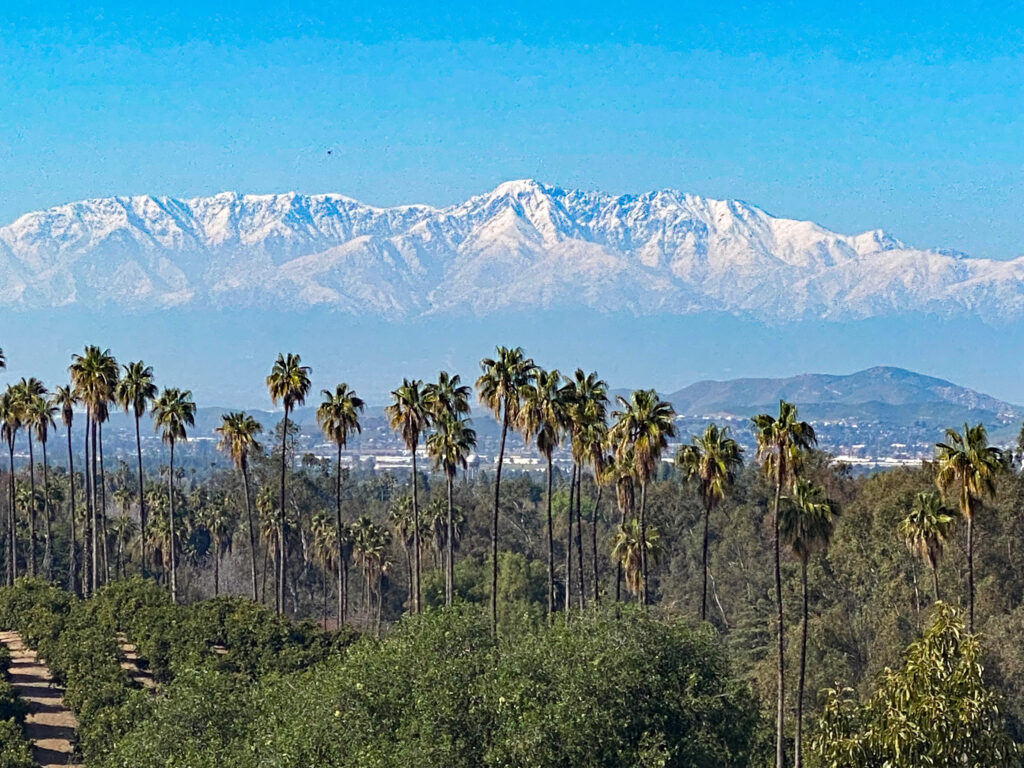
    If you rather take the longer, easier way up, veer to the right when the trail splits.  The trail to the left is shorter but also steeper.  From the top, you can see all of Riverside and on a clear day, the San Gabriel Mountains.

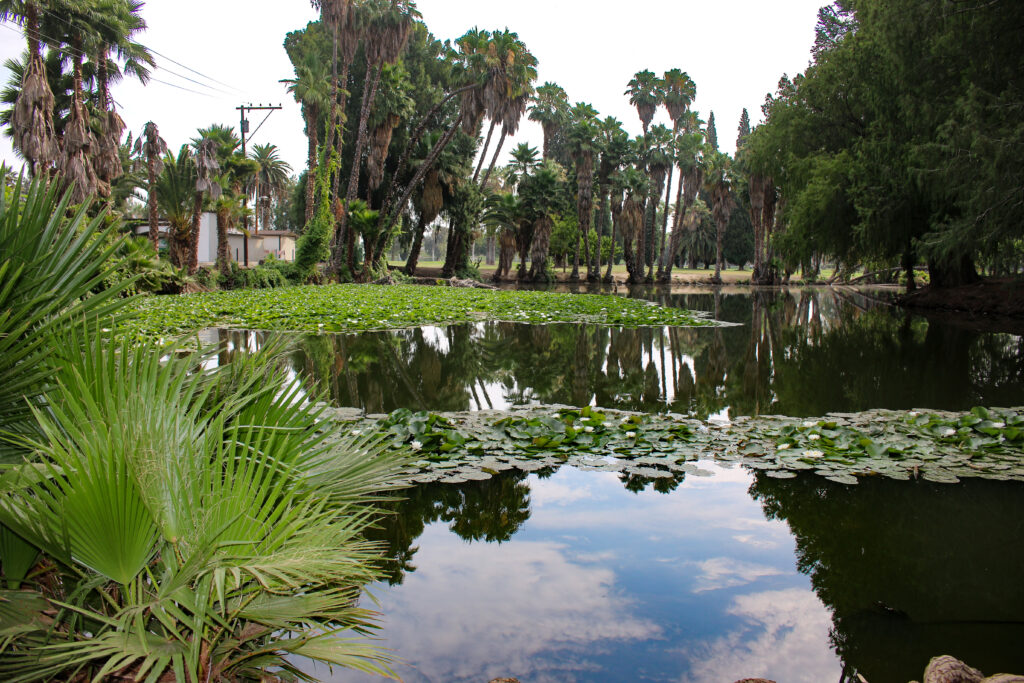
    Also, near the Downtown is Fairmount Park.  The park was designed by the same firm who designed Central Park in New York and you can see similarities with a large lake, boat house, rose garden and trails that meander throughout. 

    If you are planning on a weekend, you might want to see what’s playing at the Fox Theater.  This icon premiered Gone with the Wind in 1939.  Nowadays, you can see people like George Thorogood, Jerry Seinfeld and Mannheim Steamroller.

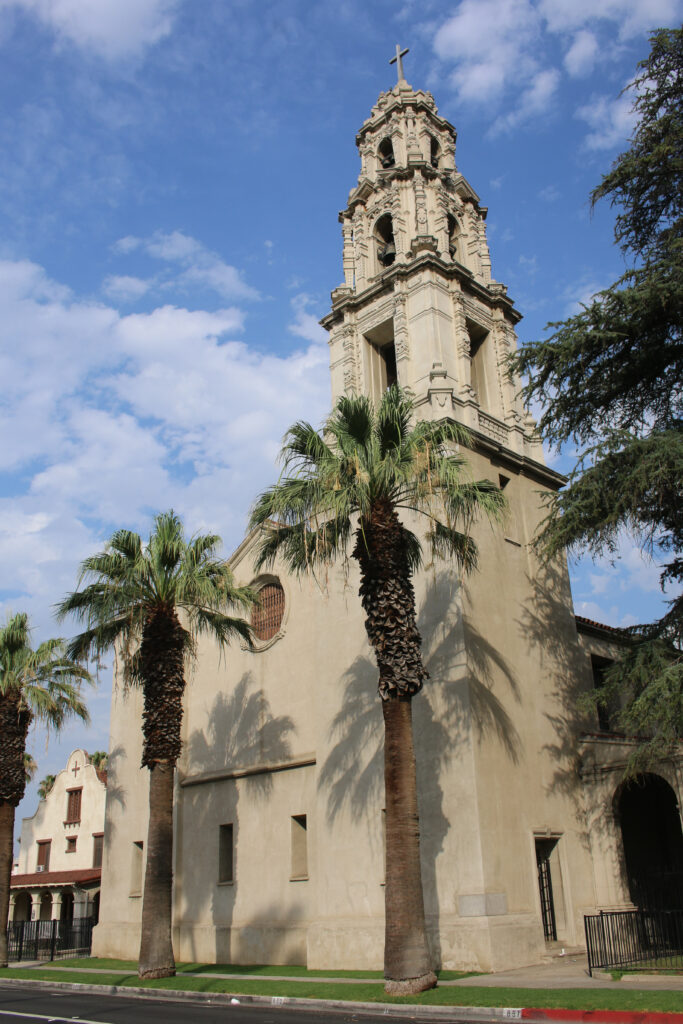
    There are also three (if you count the Mission Inn Museum) in Downtown.  These in the Riverside Metropolitan Museum and the Riverside Art Museum.  The all have various exhibits and displays.  In Downtown, the architecture is beautiful with building well over 100 years old, including the Riverside Courthouse and churches.

    If you’re a foodie, there are a number of places within walking distance of the Mission Inn to eat including a few within the Inn Duane’s is a high end steakhouse and Los Campanas offers delicious Mexican food along with huge margaritas.  My favorite place by far is Mario’s Place.  It’s across the street on Mission Inn Avenue and offers Italian cuisine.  Their wine list is extensive and I usually just ask the wait staff for their suggestion.  I will often just sit at the bar with a glass of red wine, a Leone salad (named after the founder and to die for) along with calamari, the best I’ve ever had.

    Additionally, there is the local’s bar with music during the weekends- Lake Alice Trading Company (bar food) one block down;, Mezcal Cantina y Cocina (Mexican  and an extensive Tequila list), to the west on the Main Street Mall near 8th Street;  ProAbition (Whiskey, bar food, outdoor seating and weekend music)- go east on the Main Street Mall toward 6th Street.  For breakfast and lunch, I like Simple Simon’s on the Main Street Mall between Mission Inn Ave. and 6th Street.  My standby for eating there is the spinach stuffed croissant and tarragon chicken salad.  Lastly, the Mission Inn also has an expensive but amazing Sunday brunch.  Yum.  Bon Appetit!

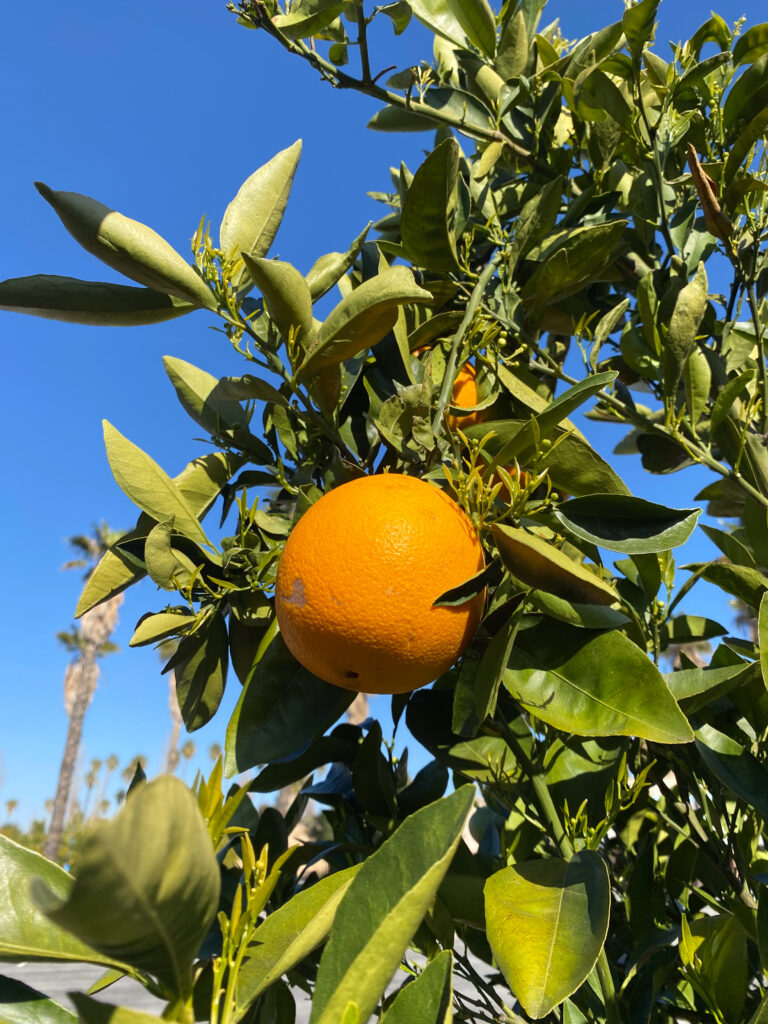
    Lastly, Riverside’s wealth was built in the early 1900s on the Navel Orange and citrus industry when Eliza Tibbets brought three Navel Orange trees from Brazil. For this reason, the Citrus Heritage Park is in Riverside. Can you walk around the park and enjoy the 250 acres of citrus groves.

  • Arizona & Utah Road Trip Guide: National Parks, Antelope Canyon & Scenic Desert Views – No Filter Required

    Arizona & Utah Road Trip Guide: National Parks, Antelope Canyon & Scenic Desert Views – No Filter Required

    If you love outdoor adventures—hiking through streams, chasing waterfalls, wandering among pine trees and cactus, and taking in sweeping desert panoramas—then Northern Arizona and Southern Utah should be at the top of your travel list. From vibrant red rock landscapes to dramatic canyon views, this region offers some of the most photogenic scenery in the American Southwest—no filter required.

    The area is packed with world-famous national parks and natural wonders, each with its own unique beauty. Whether you’re planning a scenic road trip, a hiking getaway, or a photography-focused adventure, destinations like Grand Canyon National Park, Zion National Park, and Bryce Canyon National Park offer unforgettable experiences. Add in iconic stops like Antelope Canyon and Horseshoe Bend, and you’ve got the perfect mix of adventure, relaxation, and jaw-dropping views.

    Below is an overview of some of the best places to visit in Northern Arizona and Southern Utah to help you plan your route and make the most of your trip.

    They are out of order but I’ve included a driving map to lead the way. 

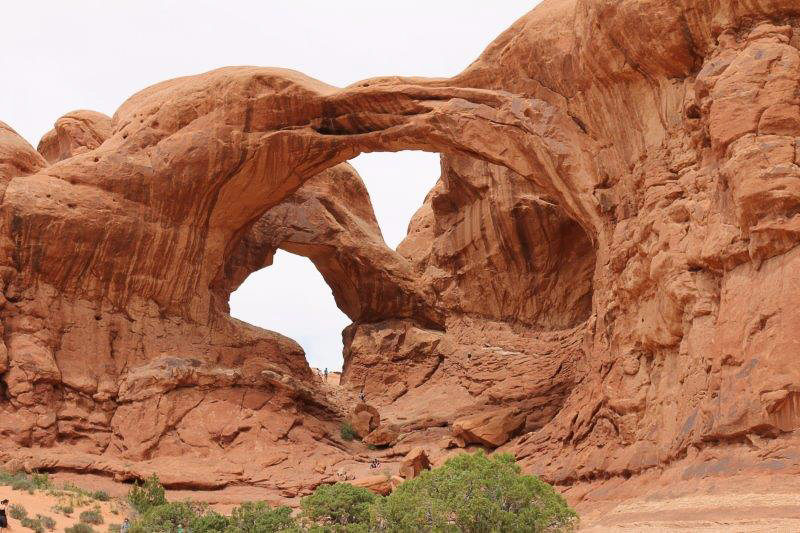
    Arches National Park: Arches is aptly named for its overabundance of rock arches, in fact the Park has more than 2,000 of them.  Within Devils Garden, spans Landscape Arch, which is the longest arch in North America extending 306 feet.  At its narrowest spot, it is only 6 feet in diameter. Double Arch is also worth a stop.  It soars 112 feet above ground and is 144 feet across. In Arches, there is a road that traverses through the park with many places to park along the way and walks that are easily accomplished by beginner and those with children.  More challenging hikes are also throughout the park and lead to some of the lesser visited arches. Stop by the Ranger Station ahead of time to pick up a pamphlet.  Camping is available but fills up quick.

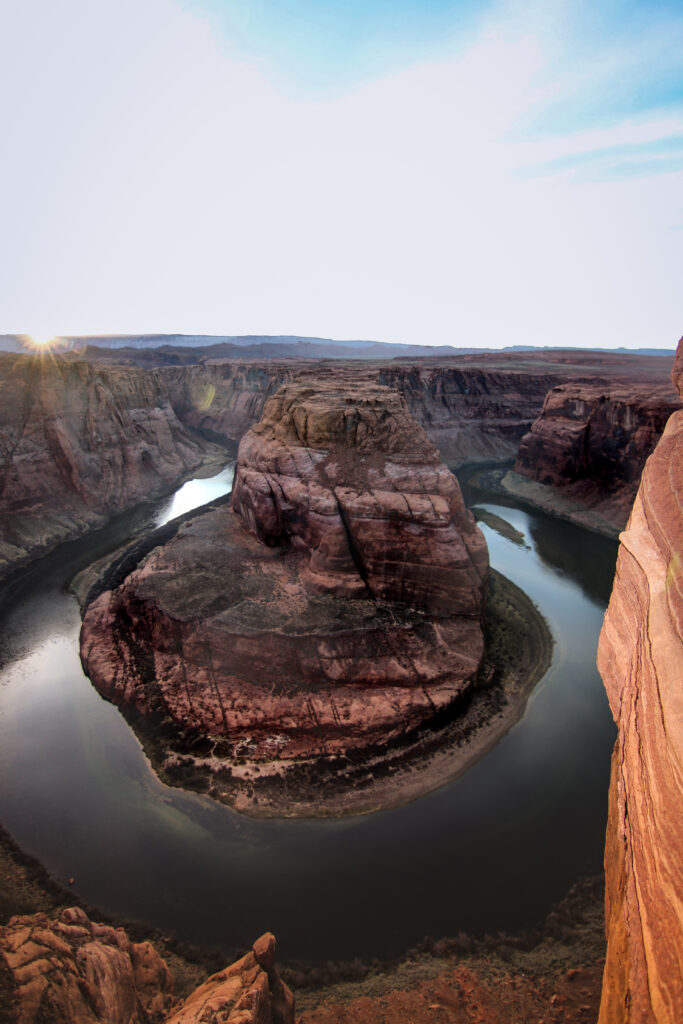
    Antelope Canyon and Horseshoe Bend: I visited Antelope Canyon five years ago and it was crowded but not crazy.  We went again last month, and that has changed.  It’s testament to social media’s influence.  Having said that, both are still worth a visit but be patient. There are people everywhere.  These sites are located in Page, Arizona, along the Colorado River and near Lake Powell.  Page was a sleepy little town but no longer.  There are plenty of hotels to choice from and some decent restaurants.  My favorite is a Mexican place called El Tapatio.  The service and atmosphere is terrific and the food good. Horseshoe Bend is where the Colorado River makes a U-turn around an outcropping of rocks.  We went during sunset but I think sunrise is probably less crowed.  There is a parking lot with bathrooms and the walk to the Bend is short, about 1.5 miles round trip.  

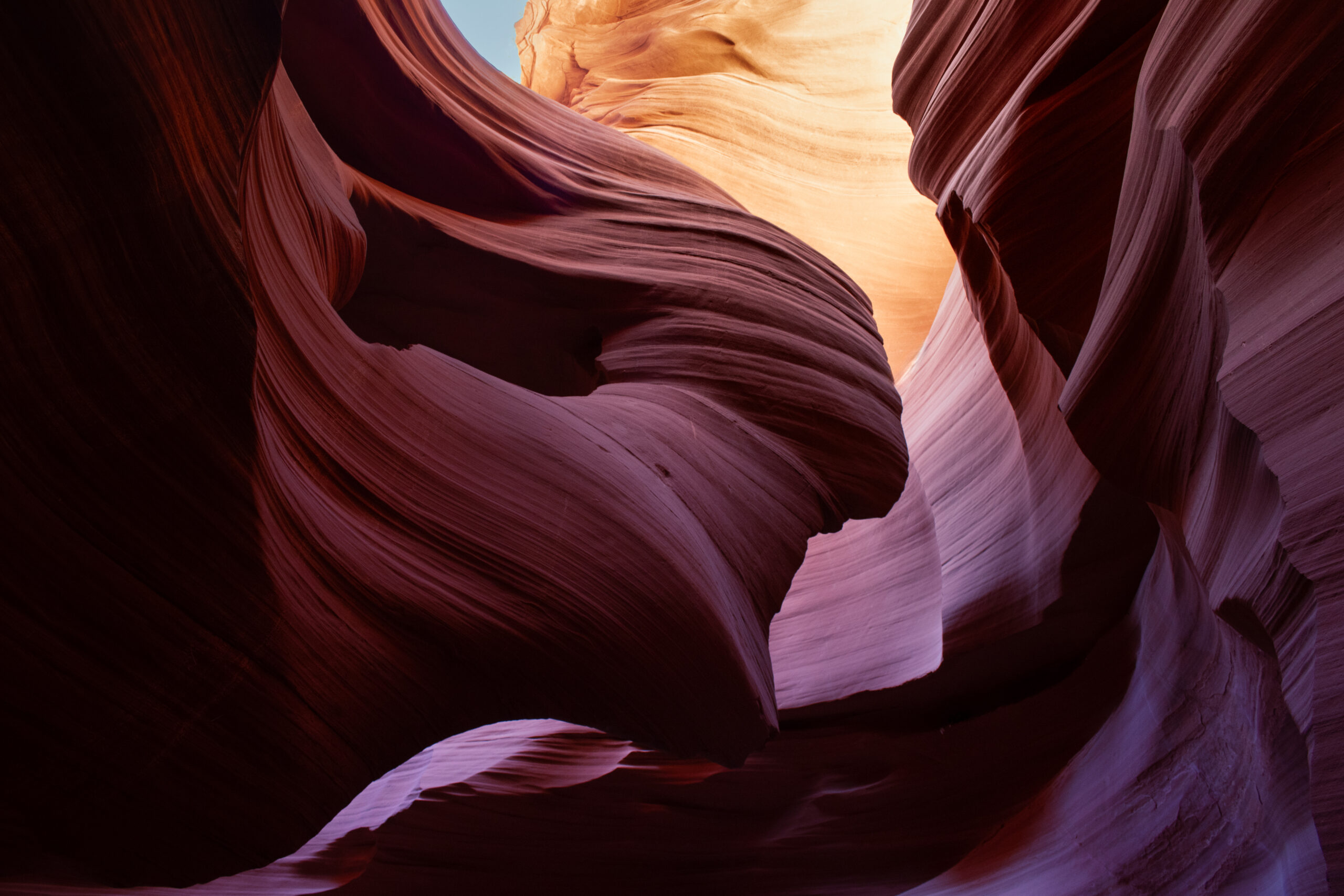
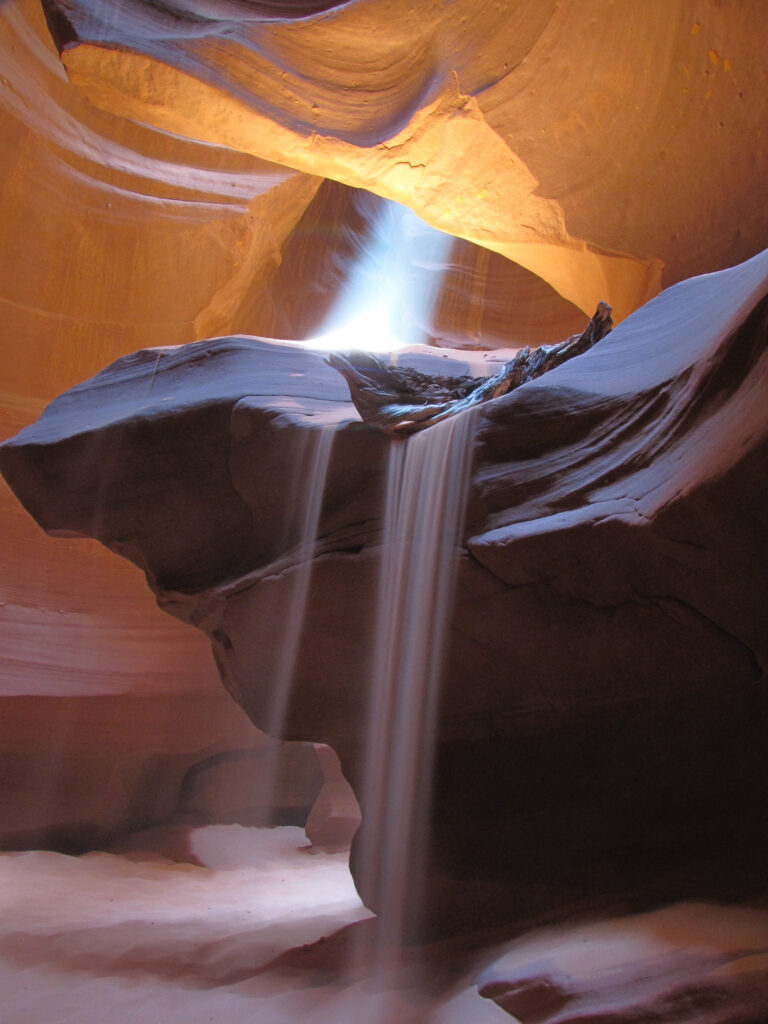
    Antelope Valley has been made famous because of its two canyons that are divided into Upper Antelope and Lower Antelope Canyon.  The colors of the sandstone rocks are orange and brown but a camera will change the colors depending upon how much light is hitting them, bright yellows for those with more light and deep purple for those in the shadows. Antelope Canyon is located on Navajo Indian land so you have to purchase a tour ticket to see them.  I suggest you do this before you leave because they do sell out.  There are a number of tour companies that are generally ran by just a few families.

    In Upper Antelope Canyon, rays of sun shine through the rocks creating beams of light that are particularly cool.  For this reason, we spend the extra money to do a photo tour of Upper Antelope Canyon. You need a DSL camera and you can take your tripod.  The guide will help you with the correct camera settings and making sure people don’t walk through your photo. They also know the exact time when the sun will shine through the rocks and will throw sand into the light beam making it more prominent on your photos. For this tour, you will take a short ride to site and then walk through the Canyon.

    The Lower Canyon offers tours too but because of the number of people and the ladders to go in, out and through the Canyon, tripods and backpacks are not allowed.  Our guide told us around 2,000 people a day go through Lower Antelope so expect lines and crowds.  Luckily, if you’re a photobug like me, you’re shooting up the entire time so you can easily crop people out.  Ask the guides ahead of time to set your camera, this works even if you’re shooting with a cell phone. 

    Note: Most tours require cash so be prepared. 

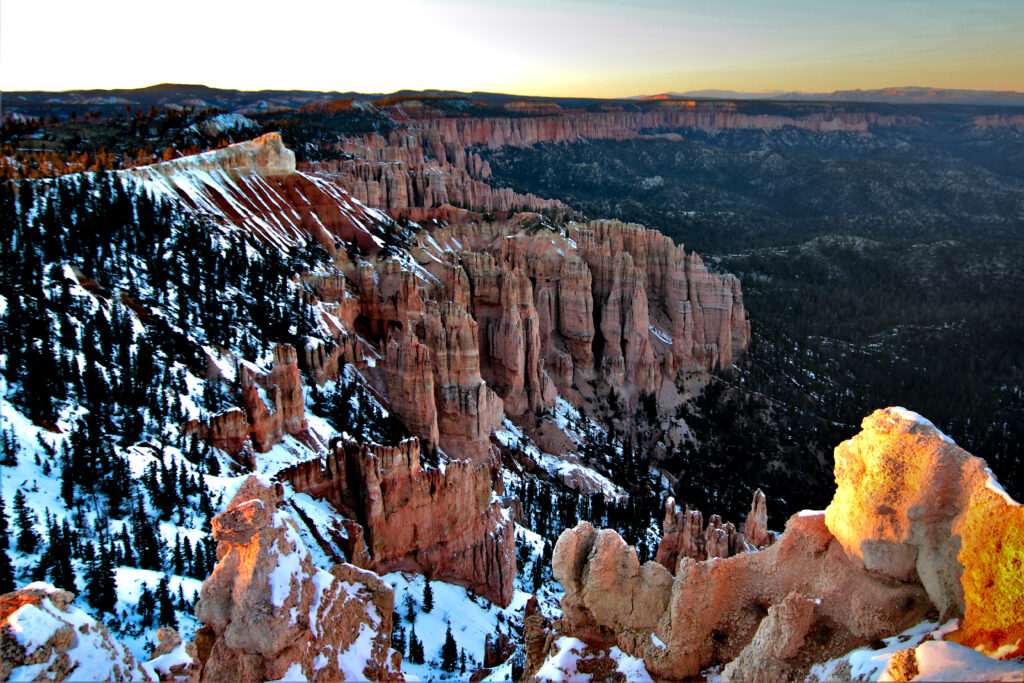
    Bryce Canyon:  Bryce Canyon has orange, white and red pinnacles called Hoodoos that soar throughout the park. If fact, Bryce has the largest collection of Hoodoos in the world.  In the winter, the Canyon often showcases a dusting of snow and it can get quite cold.  There is hiking, camping and a road that winds through it teasing you with a number of lookouts.    

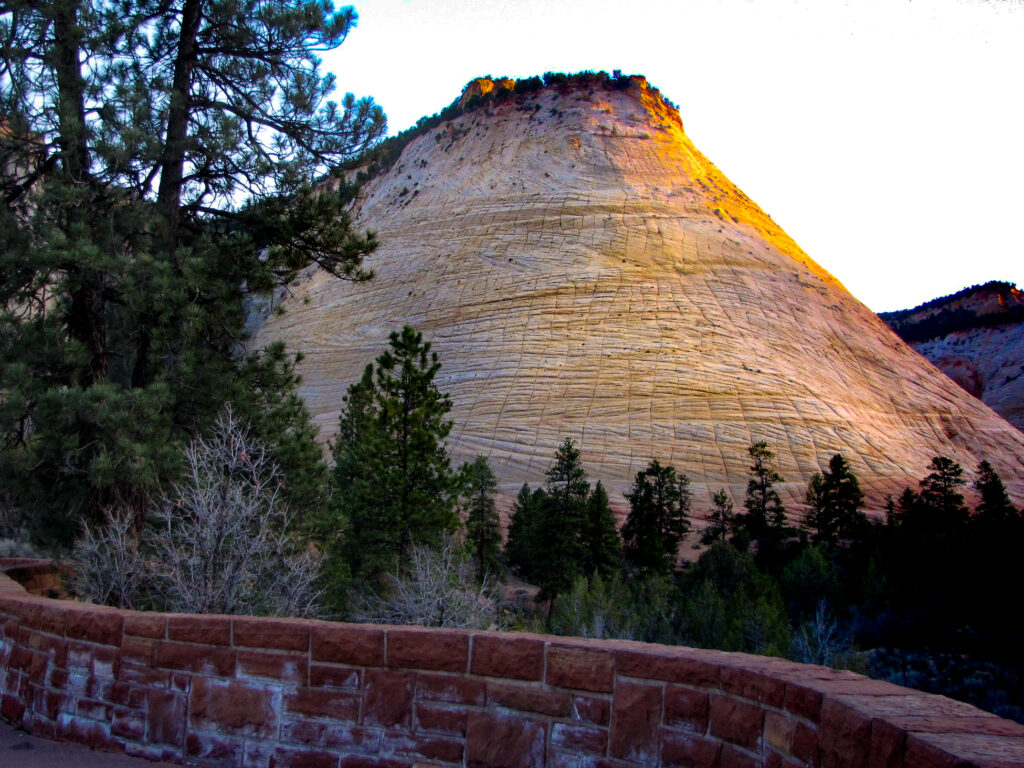
    Zion Canyon: Zion Canyon is one of my favorite National Parks.  It doesn’t have the colors of some of the other locations but its green, has a river and pine trees. You have to see the Great White Throne and Checkerboard Mesa.  We camped a few times here when I was a kid and I always have loved hiking through the woods and along the river. During peak season, you will need to park your car and ride the shuttle bus through the park. The shuttle buses are free and make many stops along the way.  You can hop on and hop off as you like taking hikes in between.  

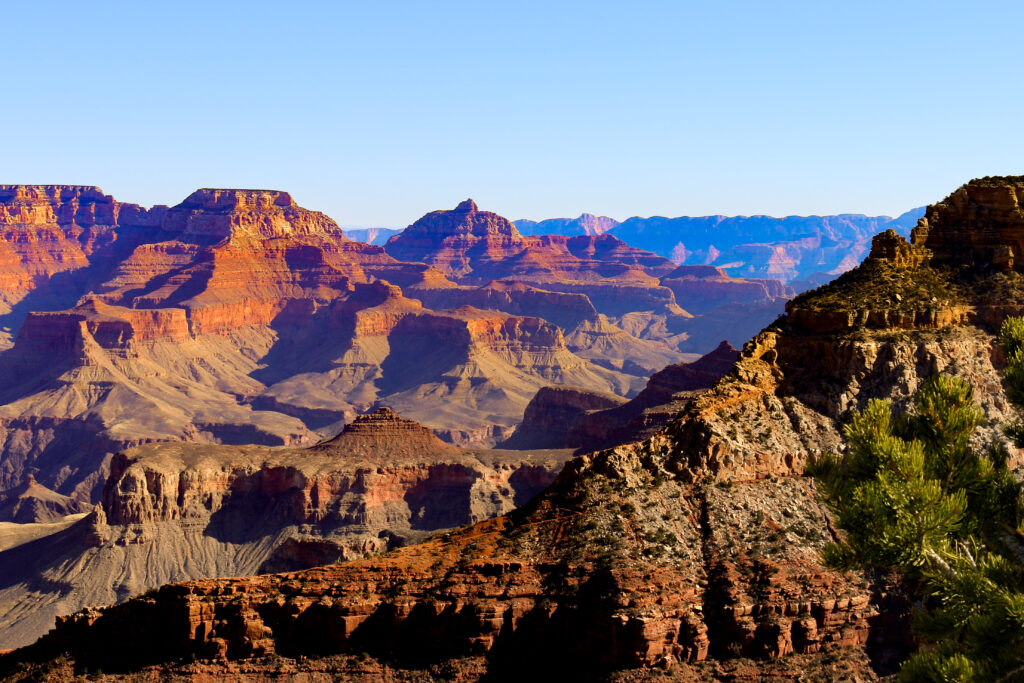
    Grand Canyon: Of course the Grand Canyon is the mother of all of the National Parks in this area and there are a number of ways to see it.  You can hike the Canyon both along the rim and at the bottom.  You can raft down the river (generally, you need to make reservations a year in advance for this), see it by train via Williams, Arizona, or drive through and stop along the way.  I’ve driven along the south side stopping and taking short hikes which are always fun and also taken the train from Williams to the Canyon for the day. No matter which you choose, the Grand Canyon is awe inspiring and literal took my breath away the first time I saw it.

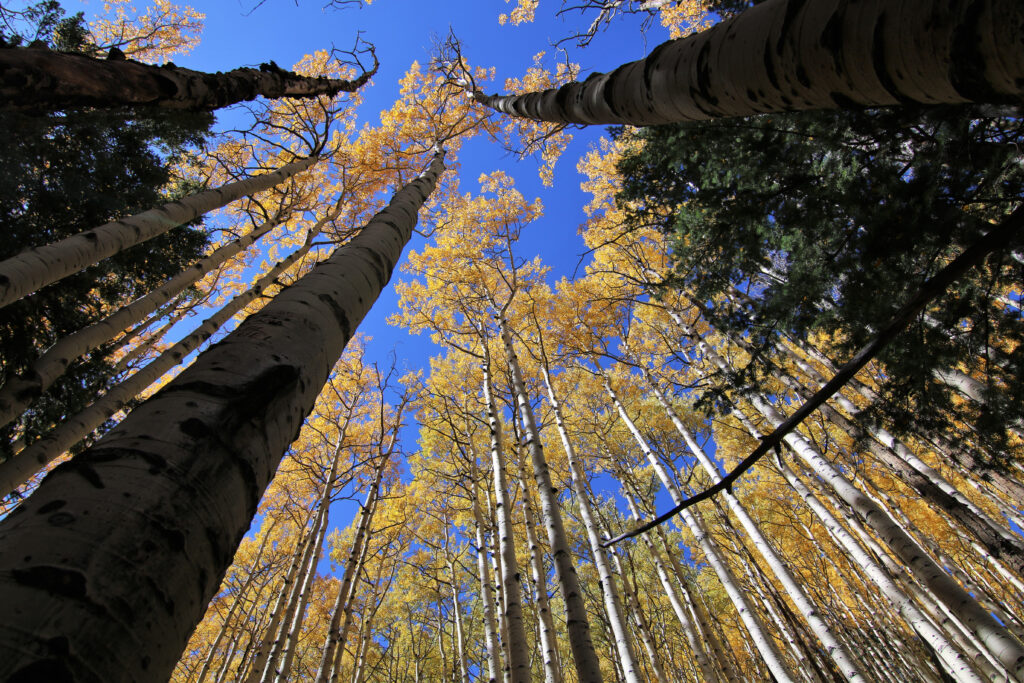
    Flagstaff: You can’t write an article about this area without mentioning Flagstaff.  We always stay here along the route.  Flag, as the locals call it, has a quaint downtown with delicious food and a variety of hotels.  Last time we drove though, we stayed at the Hilton Garden Inn.  The hotel has a fireplace and cozy furniture so we ended up not leaving for dinner and just staying here reading in the lobby and getting dinner at the bar.  Another local restaurant I love in Flagstaff is Black Bart’s Steakhouse.  It’s a restaurant that caters to tourist but unlike other tourist restaurants, the food here is really good here. They have waiters and waitress that sing on stage in between serving your food.  A lot of them go to the local university and are really good. During the fall, Flagstaff has bright, yellow Aspens that dot the hills and it’s known for its skiing and snowboarding.

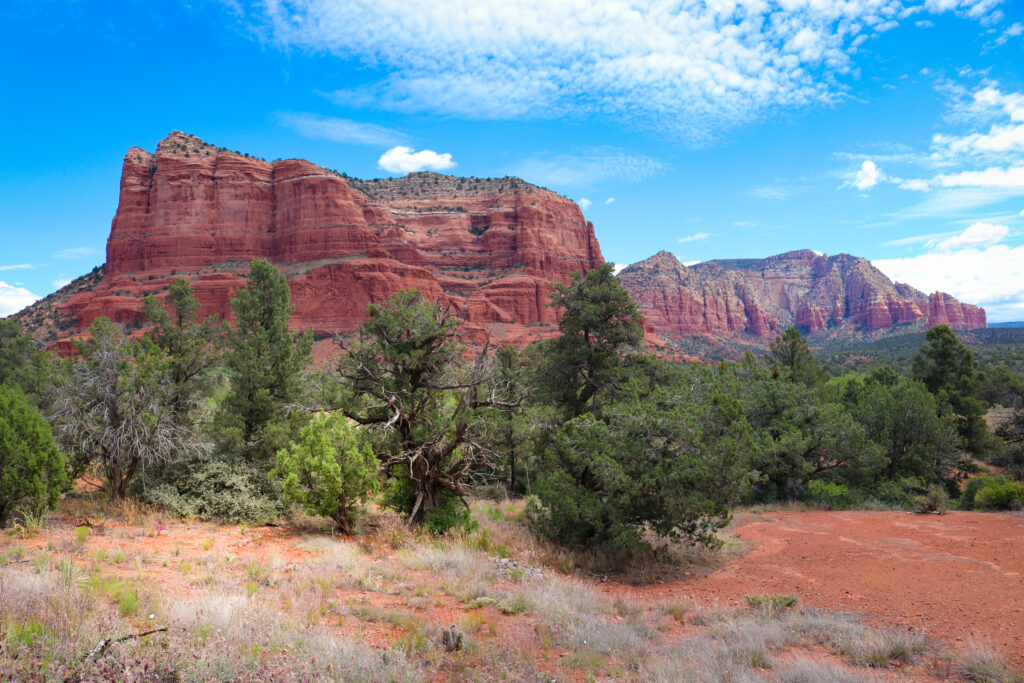
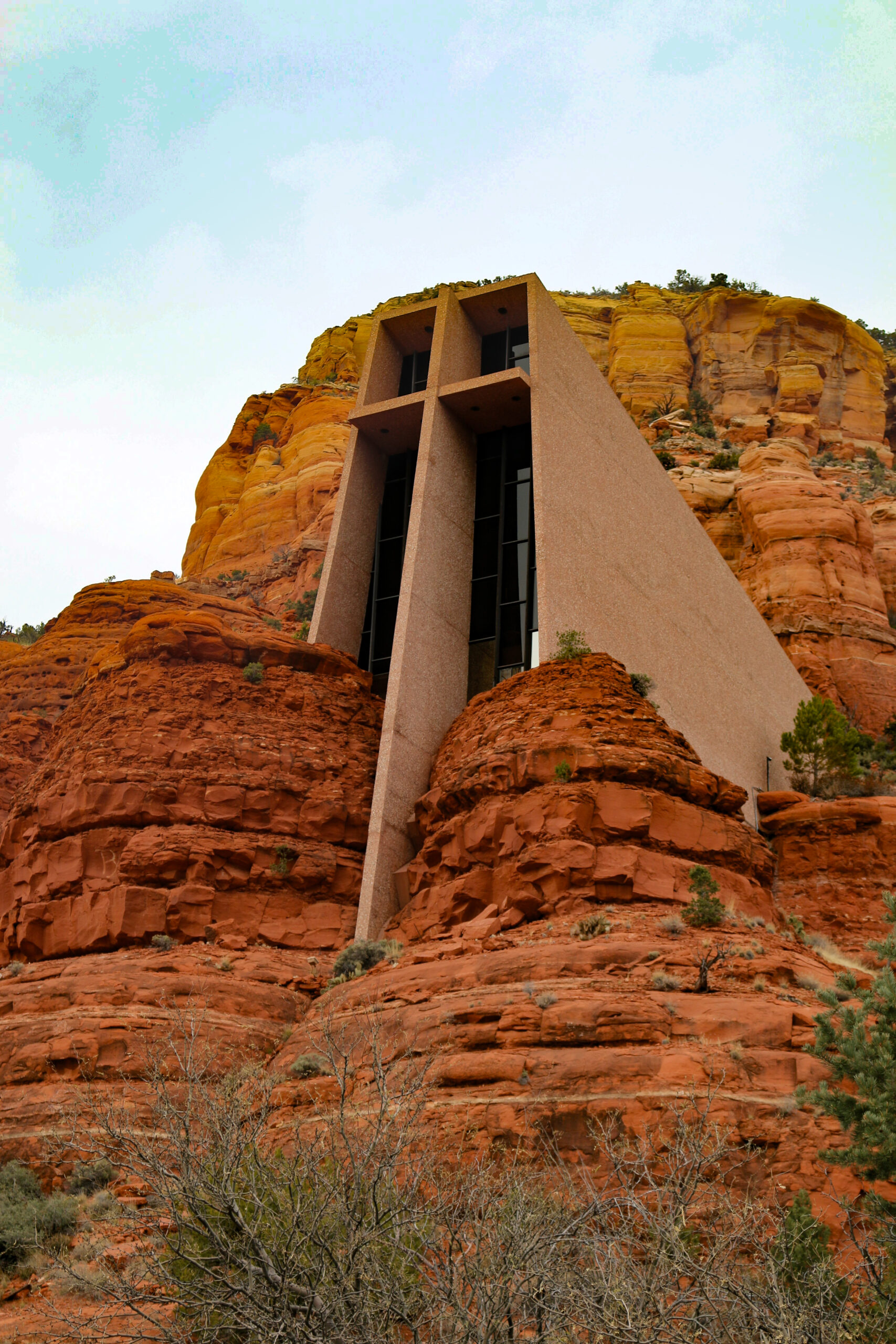
    Sedona: Sedona is the gateway to northern Arizona and southern Utah.  Here the red rocks start to pop out of the ground giving you a glimpse of the beauty to come.  People go to the Mesa Sedona Airport to view the sunset.  It costs $3 to park but worth the view as you look down upon the town.  Another place to visit here is the Chapel of the Holy Cross built in the side of the hill in 1956, the Chapel hangs over the cliff and you can walk through it.  Additionally, Sedona has hiking trails and you can take jeep tours through the area.  There are two state parks, Red Rock and Slide Rock.

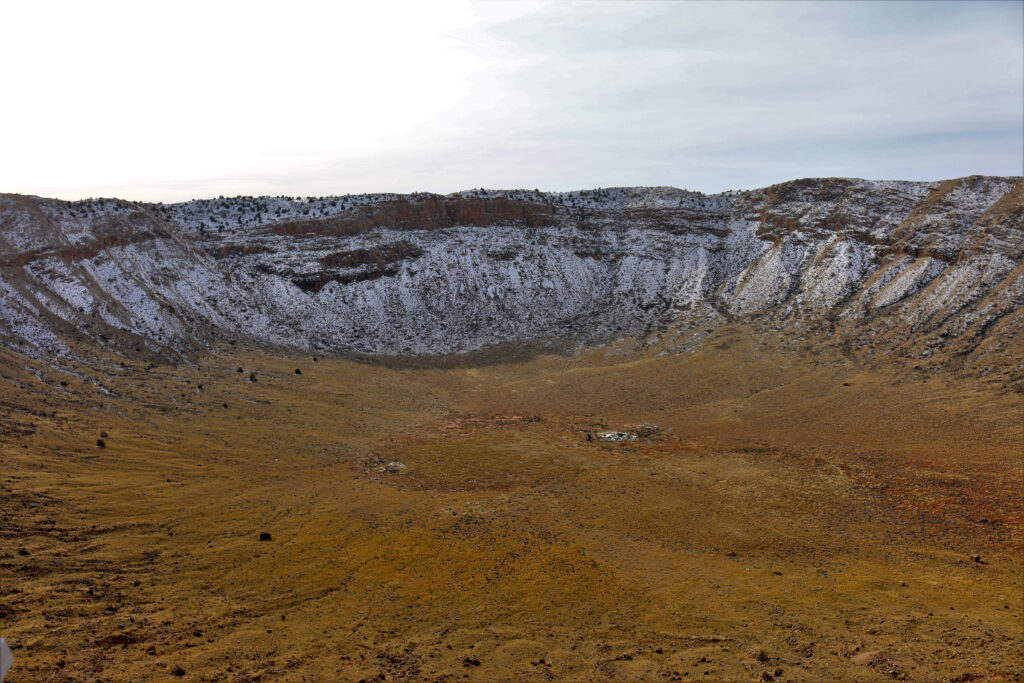
    Meteor Crater: A large hole in the ground doesn’t sound very exciting but we all agreed we really liked this excursion.  The Crater is nearly one mile across, 2.4 miles in circumference and more than 550 feet deep.  Tours for adults are $18 and kids are $9.  The price is really worth it as you walk around the Crater, the guide explains the geology of the rock, why they know it was a meteorite that caused it and how they proved it. 

    This trip never gets old and there is always something new to explore.  Have fun!