Tag: Arizona

  • Hiking in Southeast Arizona (Part 1): Trails, Weather & Scenic Views Near Sierra Vista, Arizona

    Hiking in Southeast Arizona (Part 1): Trails, Weather & Scenic Views Near Sierra Vista, Arizona

    Cool Days, Beautiful Views & a Monsoon or Two

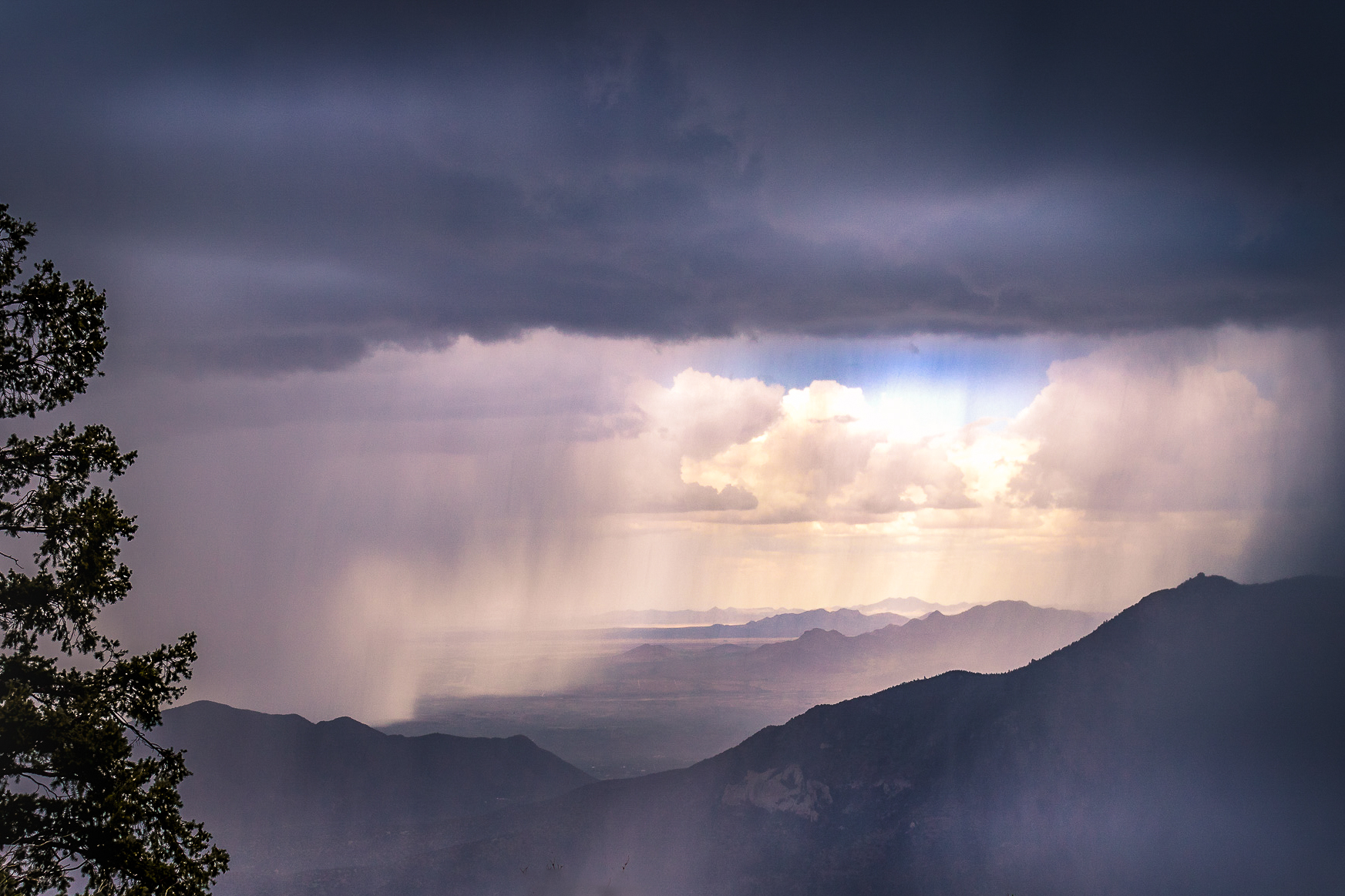
    If you’re looking to skip the crowds of Arizona’s more popular destinations and experience wide-open landscapes, Southeast Arizona hiking offers a quieter, equally stunning alternative. Known for its mild summer temperatures (often staying under 100°F), crisp winter days, and the occasional dramatic monsoon storm, this region is a year-round destination for outdoor enthusiasts.

    With endless blue skies and mountain ranges rising above 8,000 feet, Southeast Arizona delivers some of the best hiking trails in the state. From shaded canyon paths to panoramic ridge hikes, the variety of terrain makes it perfect for both casual walkers and experienced hikers.

    One of the best places to base your trip is Sierra Vista, Arizona. Conveniently located near several top hiking areas, Sierra Vista provides easy access to scenic trails, wildlife viewing, and diverse ecosystems—all within a short drive.

    Whether you’re chasing cooler temperatures, sweeping desert views, or peaceful trails away from the crowds, hiking in Southeast Arizona offers a unique and unforgettable experience.

    Ramsey Canyon
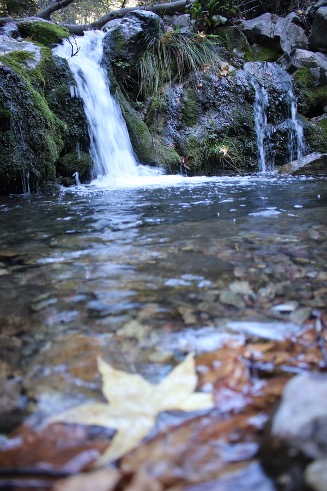
    One of my favorite places to hike is Ramsey Canyon in Sierra Vista.  The Canyon starts at the Nature Conservancy’s Ramsey Canyon Preserve.  The area is home to more than 170 species of birds and birders from all over the world come to watch, take tours and photograph the flying feathers.  I love the hummingbirds who visit the feeders located within the preserve.  The canyon follows a river that flows most of the year. Depending upon your level of expertise, you can just walk the short trail loop trail or if you want something more challenging, take the Hamburg Trail.  The trail starts at 5,550 feet in elevation so be aware you may get winded more easily.  From there you climb in elevation.  At the overlook, you’ll see expansive views at 6,390 feet. It’s only a mile but it’s a mile up.  If you drop back down the backside, you’ll experience a beautiful canyon with pine and oak trees and the river becomes even more beautiful.  I’ve taken this route back down the Brown Canyon Trail where it flattens out to grassy prairies and then walked back up the road.  The total is about 8 miles.  Make sure you take plenty of water as the altitude will also dehydrate you.

    The parking lot at the Conservancy is small so get there early. Also, there is a small fee to enter and hours in the parking lot are limited depending upon the time of year.  The trailhead can be found at 27 E. Ramsey Canyon Road, Hereford, AZ 85615

    Brown Canyon
    Ramsey Canyon

    If it’s cool out or threatening to storm, you might want to visit Brown Canyon Ranch.  It’s off of Ramsey Canyon Road.

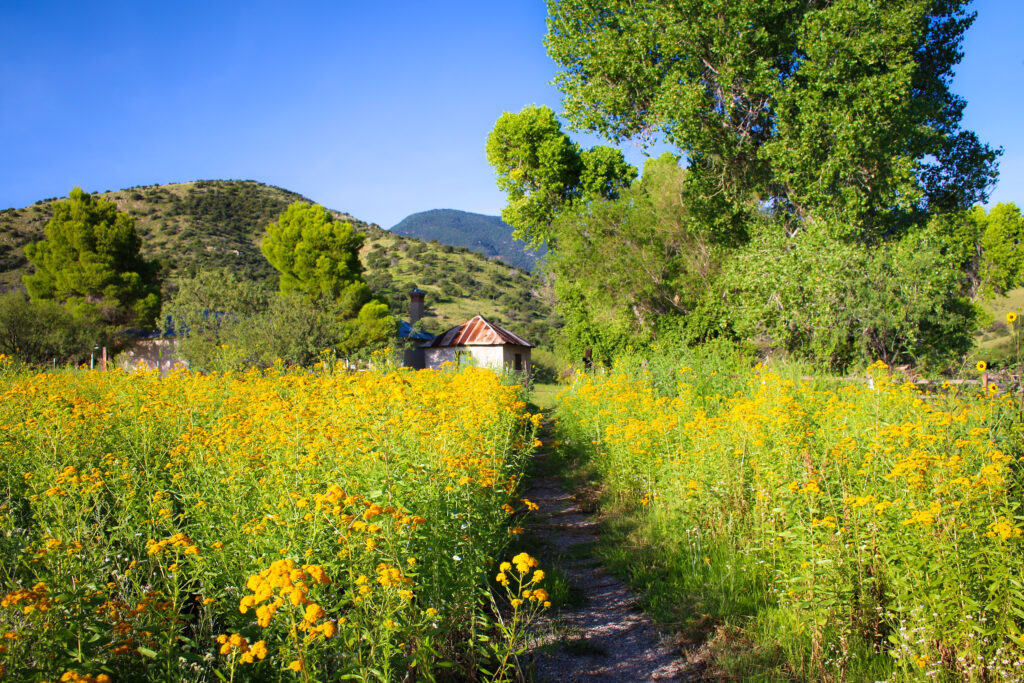
    The Ranch is an old house that is now used as an interpretative center.  It offers two loop trails.  The lower loop is 2.6/3 miles and the upper loop is 2.2 miles.  Both of these are pretty flat. You’ll see the grassy plains, rolling hill and if it’s lowered, the aerostat at Fort Huachuca, is a huge blimp used to monitor air traffic on both sides of the border.  In the spring and early summer, you may see wild daisies.

    Carr Canyon
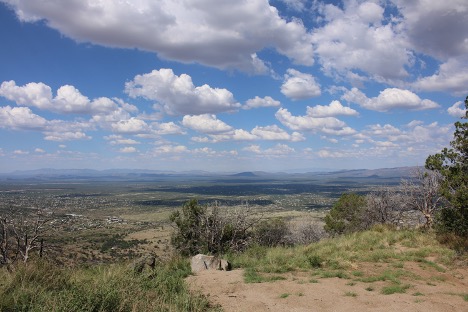
    Carr Canyon offers a variety of hiking trails.  The Carr House and Nature Center provides free maps of the area.  On one trail the elevation changes from 4,875’ to more than 7,400’ at the Ramsey Vista Campground.  During the monsoons, generally between July and September, there is a huge waterfall flowing down the cliff.  There are loop trails that are as short as .5 miles.  Carr Canyon offers a picnic area and the Carr Ruins are interesting to look at.

    Coronado National Monument
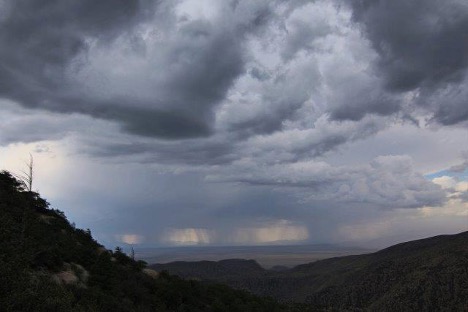
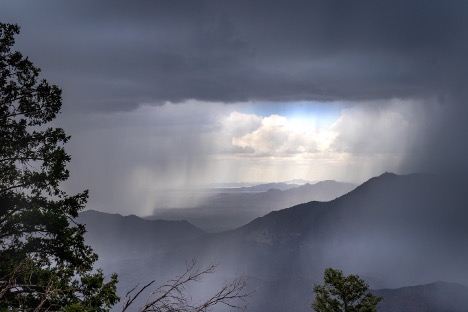
    Southeast Arizona also hosts the Coronado National Monument, home to several  hiking trails. If you’re into driving, the views along the Montezuma Canyon Road can’t be beat.  From up here, you can see for miles into Arizona and Mexico.  We love to just pull off the road and open the tailgate for a picnic.  If there are monsoons, you can just sit here and watch them blow across the valley.  There are a number of campsites located in the Monument.  One of these, off Parker Canyon Road skirts the lake. More suggestions follow in Part II.
  • Hiking in Southeast Arizona (Part 2): Trails, Weather & Scenic Views Near Sierra Vista, Arizona

    Hiking in Southeast Arizona (Part 2): Trails, Weather & Scenic Views Near Sierra Vista, Arizona

    In Part II of your Southeast Arizona hiking guide, discover even more scenic trails and outdoor opportunities across this beautiful region. From cooler mountain elevations to wide-open desert views, Southeast Arizona is perfect for year-round hiking.

    Base yourself near Sierra Vista for easy access to top trailheads and diverse landscapes. During summer hikes, bring plenty of water and prepare for monsoon storms, while cooler months can bring sudden weather changes—so dress in layers and plan ahead.

    Enjoy safe, rewarding hikes while exploring one of Arizona’s most underrated outdoor destinations.

      Chiricahua National Monument

    For a weekend or longer get away, the Chiricahua National Monument offers hiking, camping and star gazing.  From Sierra Vista, it’s almost a two hour drive as the Monument runs close to the New Mexico border and is totally worth it.  The park is less busy than those in Northern Arizona.  We stayed in Bonita Canyon Campground but put our blow up mattress in the truck bed and at midnight headed up to the peak to look at the stars.  We were the only people in the parking lot and were rewarded with one of the most beautiful sunrises I’ve ever experienced. There are also plenty of hiking trails in the area.  If you’re planning on camping, make reservations ahead of time.

    Fairbank

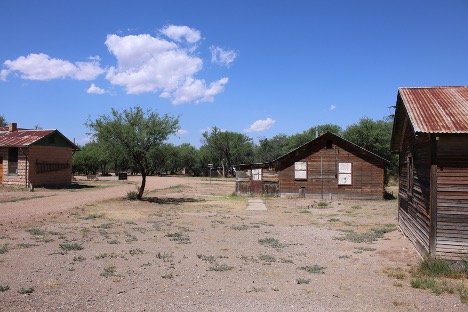
    Fairbank, Arizona is a preserved ghost town.  Built in the 1880’s as a mining town,   there is an old outhouse, post office and some other buildings.  If you take the 5-mile loop walk, you’ll be rewarded with views from the small hilltop graveyard, old mill ruins. On the way back, the San Pedro River and old railroad tracks used to transport the ore out of the mine.  It’s a flat walk but can get quite warm so make sure to take plenty of water.

    San Pedro House and River

    The San Pedro House offers a two-mile, flat loop walk along the San Pedro River.  There is a picnic area and large trees to sit under.  When we went to hike the mosquitoes were out and impossible next to the river.  At non- summer times, it can be beautiful.

    Dragoon

    If you’re in the area, you must at least drive through the Dragoon Mountains.  They look like something out of Star Wars.  The rock formations are round rocks piled on top of each other. They offer hiking, camping in the area along with the scenic drive.

    Our Lady of the Sierras

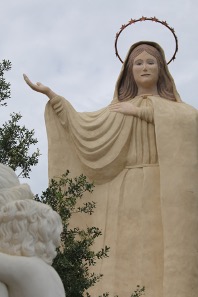
    Built in the 1990’s, Our Lady of the Sierras has a huge cross and statue of the Virgin Mary.  It’s not really a hike but worth a stop. You can drive up almost to the top where you will see amazing views.  The shrine is located in Hereford, south of Sierra Vista.  There are two small parking lots.  The pavement is very steep when driving to o the upper one, so you might just want to park in the lower area and walk up the stairs. Read Part I

  • Standing on the Corner in Winslow, Arizona: Route 66 History, La Posada Hotel & Must-See Stops

    Standing on the Corner in Winslow, Arizona: Route 66 History, La Posada Hotel & Must-See Stops

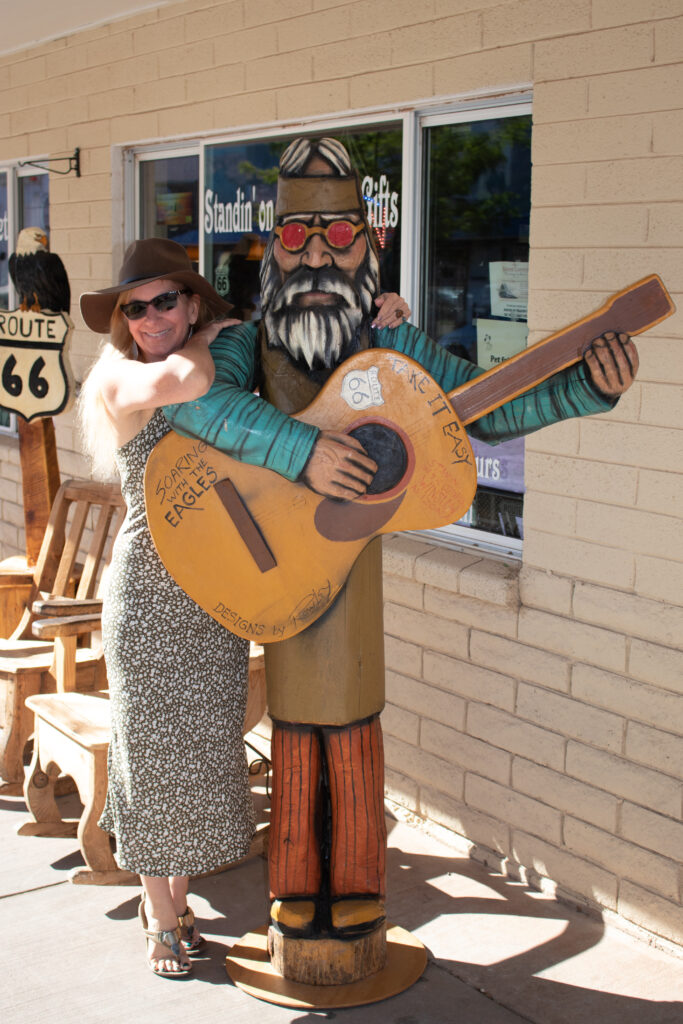
    “Standing on the corner of Winslow, Arizona—such a fine sight to see…” The iconic lyric from Take It Easy, written by Jackson Browne in 1972 and made famous by Eagles, has turned Winslow into a must-visit stop for music lovers and road trippers alike. But beyond its pop culture fame, Winslow has long been an important travel hub, dating back to the rise of the railroads and its role along the historic Route 66—making it a classic destination for anyone exploring the American Southwest.

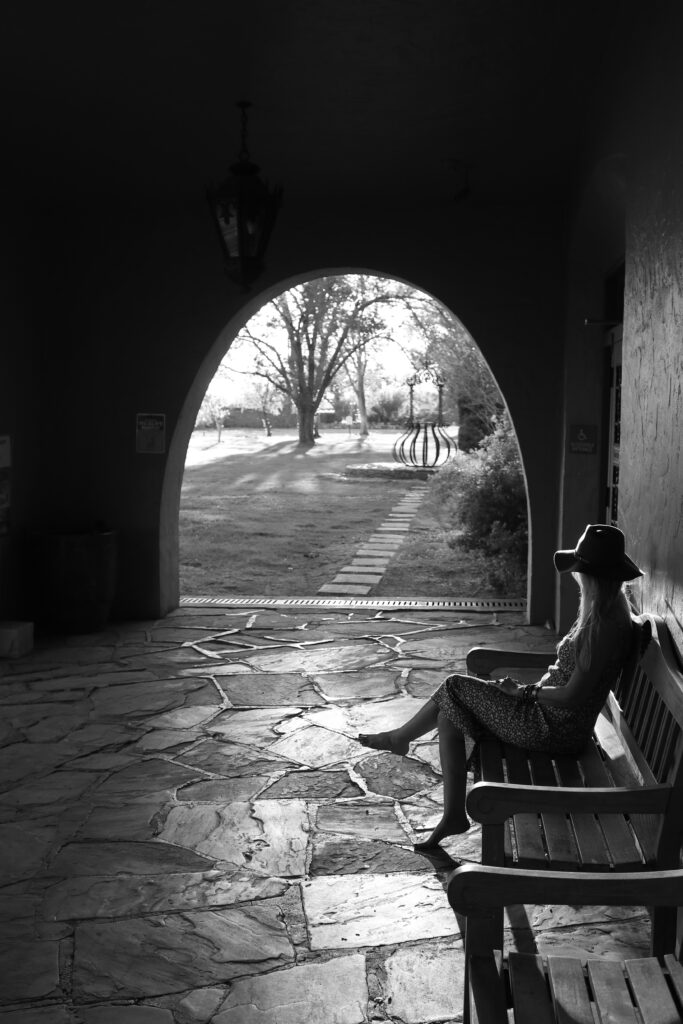
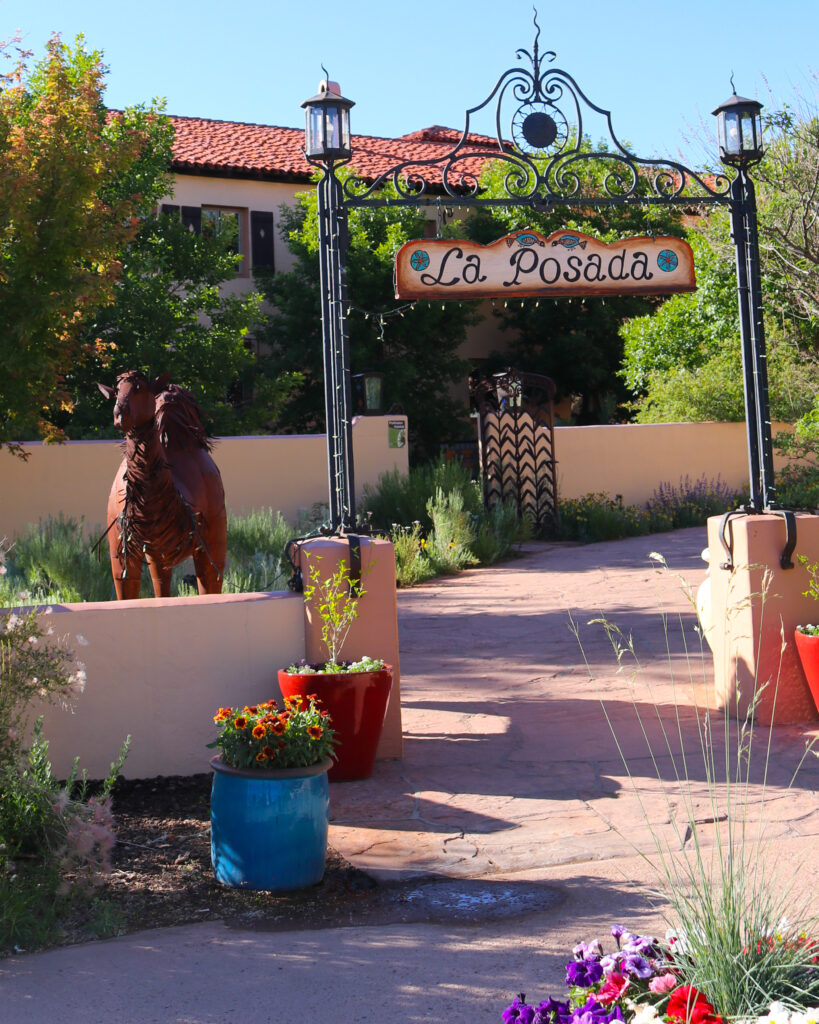
    Staying overnight at La Posada adds another layer to the experience, as the hotel has hosted notable guests like John Wayne, Amelia Earhart, James Stewart, and Franklin D. Roosevelt. Each room reflects a piece of history, and the on-site Turquoise Room offers a memorable dining experience with classic Southwestern cuisine and a nod to the original Harvey Girls tradition.

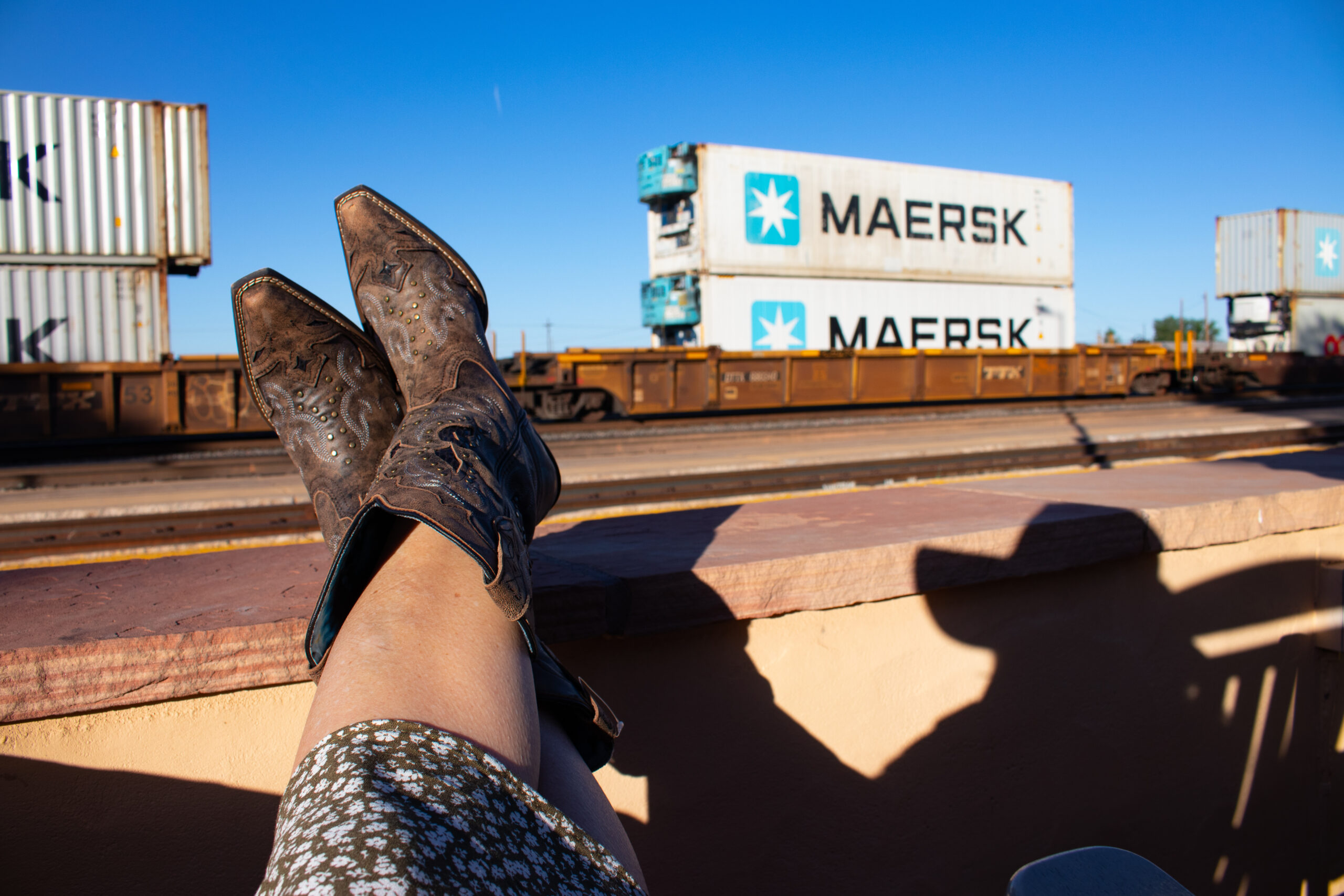
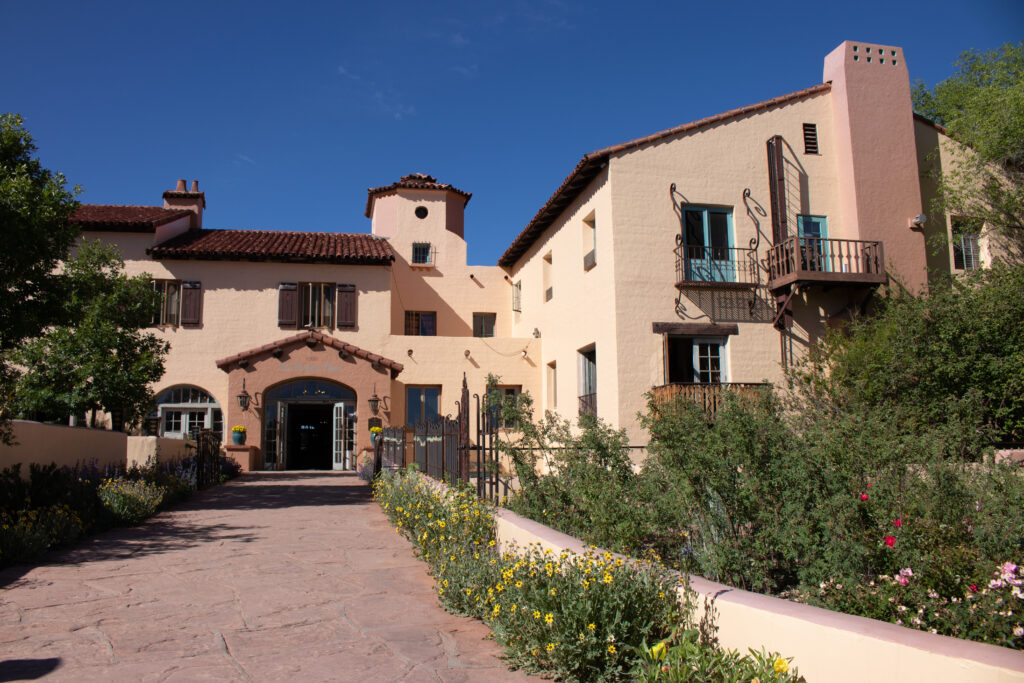
    In the 1880s, the Atchison, Topeka and Santa Fe Railway helped establish Winslow as a key stop for cross-country travelers heading west. Today, trains still pass through regularly, and visitors can even arrive via Amtrak. The town’s rich railroad heritage is beautifully preserved at La Posada Hotel, a restored Harvey House that originally opened in 1930. Designed by Mary Jane Colter, the hotel offers a unique blend of Southwest charm and historic elegance. Sitting on the back veranda with a drink in hand while watching trains roll by is an experience that perfectly captures the spirit of old Route 66 travel.

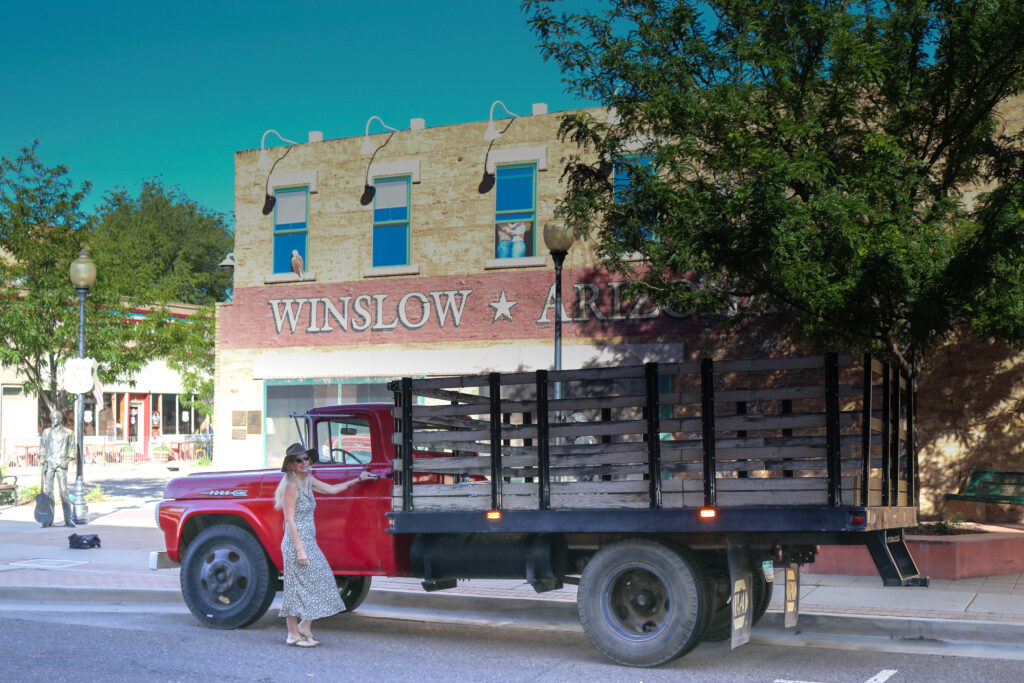
    No visit to Winslow is complete without a stroll through its charming downtown. Be sure to stop at Standin’ on the Corner Park, where you can snap a photo with statues inspired by the famous song—including a flatbed Ford and tributes to the musicians who made the town famous. Nearby shops and quirky photo ops, like a giant guitar and colorful street art, make this small town surprisingly lively. Whether you’re on a Route 66 road trip or just passing through northern Arizona, Winslow is more than a quick stop—it’s a nostalgic, worthwhile destination that captures a unique slice of Americana.

  • Bryce to Sedona Driving Itinerary

    Bryce to Sedona Driving Itinerary

    If you love the outdoors hiking through streams, seeing waterfalls, pine trees as well as cactus. And, if you love seeing a panorama of color from below your feet and soaring above your head. And, if you love taking in the outdoors, snapping photos and just relaxing in a lounge chair staring at the vista in front of you, Northern Arizona/Southern Utah is the place for you! The area is full of national parks, each one is beautiful in its own way. Below is an overview of some of your options. They are out of order but I’ve included a driving map to lead the way.

    The area is full of national parks, each one is beautiful in its own way. Below is an overview of some of your options.  They are out of order but I’ve included a driving map to lead the way. It’s at the bottom of this post.

    Arch in Arches National Park.

    Arches National Park:
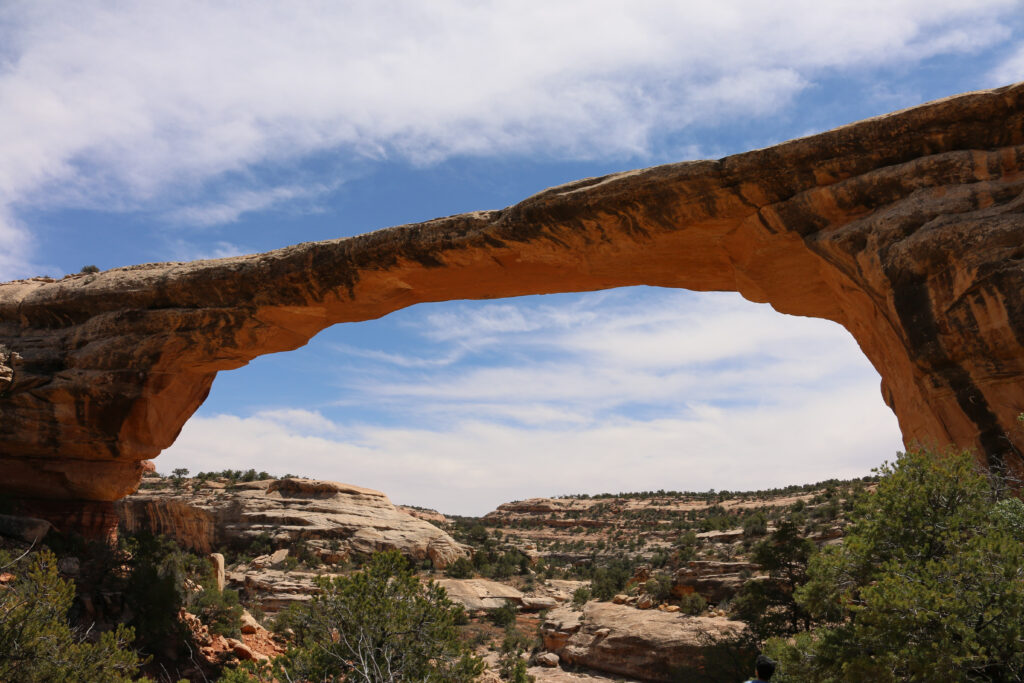
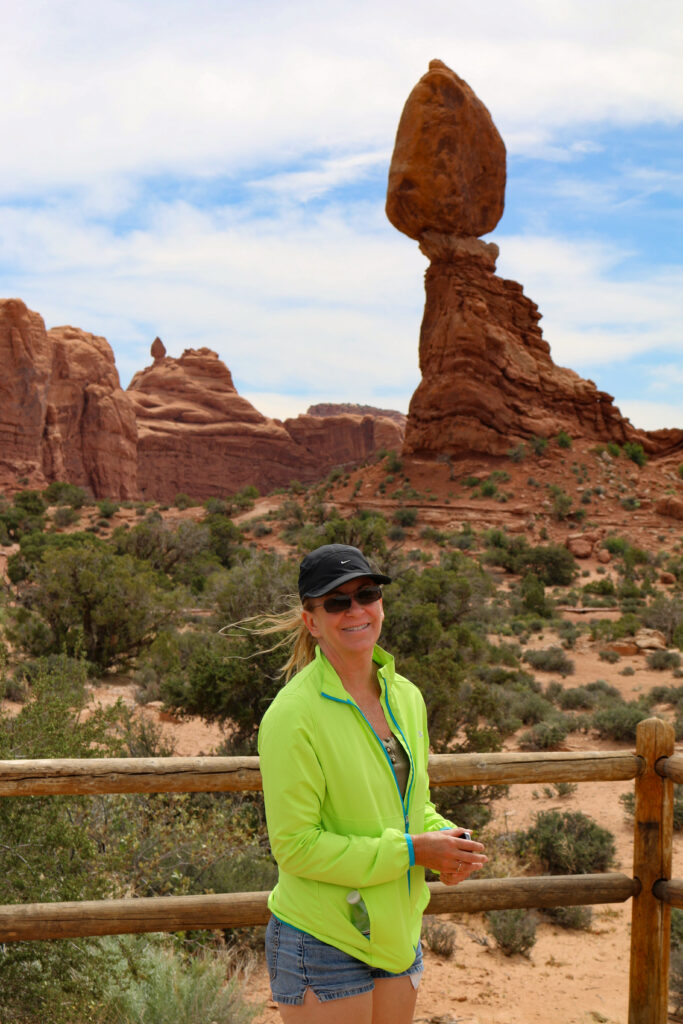
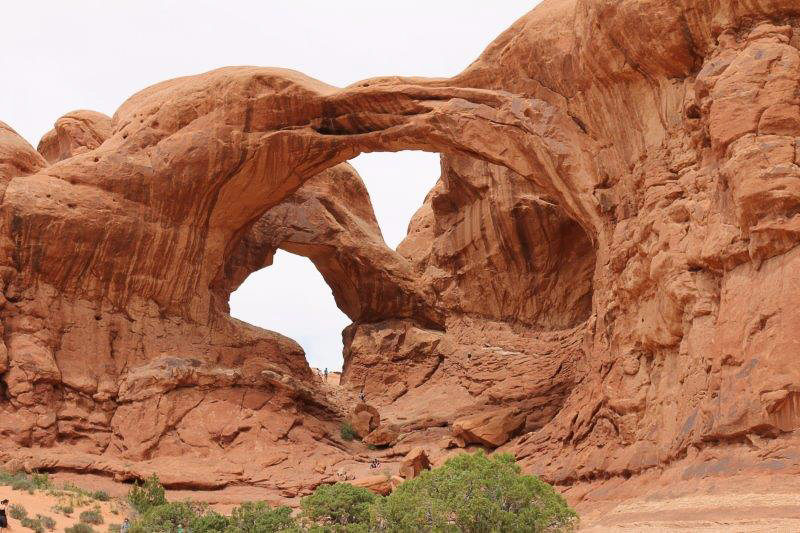
    Arches is aptly named for its overabundance of rock arches, in fact the Park has more than 2,000 of them.  Within Devils Garden, spans Landscape Arch, which is the longest arch in North America extending 306 feet.  At its narrowest spot, it is only 6 feet in diameter. Double Arch is also worth a stop.  It soars 112 feet above ground and is 144 feet across. In Arches, there is a road that traverses through the park with many places to park along the way and walks that are easily accomplished by beginner and those with children.  More challenging hikes are also throughout the park and lead to some of the lesser visited arches. Stop by the Ranger Station ahead of time to pick up a pamphlet.  Camping is available but fills up quick.

    Antelope Canyon
    Horseshoe Bend

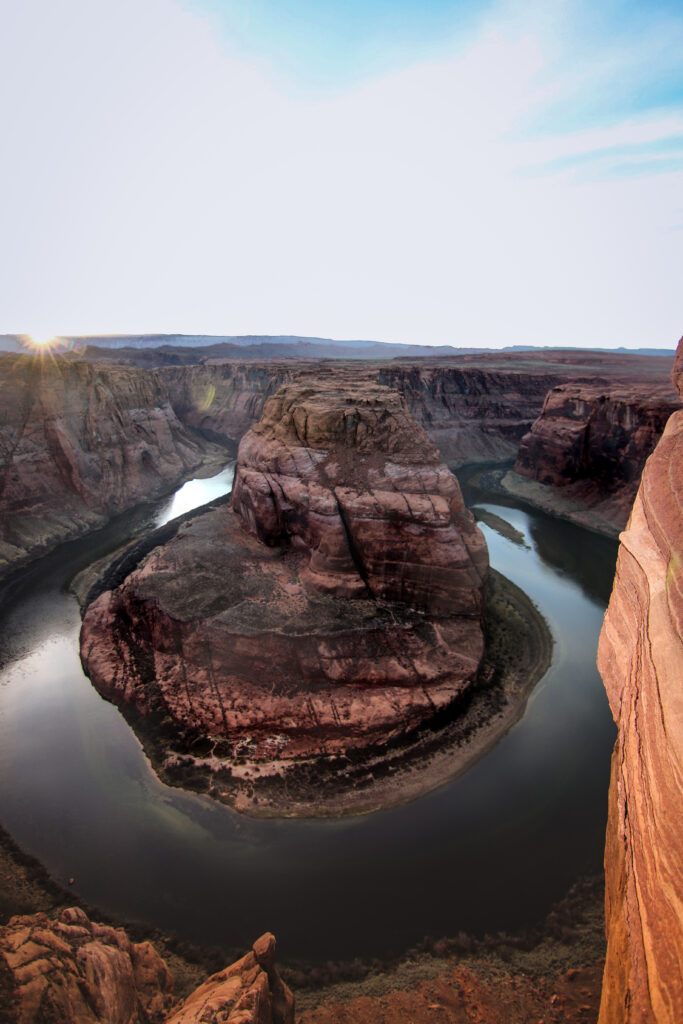
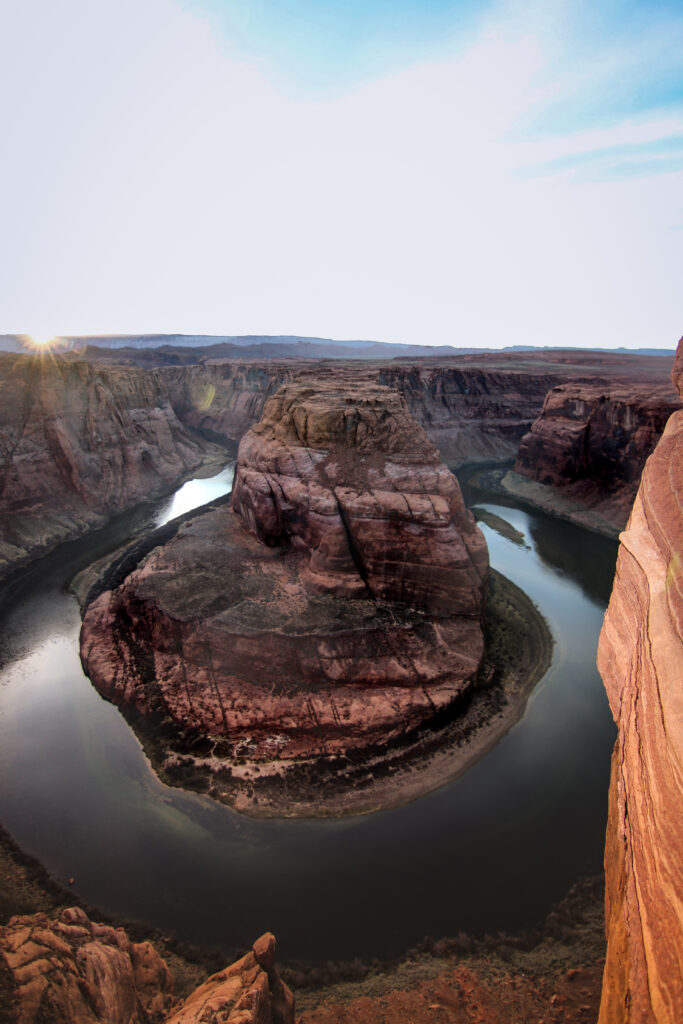
    Antelope Canyon and Horseshoe Bend: I visited Antelope Canyon five years ago and it was crowded but not crazy.  We went again last month, and that has changed.  It’s testament to social media’s influence.  Having said that, both are still worth a visit but be patient. There are people everywhere.  These sites are located in Page, Arizona, along the Colorado River and near Lake Powell.  Page was a sleepy little town but no longer.  There are plenty of hotels to choice from and some decent restaurants.  My favorite is a Mexican place called El Tapatio.  The service and atmosphere is terrific and the food good. Horseshoe Bend is where the Colorado River makes a U-turn around an outcropping of rocks.  We went during sunset but I think sunrise is probably less crowed.  There is a parking lot with bathrooms and the walk to the Bend is short, about 1.5 miles round trip.  

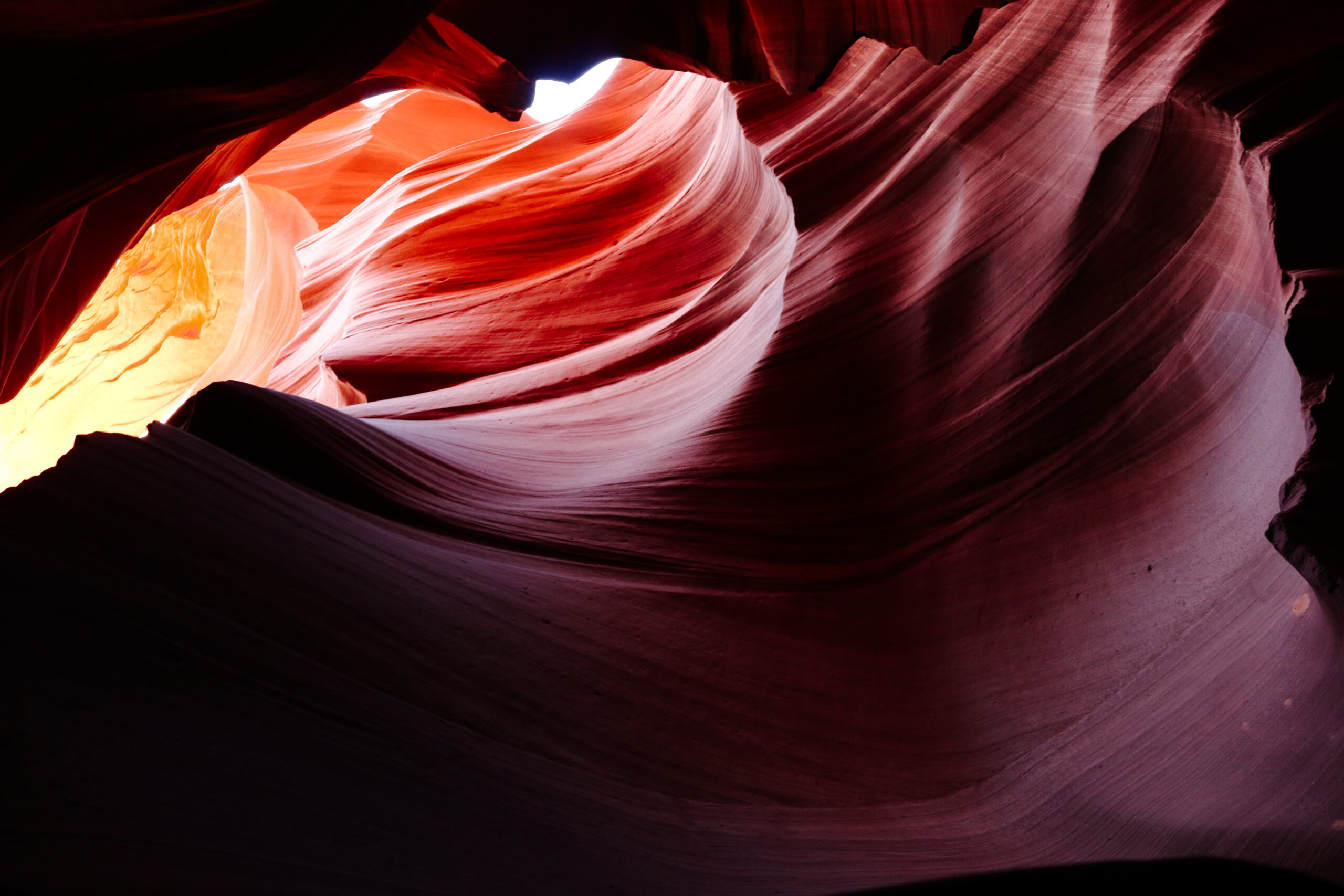
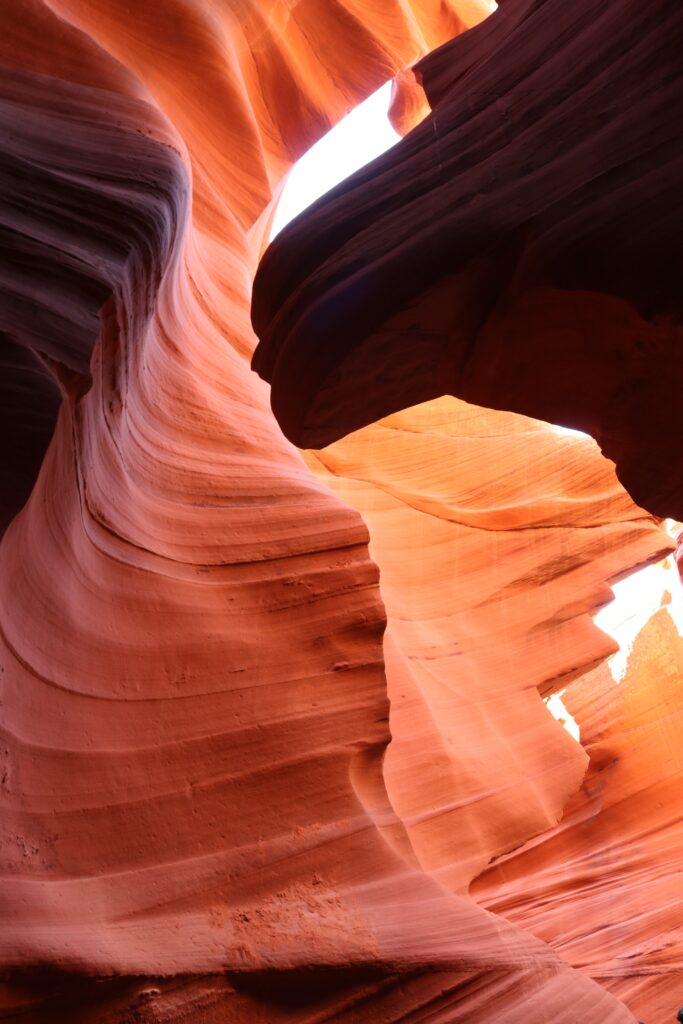
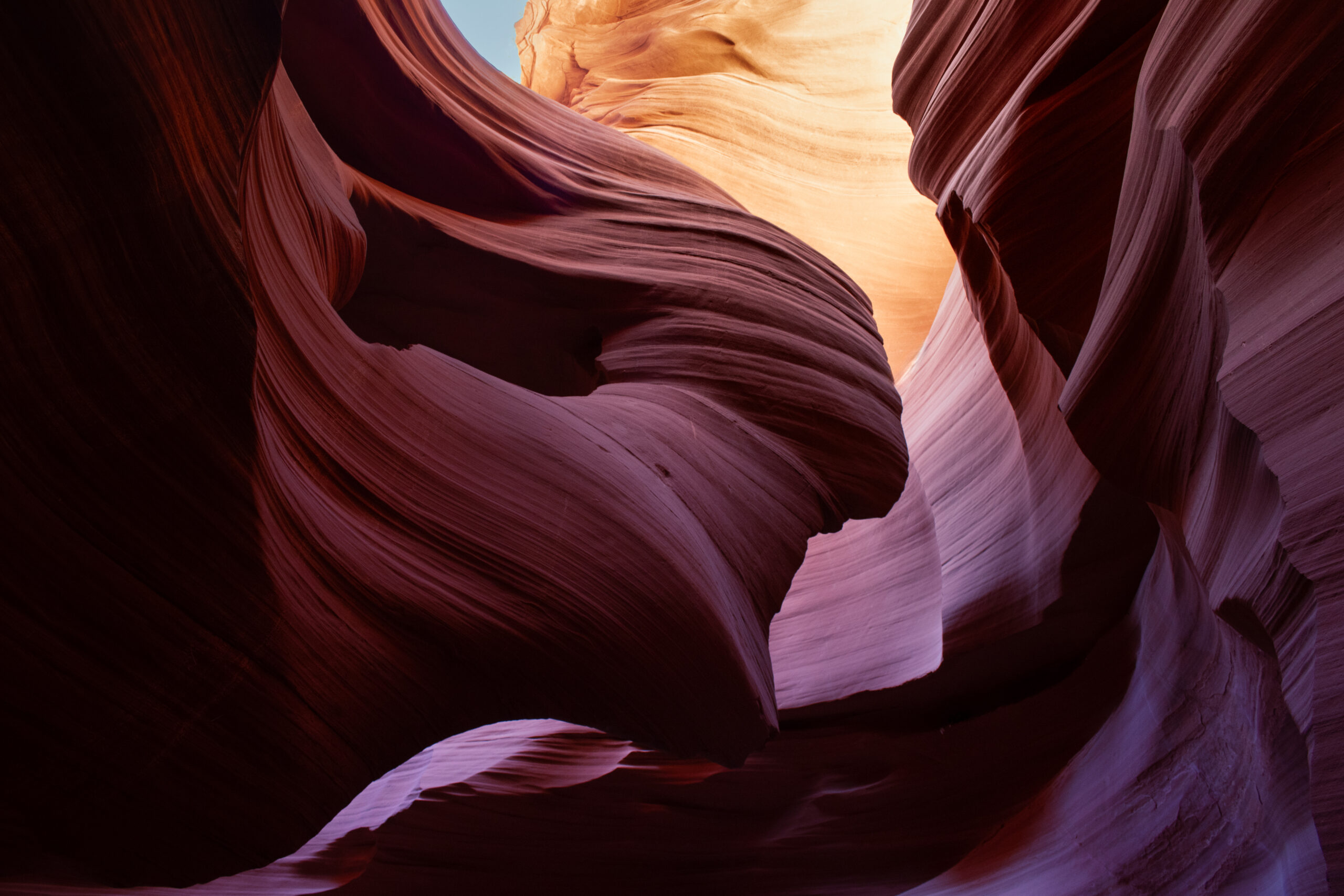
    Antelope Valley has been made famous because of its two canyons that are divided into Upper Antelope and Lower Antelope Canyon.  The colors of the sandstone rocks are orange and brown but a camera will change the colors depending upon how much light is hitting them, bright yellows for those with more light and deep purple for those in the shadows. Antelope Canyon is located on Navajo Indian land so you have to purchase a tour ticket to see them.  I suggest you do this before you leave because they do sell out.  There are a number of tour companies that are generally ran by just a few families.

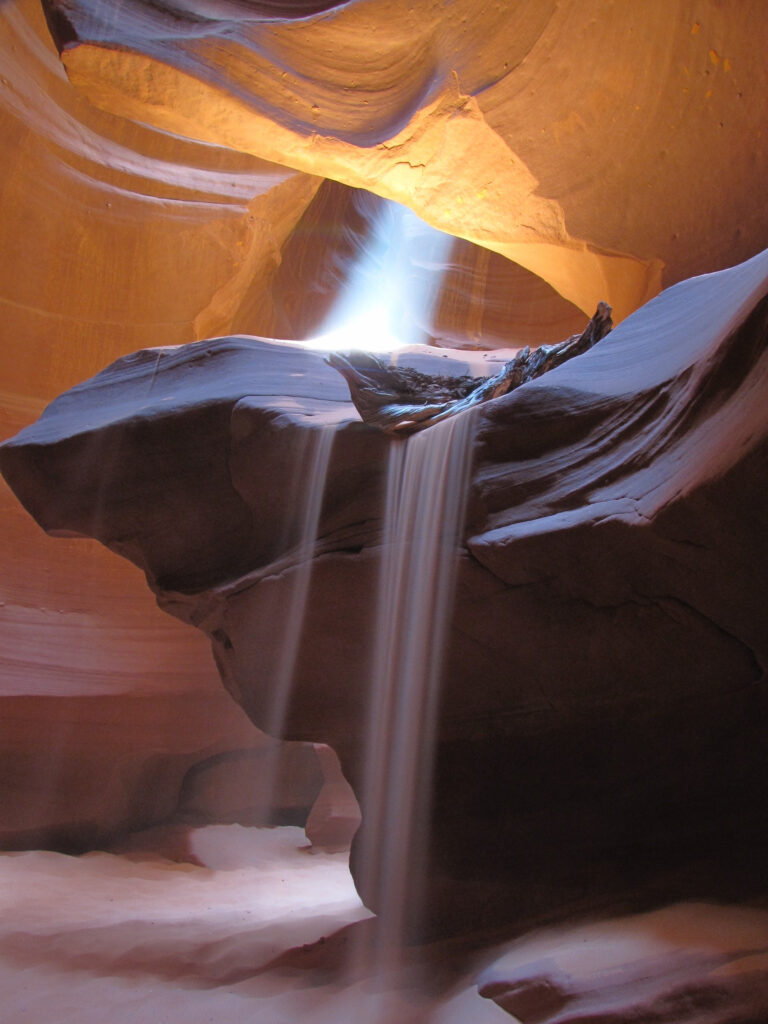
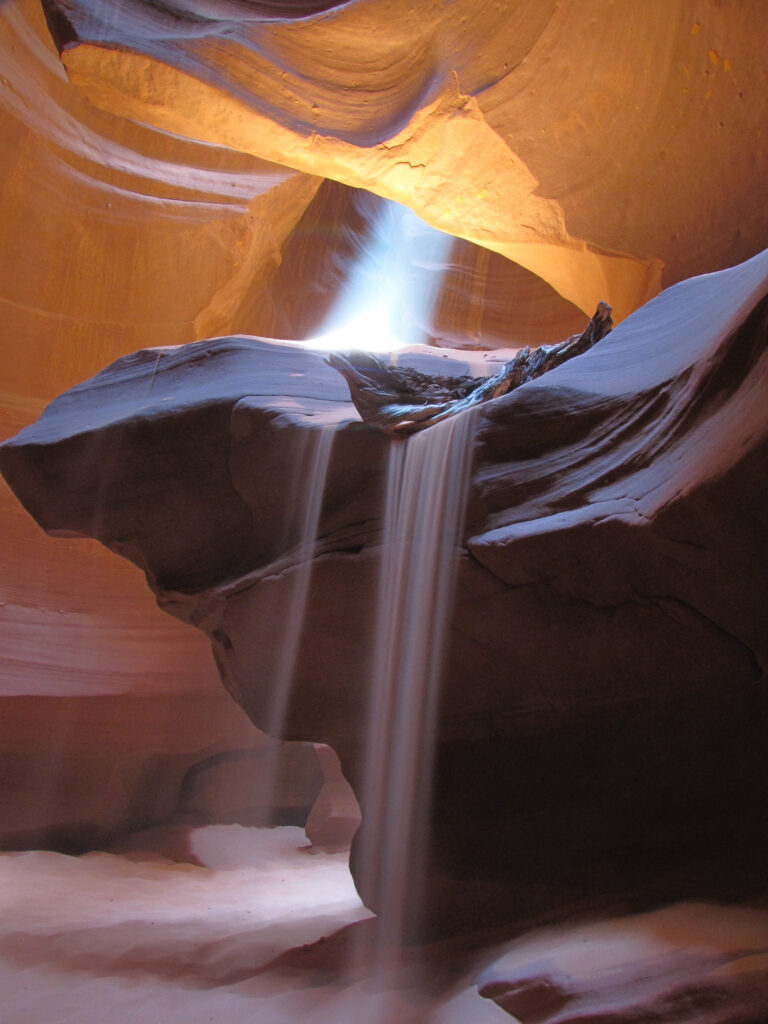
    In Upper Antelope Canyon, rays of sun shine through the rocks creating beams of light that are particularly cool.  For this reason, we spend the extra money to do a photo tour of Upper Antelope Canyon. You need a DSL camera and you can take your tripod.  The guide will help you with the correct camera settings and making sure people don’t walk through your photo. They also know the exact time when the sun will shine through the rocks and will throw sand into the light beam making it more prominent on your photos. For this tour, you will take a short ride to site and then walk through the Canyon.

    The Lower Canyon offers tours too but because of the number of people and the ladders to go in, out and through the Canyon, tripods and backpacks are not allowed.  Our guide told us around 2,000 people a day go through Lower Antelope so expect lines and crowds.  Luckily, if you’re a photobug like me, you’re shooting up the entire time so you can easily crop people out.  Ask the guides ahead of time to set your camera, this works even if you’re shooting with a cell phone. 

    Note: Most tours require cash so be prepared. 

    Bryce Canyon

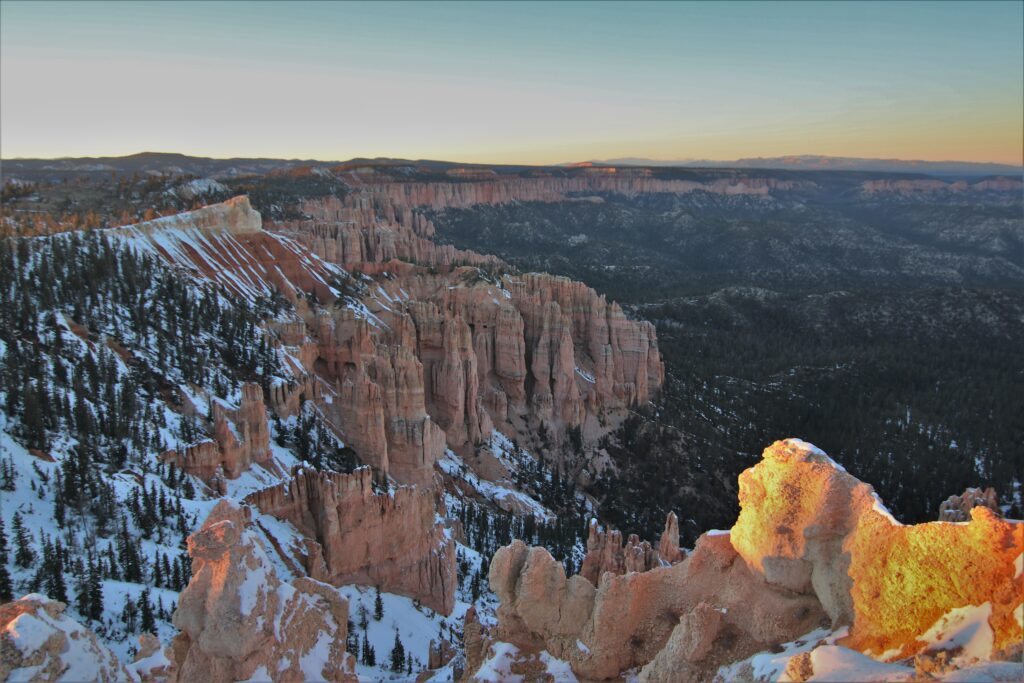
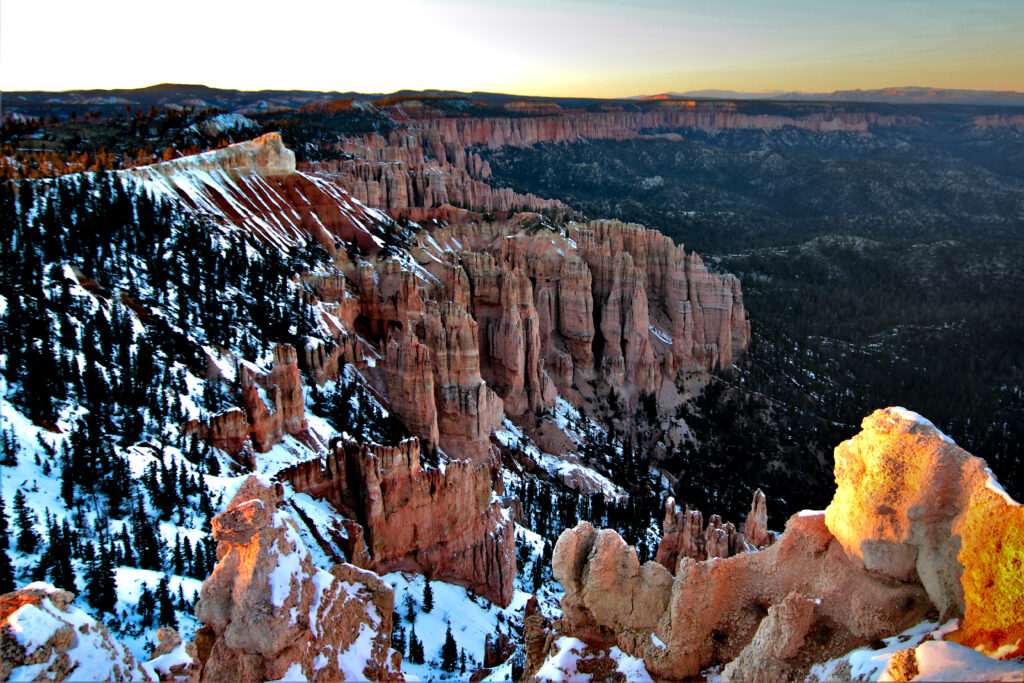
    Bryce Canyon:  Bryce Canyon has orange, white and red pinnacles called Hoodoos that soar throughout the park. If fact, Bryce has the largest collection of Hoodoos in the world.  In the winter, the Canyon often showcases a dusting of snow and it can get quite cold.  There is hiking, camping and a road that winds through it teasing you with a number of lookouts.    

    Zion Nattional Park

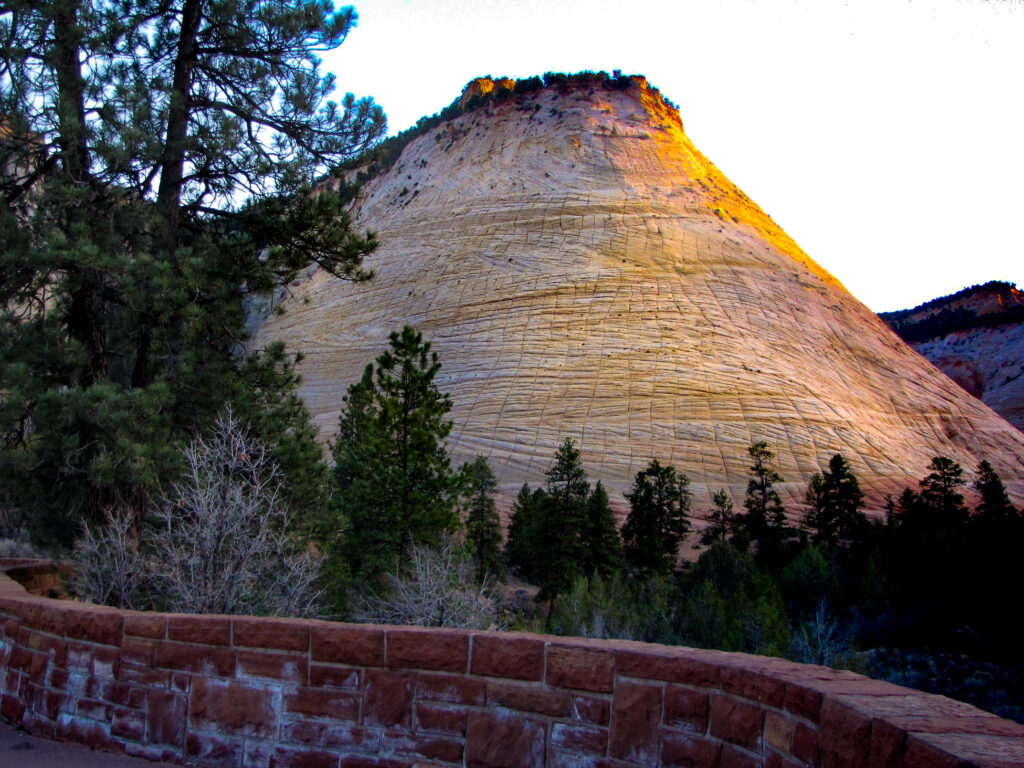
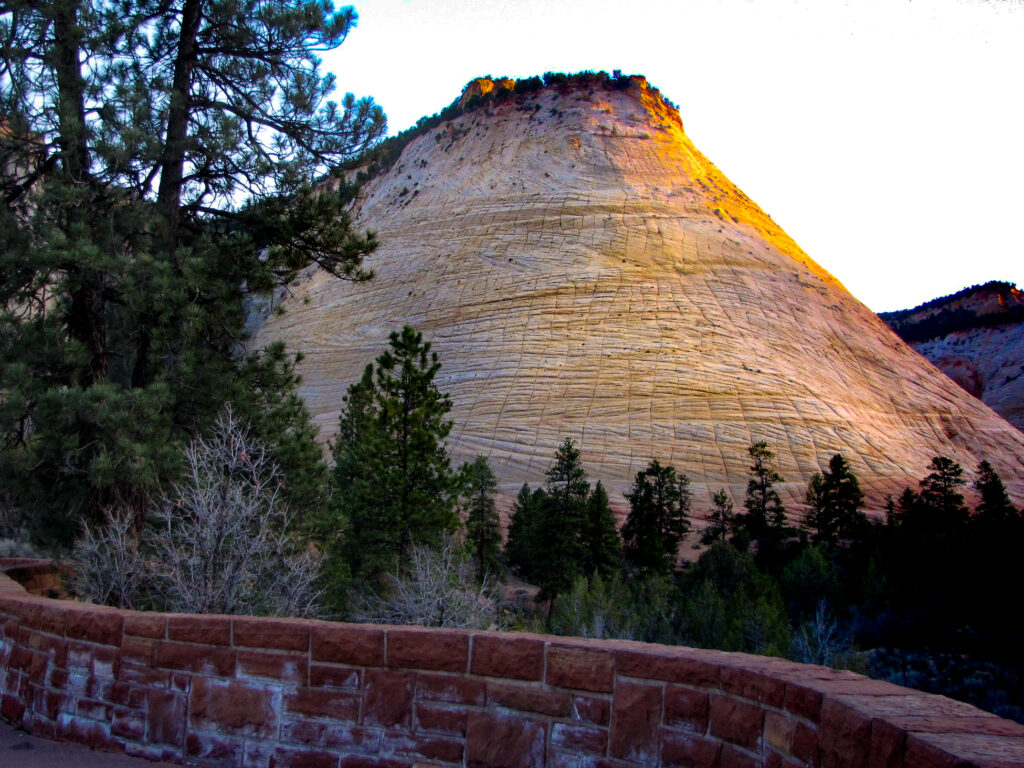
    Zion Canyon: Zion Canyon is one of my favorite National Parks.  It doesn’t have the colors of some of the other locations but its green, has a river and pine trees. You have to see the Great White Throne and Checkerboard Mesa.  We camped a few times here when I was a kid and I always have loved hiking through the woods and along the river. During peak season, you will need to park your car and ride the shuttle bus through the park. The shuttle buses are free and make many stops along the way.  You can hop on and hop off as you like taking hikes in between.  

    Grand Canyon

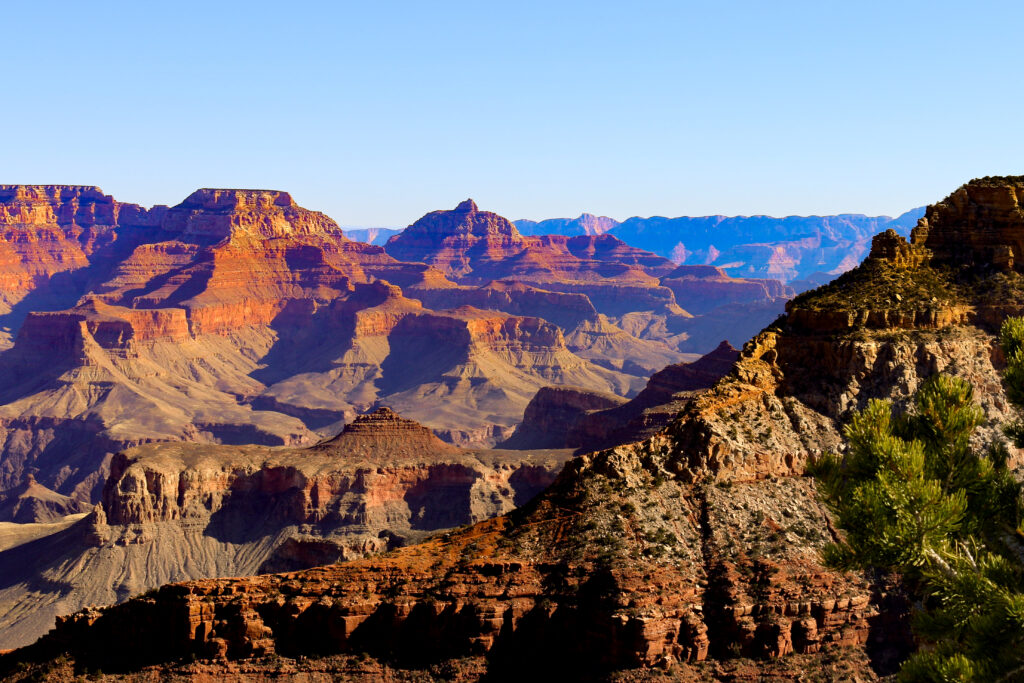
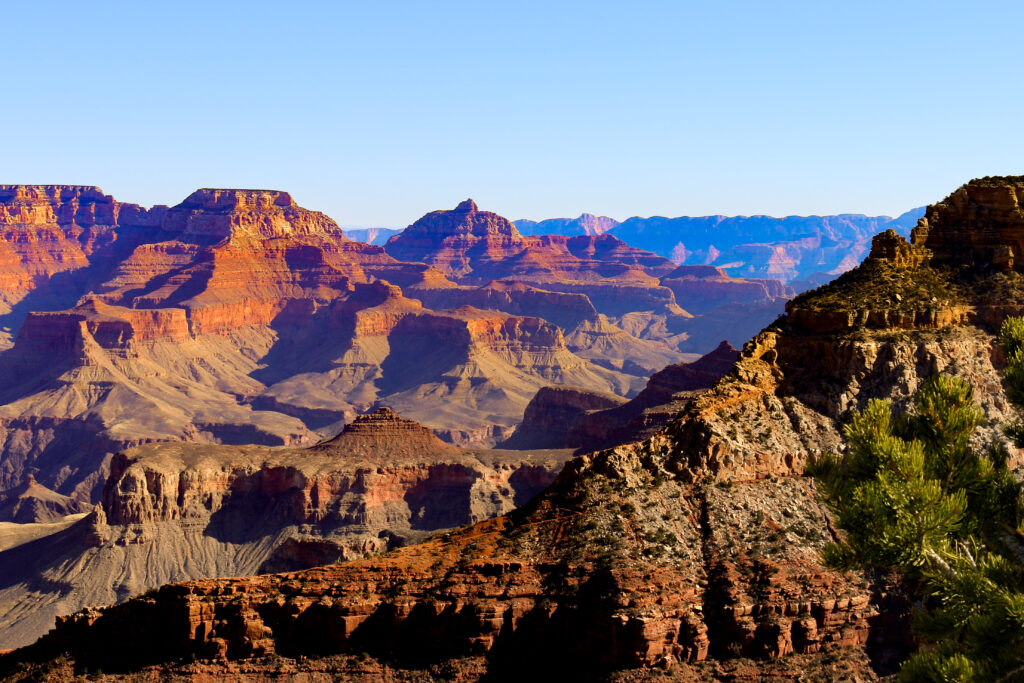
    Grand Canyon: Of course the Grand Canyon is the mother of all of the National Parks in this area and there are a number of ways to see it.  You can hike the Canyon both along the rim and at the bottom.  You can raft down the river (generally, you need to make reservations a year in advance for this), see it by train via Williams, Arizona, or drive through and stop along the way.  I’ve driven along the south side stopping and taking short hikes which are always fun and also taken the train from Williams to the Canyon for the day. No matter which you choose, the Grand Canyon is awe inspiring and literal took my breath away the first time I saw it.

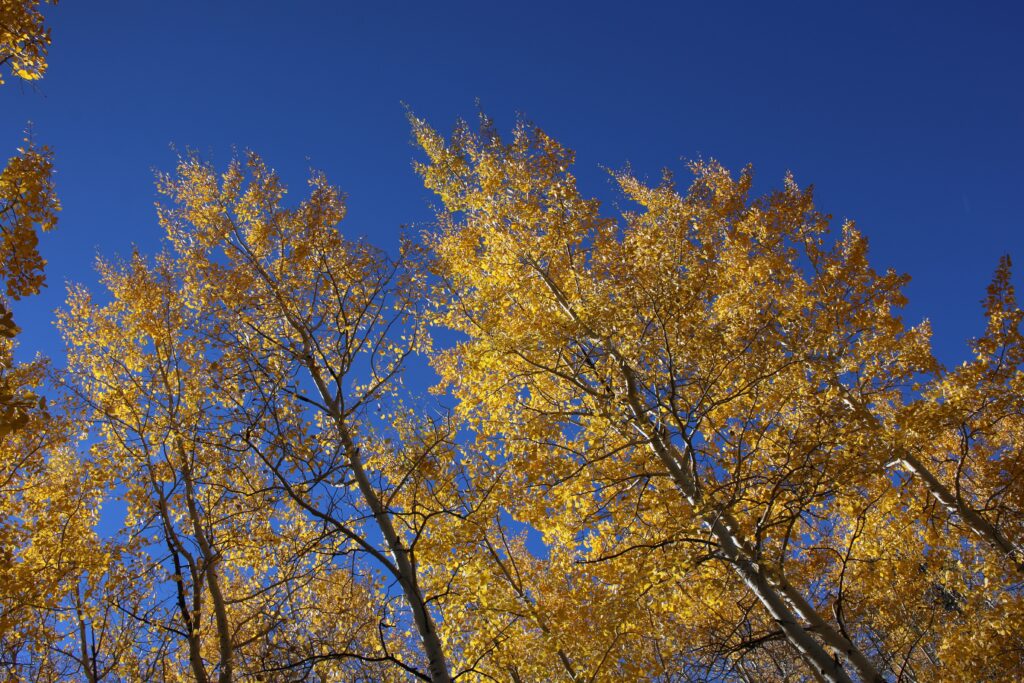
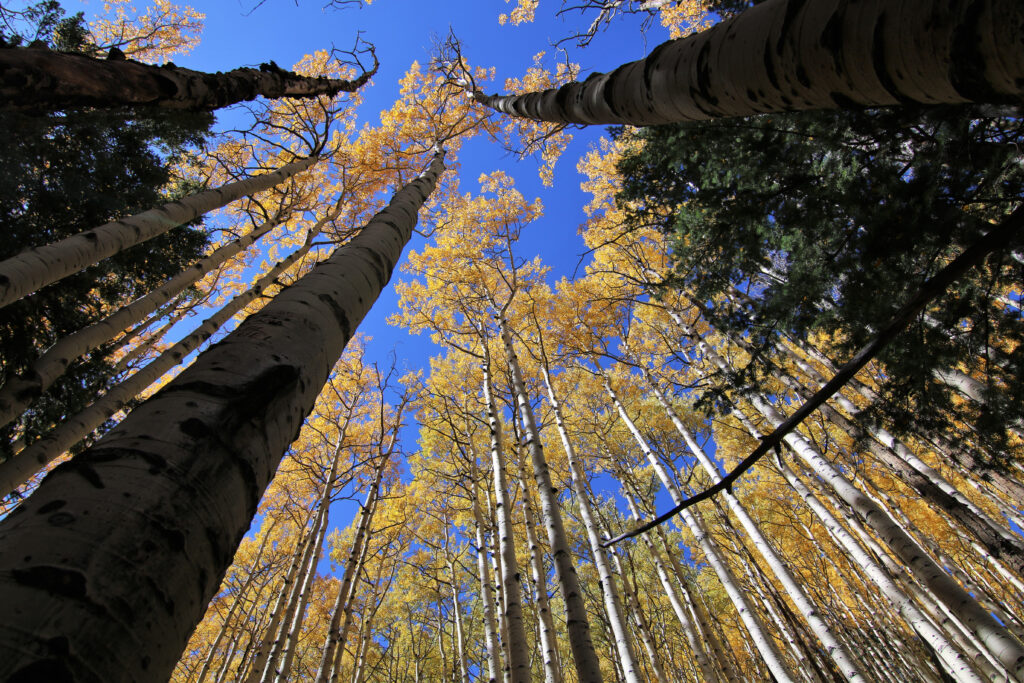
    Flagstaff: You can’t write an article about this area without mentioning Flagstaff.  We always stay here along the route.  Flag, as the locals call it, has a quaint downtown with delicious food and a variety of hotels.  Last time we drove though, we stayed at the Hilton Garden Inn.  The hotel has a fireplace and cozy furniture so we ended up not leaving for dinner and just staying here reading in the lobby and getting dinner at the bar.  Another local restaurant I love in Flagstaff is Black Bart’s Steakhouse.  It’s a restaurant that caters to tourist but unlike other tourist restaurants, the food here is really good here. They have waiters and waitress that sing on stage in between serving your food.  A lot of them go to the local university and are really good. During the fall, Flagstaff has bright, yellow Aspens that dot the hills and it’s known for its skiing and snowboarding.

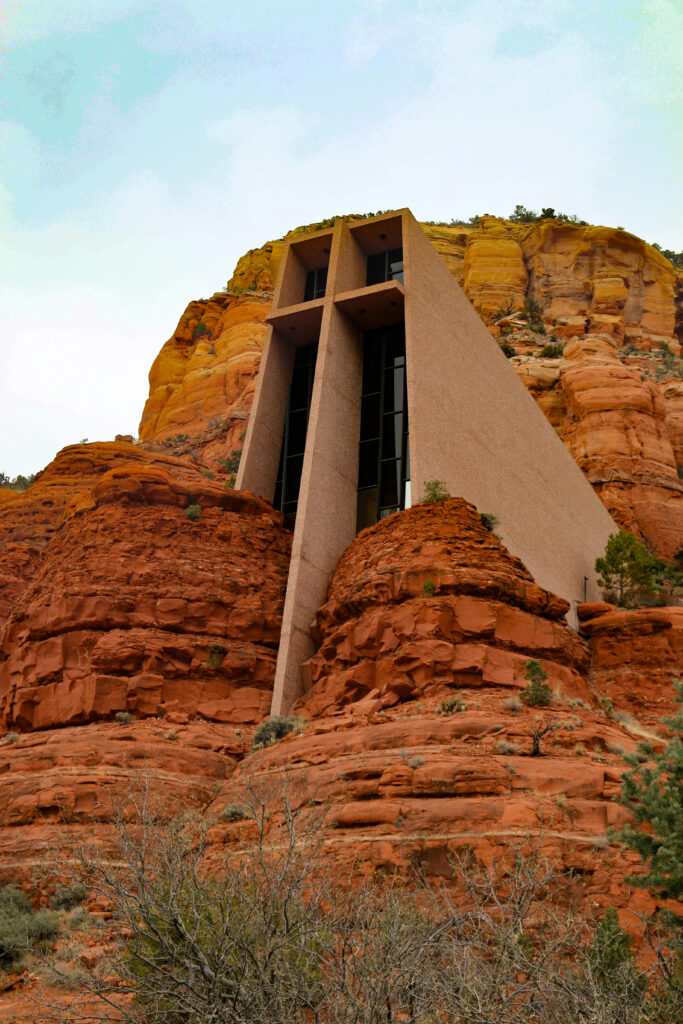
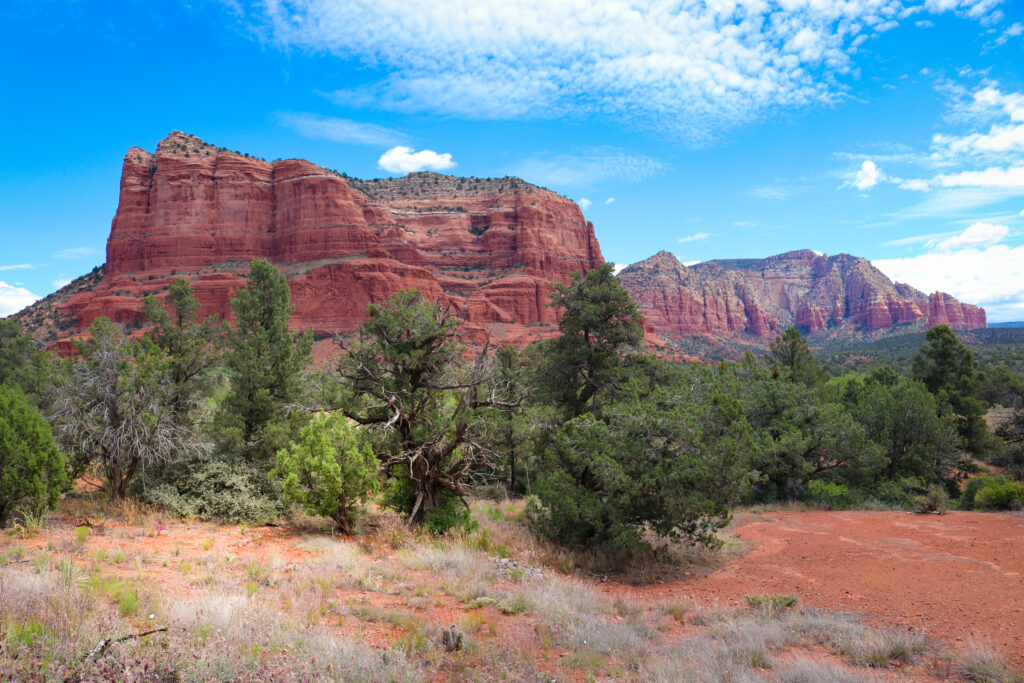
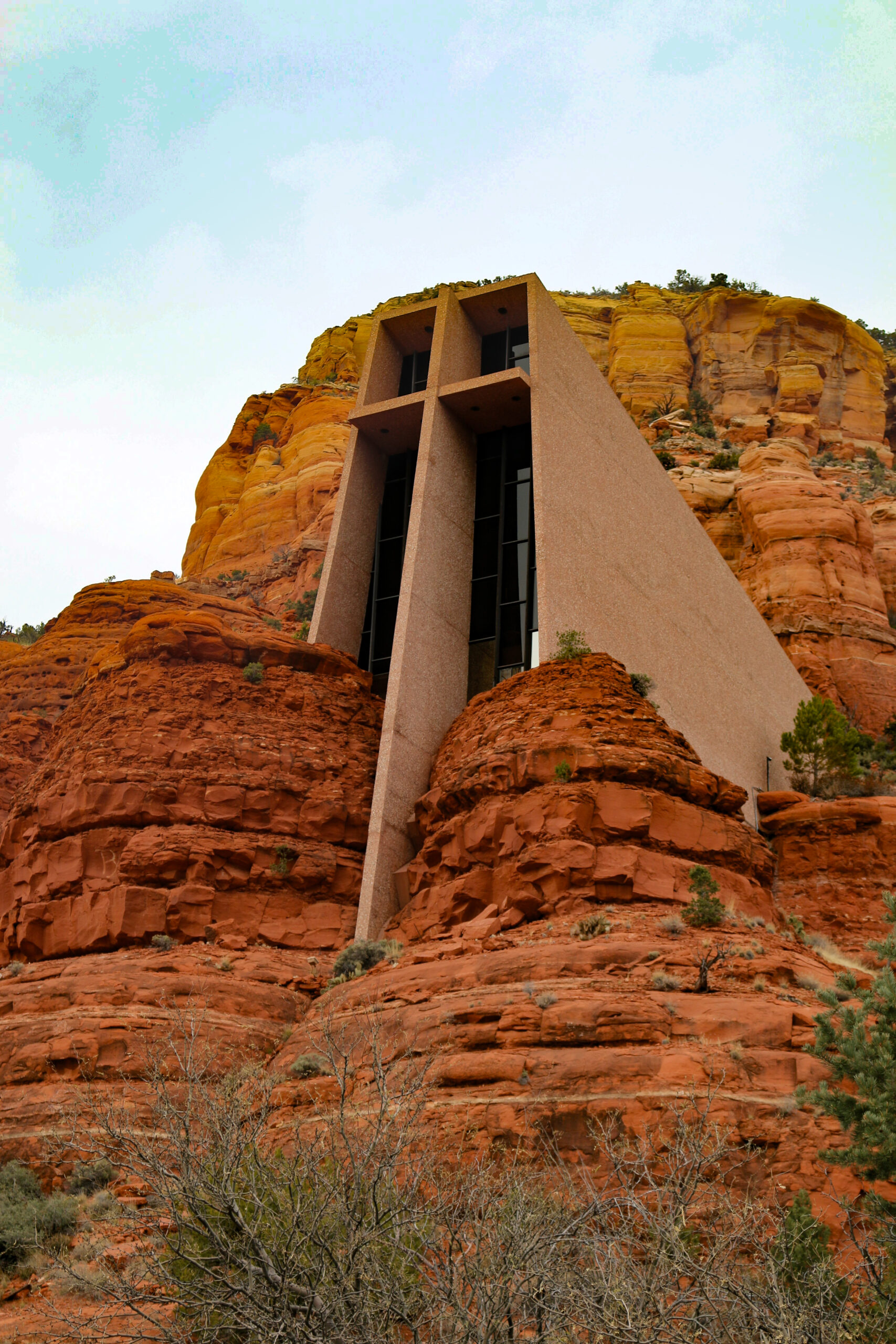
    Sedona: Sedona is the gateway to northern Arizona and southern Utah.  Here the red rocks start to pop out of the ground giving you a glimpse of the beauty to come.  People go to the Mesa Sedona Airport to view the sunset.  It costs $3 to park but worth the view as you look down upon the town.  Another place to visit here is the Chapel of the Holy Cross built in the side of the hill in 1956, the Chapel hangs over the cliff and you can walk through it.  Additionally, Sedona has hiking trails and you can take jeep tours through the area.  There are two state parks, Red Rock and Slide Rock.

    Meteor Crater

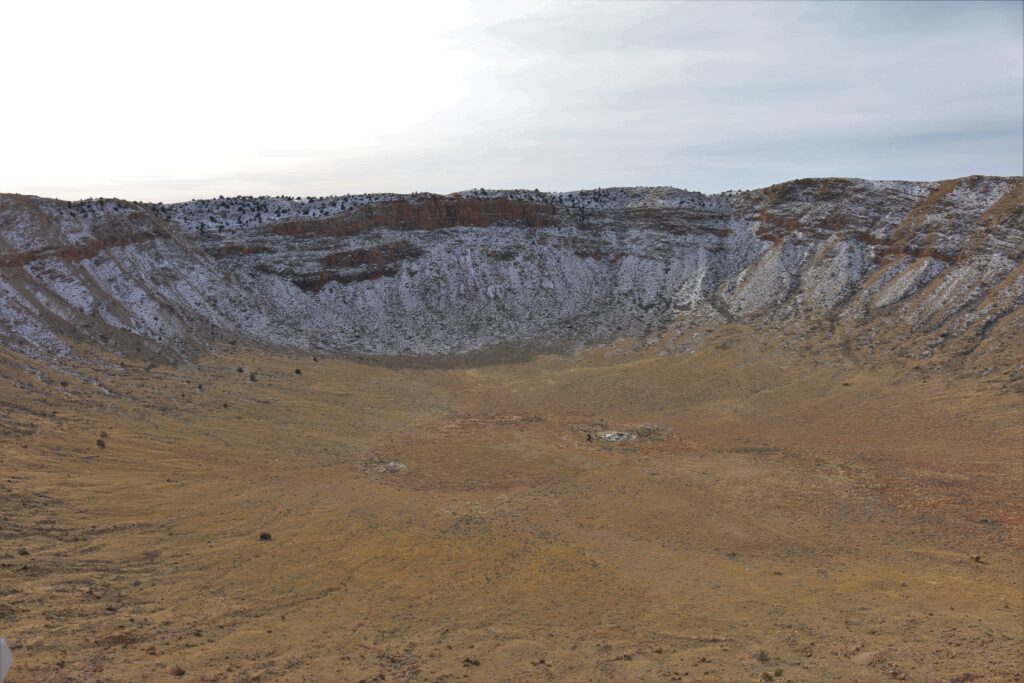
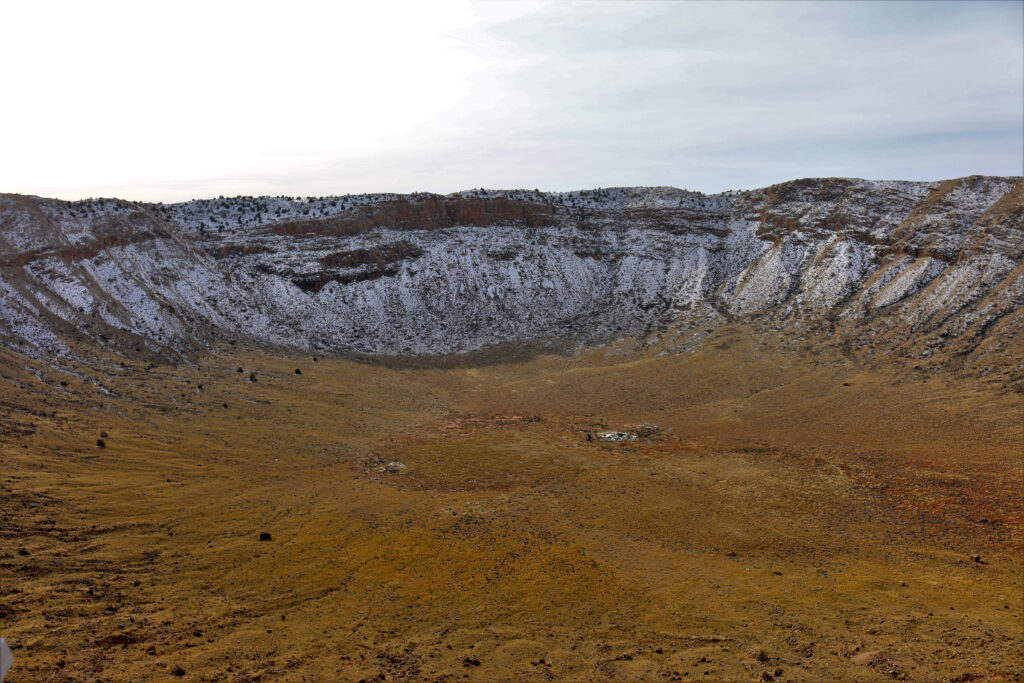
    Meteor Crater: A large hole in the ground doesn’t sound very exciting but we all agreed we really liked this excursion.  The Crater is nearly one mile across, 2.4 miles in circumference and more than 550 feet deep.  Tours for adults are $18 and kids are $9.  The price is really worth it as you walk around the Crater, the guide explains the geology of the rock, why they know it was a meteorite that caused it and how they proved it. 

    This trip never gets old and there is always something new to explore.  Have fun!

    Driving Map

  • Arizona & Utah Road Trip Guide: National Parks, Antelope Canyon & Scenic Desert Views – No Filter Required

    Arizona & Utah Road Trip Guide: National Parks, Antelope Canyon & Scenic Desert Views – No Filter Required

    If you love outdoor adventures—hiking through streams, chasing waterfalls, wandering among pine trees and cactus, and taking in sweeping desert panoramas—then Northern Arizona and Southern Utah should be at the top of your travel list. From vibrant red rock landscapes to dramatic canyon views, this region offers some of the most photogenic scenery in the American Southwest—no filter required.

    The area is packed with world-famous national parks and natural wonders, each with its own unique beauty. Whether you’re planning a scenic road trip, a hiking getaway, or a photography-focused adventure, destinations like Grand Canyon National Park, Zion National Park, and Bryce Canyon National Park offer unforgettable experiences. Add in iconic stops like Antelope Canyon and Horseshoe Bend, and you’ve got the perfect mix of adventure, relaxation, and jaw-dropping views.

    Below is an overview of some of the best places to visit in Northern Arizona and Southern Utah to help you plan your route and make the most of your trip.

    They are out of order but I’ve included a driving map to lead the way. 

    Arches National Park: Arches is aptly named for its overabundance of rock arches, in fact the Park has more than 2,000 of them.  Within Devils Garden, spans Landscape Arch, which is the longest arch in North America extending 306 feet.  At its narrowest spot, it is only 6 feet in diameter. Double Arch is also worth a stop.  It soars 112 feet above ground and is 144 feet across. In Arches, there is a road that traverses through the park with many places to park along the way and walks that are easily accomplished by beginner and those with children.  More challenging hikes are also throughout the park and lead to some of the lesser visited arches. Stop by the Ranger Station ahead of time to pick up a pamphlet.  Camping is available but fills up quick.

    Antelope Canyon and Horseshoe Bend: I visited Antelope Canyon five years ago and it was crowded but not crazy.  We went again last month, and that has changed.  It’s testament to social media’s influence.  Having said that, both are still worth a visit but be patient. There are people everywhere.  These sites are located in Page, Arizona, along the Colorado River and near Lake Powell.  Page was a sleepy little town but no longer.  There are plenty of hotels to choice from and some decent restaurants.  My favorite is a Mexican place called El Tapatio.  The service and atmosphere is terrific and the food good. Horseshoe Bend is where the Colorado River makes a U-turn around an outcropping of rocks.  We went during sunset but I think sunrise is probably less crowed.  There is a parking lot with bathrooms and the walk to the Bend is short, about 1.5 miles round trip.  

    Antelope Valley has been made famous because of its two canyons that are divided into Upper Antelope and Lower Antelope Canyon.  The colors of the sandstone rocks are orange and brown but a camera will change the colors depending upon how much light is hitting them, bright yellows for those with more light and deep purple for those in the shadows. Antelope Canyon is located on Navajo Indian land so you have to purchase a tour ticket to see them.  I suggest you do this before you leave because they do sell out.  There are a number of tour companies that are generally ran by just a few families.

    In Upper Antelope Canyon, rays of sun shine through the rocks creating beams of light that are particularly cool.  For this reason, we spend the extra money to do a photo tour of Upper Antelope Canyon. You need a DSL camera and you can take your tripod.  The guide will help you with the correct camera settings and making sure people don’t walk through your photo. They also know the exact time when the sun will shine through the rocks and will throw sand into the light beam making it more prominent on your photos. For this tour, you will take a short ride to site and then walk through the Canyon.

    The Lower Canyon offers tours too but because of the number of people and the ladders to go in, out and through the Canyon, tripods and backpacks are not allowed.  Our guide told us around 2,000 people a day go through Lower Antelope so expect lines and crowds.  Luckily, if you’re a photobug like me, you’re shooting up the entire time so you can easily crop people out.  Ask the guides ahead of time to set your camera, this works even if you’re shooting with a cell phone. 

    Note: Most tours require cash so be prepared. 

    Bryce Canyon:  Bryce Canyon has orange, white and red pinnacles called Hoodoos that soar throughout the park. If fact, Bryce has the largest collection of Hoodoos in the world.  In the winter, the Canyon often showcases a dusting of snow and it can get quite cold.  There is hiking, camping and a road that winds through it teasing you with a number of lookouts.    

    Zion Canyon: Zion Canyon is one of my favorite National Parks.  It doesn’t have the colors of some of the other locations but its green, has a river and pine trees. You have to see the Great White Throne and Checkerboard Mesa.  We camped a few times here when I was a kid and I always have loved hiking through the woods and along the river. During peak season, you will need to park your car and ride the shuttle bus through the park. The shuttle buses are free and make many stops along the way.  You can hop on and hop off as you like taking hikes in between.  

    Grand Canyon: Of course the Grand Canyon is the mother of all of the National Parks in this area and there are a number of ways to see it.  You can hike the Canyon both along the rim and at the bottom.  You can raft down the river (generally, you need to make reservations a year in advance for this), see it by train via Williams, Arizona, or drive through and stop along the way.  I’ve driven along the south side stopping and taking short hikes which are always fun and also taken the train from Williams to the Canyon for the day. No matter which you choose, the Grand Canyon is awe inspiring and literal took my breath away the first time I saw it.

    Flagstaff: You can’t write an article about this area without mentioning Flagstaff.  We always stay here along the route.  Flag, as the locals call it, has a quaint downtown with delicious food and a variety of hotels.  Last time we drove though, we stayed at the Hilton Garden Inn.  The hotel has a fireplace and cozy furniture so we ended up not leaving for dinner and just staying here reading in the lobby and getting dinner at the bar.  Another local restaurant I love in Flagstaff is Black Bart’s Steakhouse.  It’s a restaurant that caters to tourist but unlike other tourist restaurants, the food here is really good here. They have waiters and waitress that sing on stage in between serving your food.  A lot of them go to the local university and are really good. During the fall, Flagstaff has bright, yellow Aspens that dot the hills and it’s known for its skiing and snowboarding.

    Sedona: Sedona is the gateway to northern Arizona and southern Utah.  Here the red rocks start to pop out of the ground giving you a glimpse of the beauty to come.  People go to the Mesa Sedona Airport to view the sunset.  It costs $3 to park but worth the view as you look down upon the town.  Another place to visit here is the Chapel of the Holy Cross built in the side of the hill in 1956, the Chapel hangs over the cliff and you can walk through it.  Additionally, Sedona has hiking trails and you can take jeep tours through the area.  There are two state parks, Red Rock and Slide Rock.

    Meteor Crater: A large hole in the ground doesn’t sound very exciting but we all agreed we really liked this excursion.  The Crater is nearly one mile across, 2.4 miles in circumference and more than 550 feet deep.  Tours for adults are $18 and kids are $9.  The price is really worth it as you walk around the Crater, the guide explains the geology of the rock, why they know it was a meteorite that caused it and how they proved it. 

    This trip never gets old and there is always something new to explore.  Have fun!