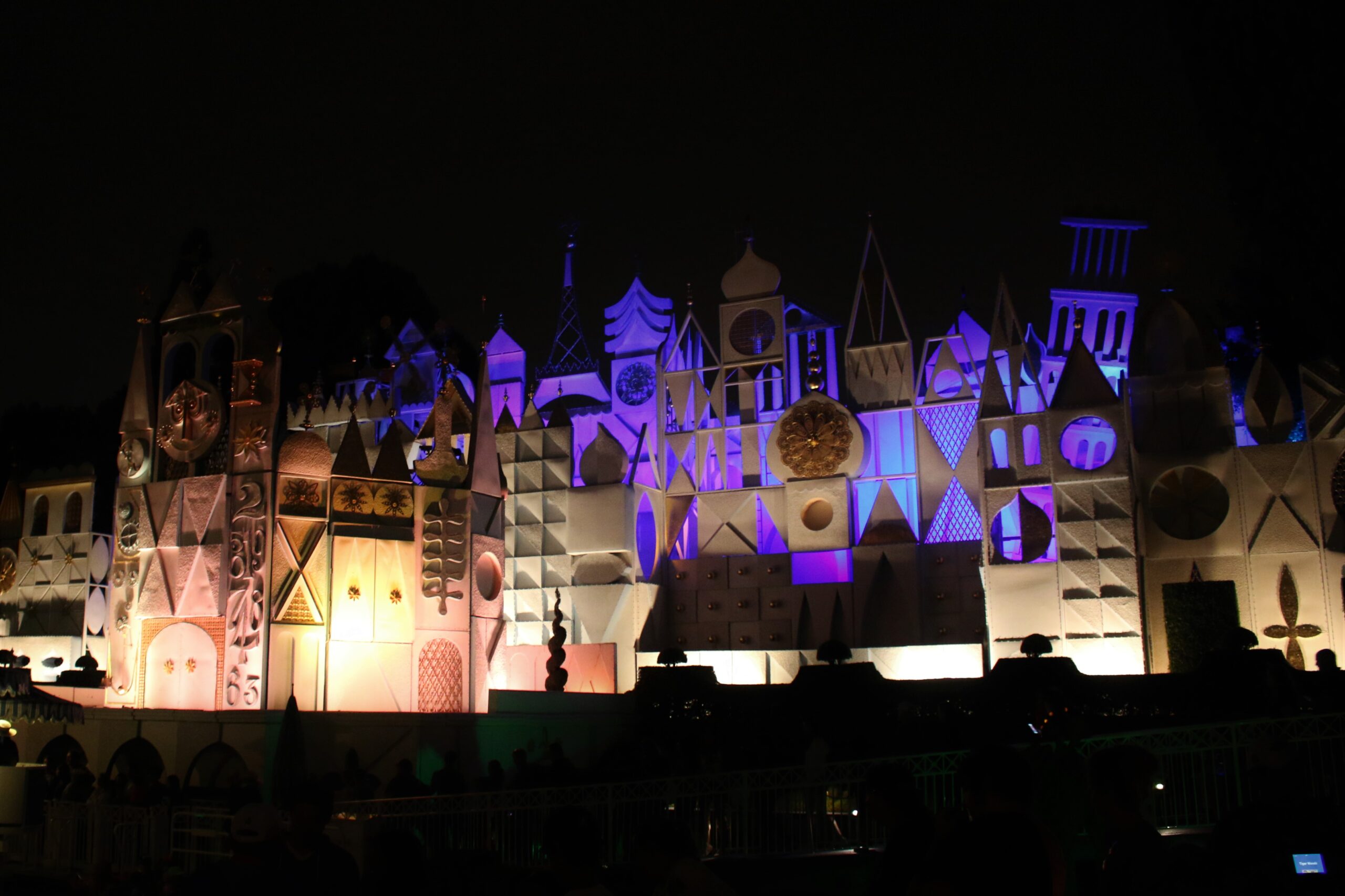
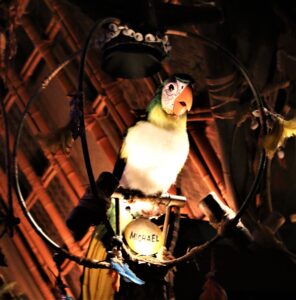
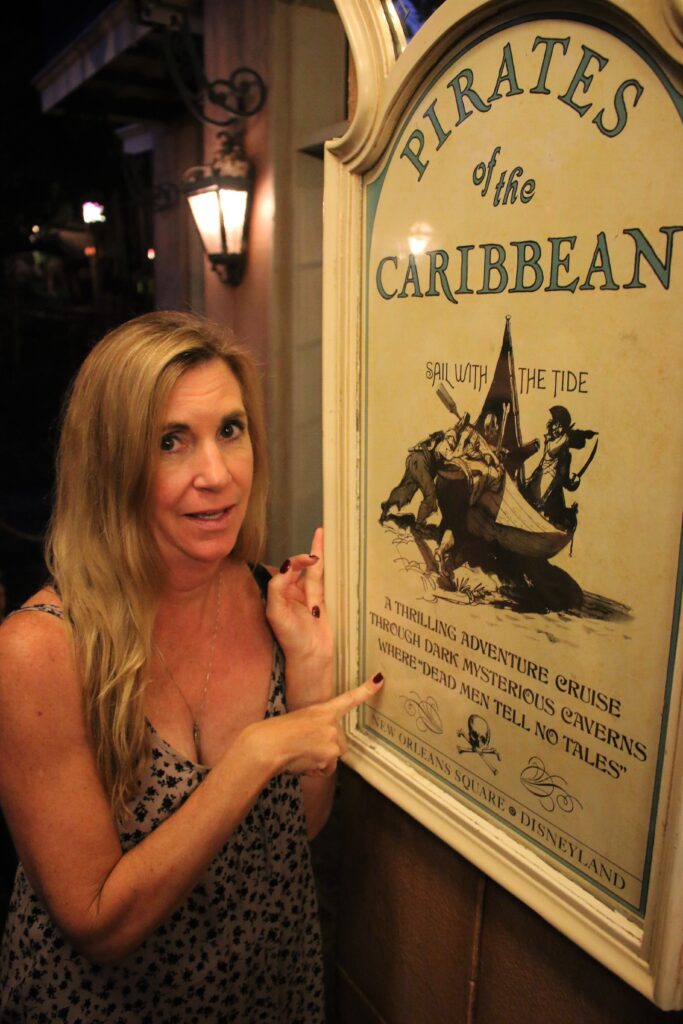
Disneyland, small world, The Jungle Book, Pirates of the Caribbean, Tiki Room, Small World, Disney, Anaheim, California, Southern If you’ve ever been to a Disney Theme Park, You’ll remember these.
“Yo ho, yo ho, a pirate’s life for me. We pillage plunder, we rifle and loot. Drink up me ‘earties, yo ho.”
“The boys in the back are called macaws. Because of their claws? No, because they’re macaws…In the Tiki Tiki Tiki Tiki Tiki Room.”
And, “It’s a world of laughter, a world of tears. It’s a world of hopes and a world of fears. There’s so much that we share, that it’s time we’re aware, it’s a small world after all.”
Now that you’re cursing me because you’re singing the songs, these are not really what inspired me to travel, it was the rides themselves and when I hear the songs, the images of the rides appear in my head.
On the first Saturday of each December, when my siblings and I were young, we would get to go to Disneyland in Anaheim. As kids, we would spend as much time dreaming of this day as we did waiting for Santa to arrive on Christmas Eve. Our tickets into the park didn’t allow us to enter until the evening so we would spend all day jumping around the house with excitement while our Mom yelled at us to take a nap. We didn’t need one. Adrenaline would get us through. Then the magic hour would arrive. We would all get bundle up because it was always freezing for skinny, little California kids and we would roll around in the back of the station wagon for 45 minutes driving to the enchanted land. (Seat belts were required back then).
I was inspired by not the Pirates of the Caribbean with their swashbuckling but the very first section of the Bayou where you hear the frogs and crickets and the lightening bugs swirl around you. The creaking of the dog’s rocking chair. These still want me to visit Louisiana, eating Jambalaya and crawfish until I burst.
The Tiki Room, persuaded me to visit Hawaii with its Polynesian culture. Women swaying, birds singing and smelling the magical aroma of the flowers while drinking a Mai Tai on the beach. Easter Island is still on the list.
On a local LA radio show, they had a contest to see how many times you could visit It’s a Small World before screaming, “Let me off!” I would have won. Each time, I go through it, I dream of seeing the Taj Mahal, visiting the Artic, the Alps, Africa, Holland, London and so much more. I want to visit all of the countries at the end of the ride that say good bye. Adios, au revoir, cherro, zàijiàn….
“Think of Christmas, think of snow, think of sleigh bells off you go, like reindeer in the sky, you can fly, you can fly….” I can fly!
If you love outdoor adventures—hiking through streams, chasing waterfalls, wandering among pine trees and cactus, and taking in sweeping desert panoramas—then Northern Arizona and Southern Utah should be at the top of your travel list. From vibrant red rock landscapes to dramatic canyon views, this region offers some of the most photogenic scenery in the American Southwest—no filter required.
The area is packed with world-famous national parks and natural wonders, each with its own unique beauty. Whether you’re planning a scenic road trip, a hiking getaway, or a photography-focused adventure, destinations like Grand Canyon National Park, Zion National Park, and Bryce Canyon National Park offer unforgettable experiences. Add in iconic stops like Antelope Canyon and Horseshoe Bend, and you’ve got the perfect mix of adventure, relaxation, and jaw-dropping views.
Below is an overview of some of the best places to visit in Northern Arizona and Southern Utah to help you plan your route and make the most of your trip.
They are out of order but I’ve included a driving map to lead the way.
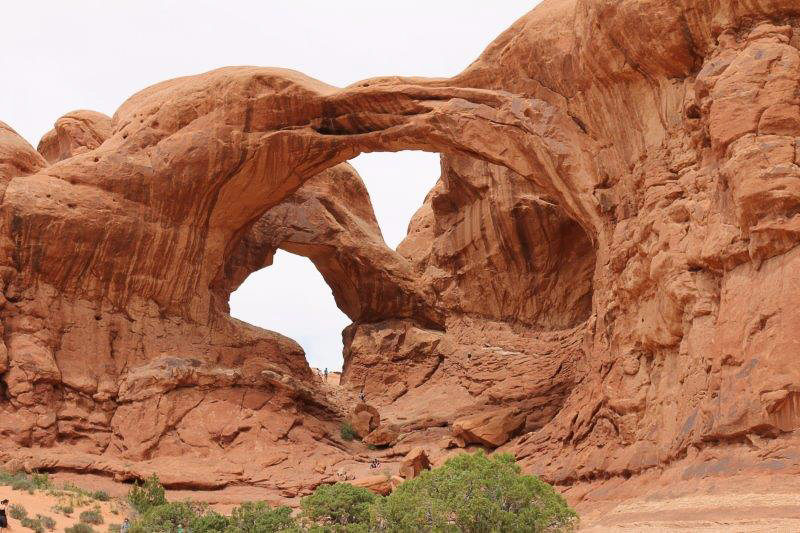
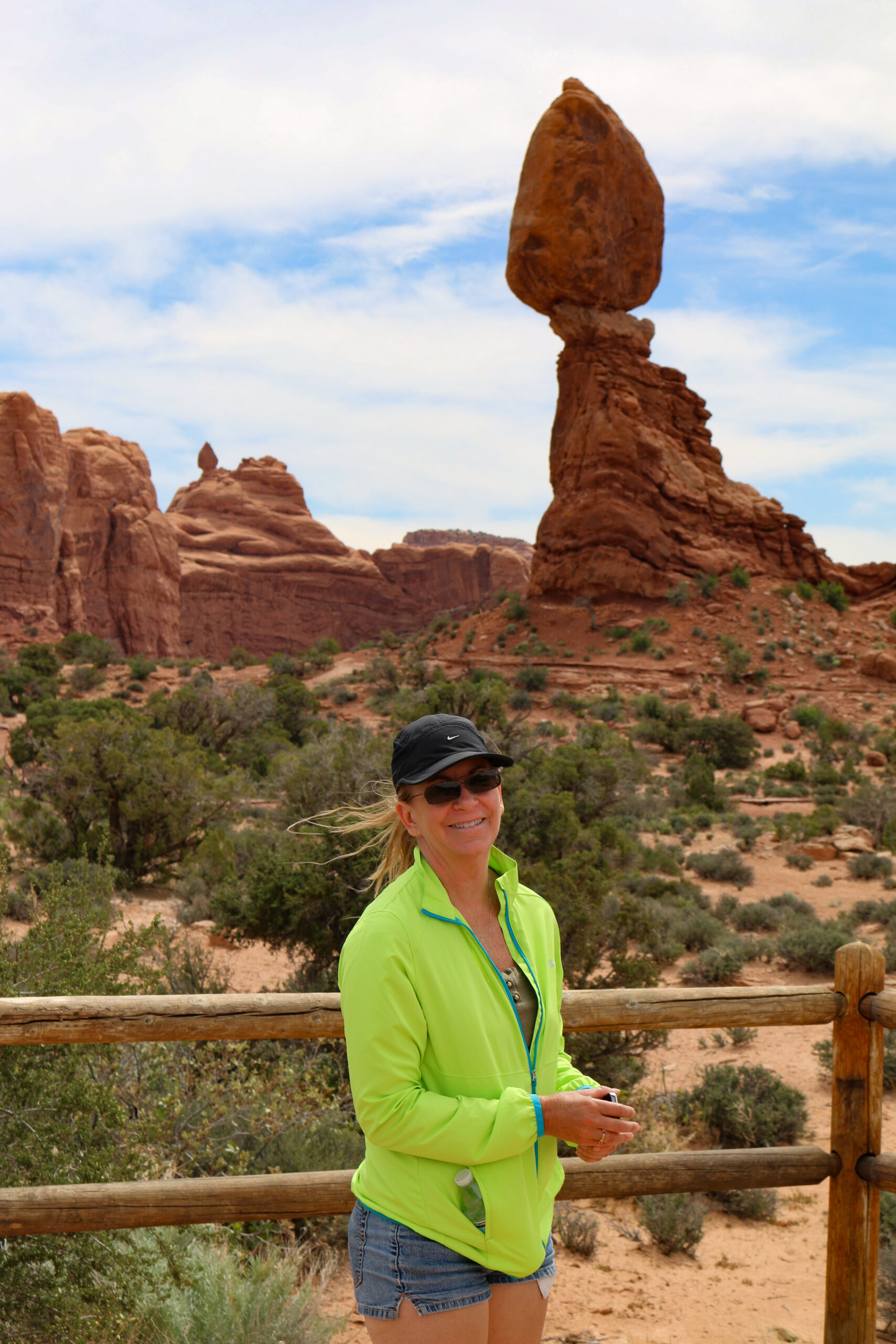
Arches National Park: Arches is aptly named for its overabundance of rock arches, in fact the Park has more than 2,000 of them. Within Devils Garden, spans Landscape Arch, which is the longest arch in North America extending 306 feet. At its narrowest spot, it is only 6 feet in diameter. Double Arch is also worth a stop. It soars 112 feet above ground and is 144 feet across. In Arches, there is a road that traverses through the park with many places to park along the way and walks that are easily accomplished by beginner and those with children. More challenging hikes are also throughout the park and lead to some of the lesser visited arches. Stop by the Ranger Station ahead of time to pick up a pamphlet. Camping is available but fills up quick.
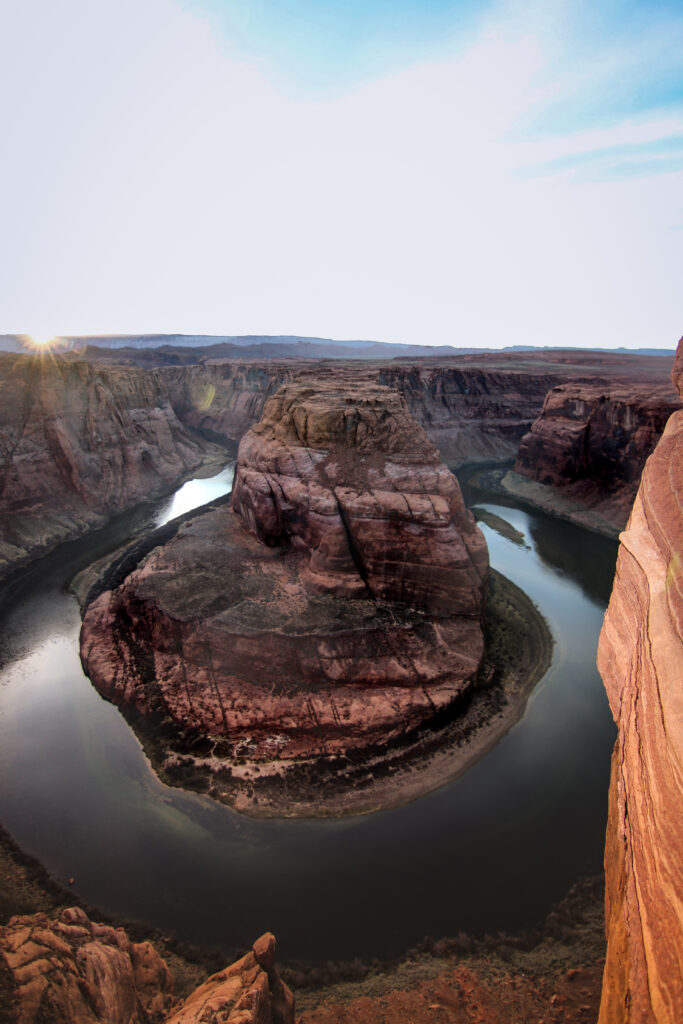
Antelope Canyonand Horseshoe Bend: I visited Antelope Canyon five years ago and it was crowded but not crazy. We went again last month, and that has changed. It’s testament to social media’s influence. Having said that, both are still worth a visit but be patient. There are people everywhere. These sites are located in Page, Arizona, along the Colorado River and near Lake Powell. Page was a sleepy little town but no longer. There are plenty of hotels to choice from and some decent restaurants. My favorite is a Mexican place called El Tapatio. The service and atmosphere is terrific and the food good. Horseshoe Bend is where the Colorado River makes a U-turn around an outcropping of rocks. We went during sunset but I think sunrise is probably less crowed. There is a parking lot with bathrooms and the walk to the Bend is short, about 1.5 miles round trip.
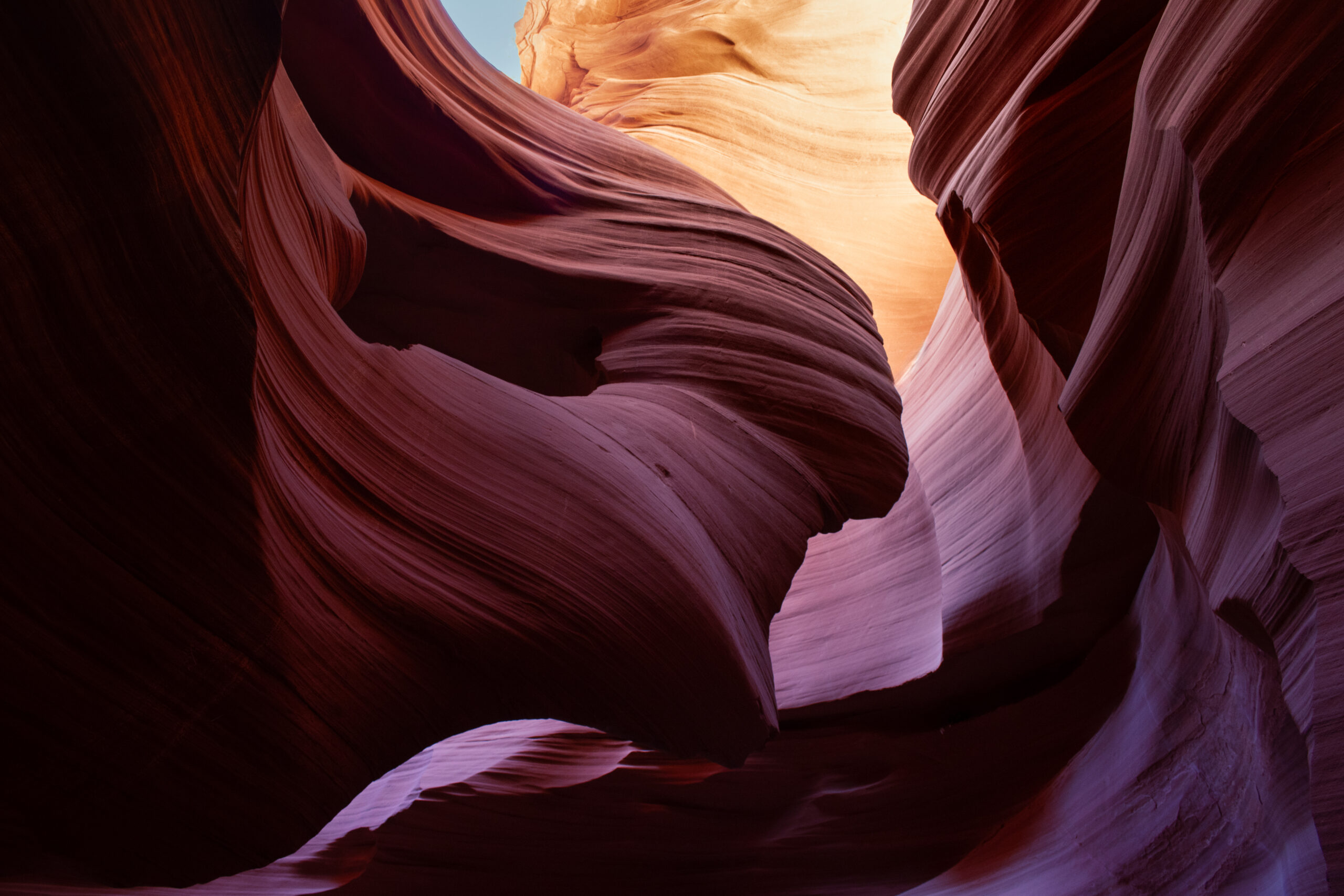
Antelope Valley has been made famous because of its two canyons that are divided into Upper Antelope and Lower Antelope Canyon. The colors of the sandstone rocks are orange and brown but a camera will change the colors depending upon how much light is hitting them, bright yellows for those with more light and deep purple for those in the shadows. Antelope Canyon is located on Navajo Indian land so you have to purchase a tour ticket to see them. I suggest you do this before you leave because they do sell out. There are a number of tour companies that are generally ran by just a few families.
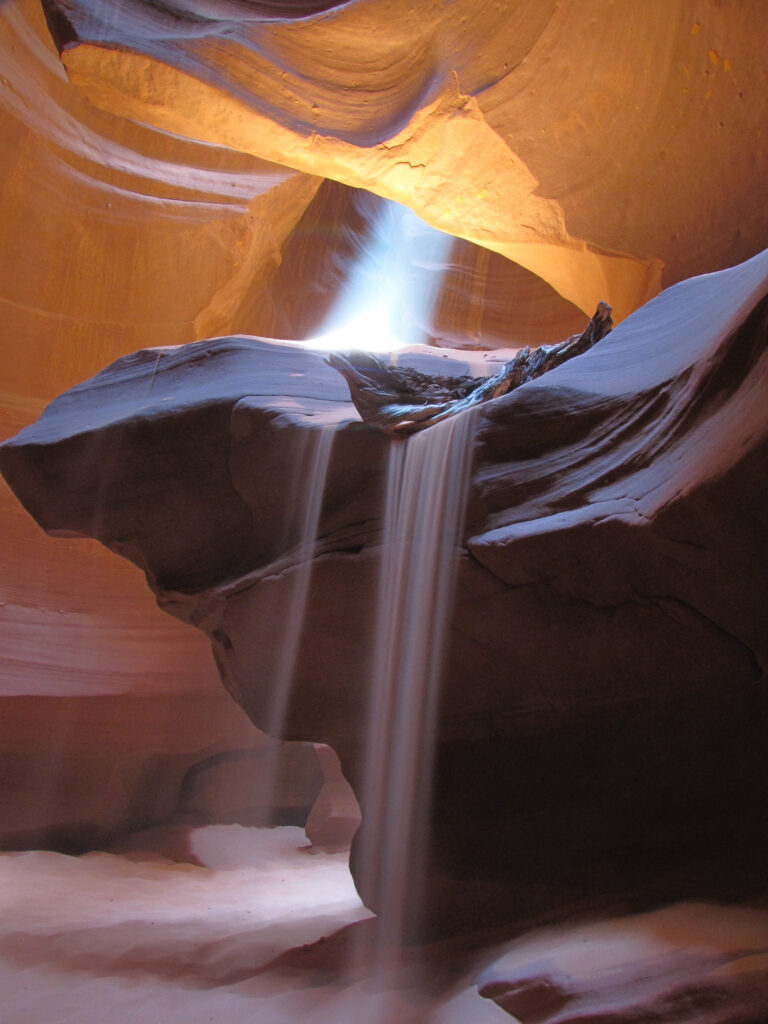
In Upper Antelope Canyon, rays of sun shine through the rocks creating beams of light that are particularly cool. For this reason, we spend the extra money to do a photo tour of Upper Antelope Canyon. You need a DSL camera and you can take your tripod. The guide will help you with the correct camera settings and making sure people don’t walk through your photo. They also know the exact time when the sun will shine through the rocks and will throw sand into the light beam making it more prominent on your photos. For this tour, you will take a short ride to site and then walk through the Canyon.
The Lower Canyon offers tours too but because of the number of people and the ladders to go in, out and through the Canyon, tripods and backpacks are not allowed. Our guide told us around 2,000 people a day go through Lower Antelope so expect lines and crowds. Luckily, if you’re a photobug like me, you’re shooting up the entire time so you can easily crop people out. Ask the guides ahead of time to set your camera, this works even if you’re shooting with a cell phone.
Note: Most tours require cash so be prepared.
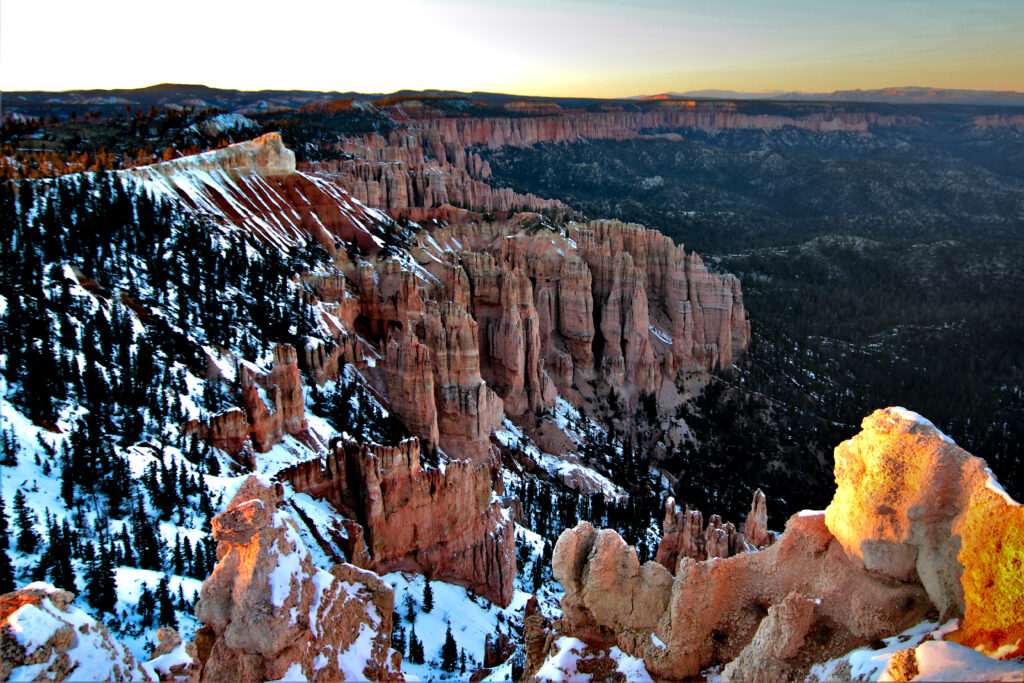
Bryce Canyon: Bryce Canyon has orange, white and red pinnacles called Hoodoos that soar throughout the park. If fact, Bryce has the largest collection of Hoodoos in the world. In the winter, the Canyon often showcases a dusting of snow and it can get quite cold. There is hiking, camping and a road that winds through it teasing you with a number of lookouts.
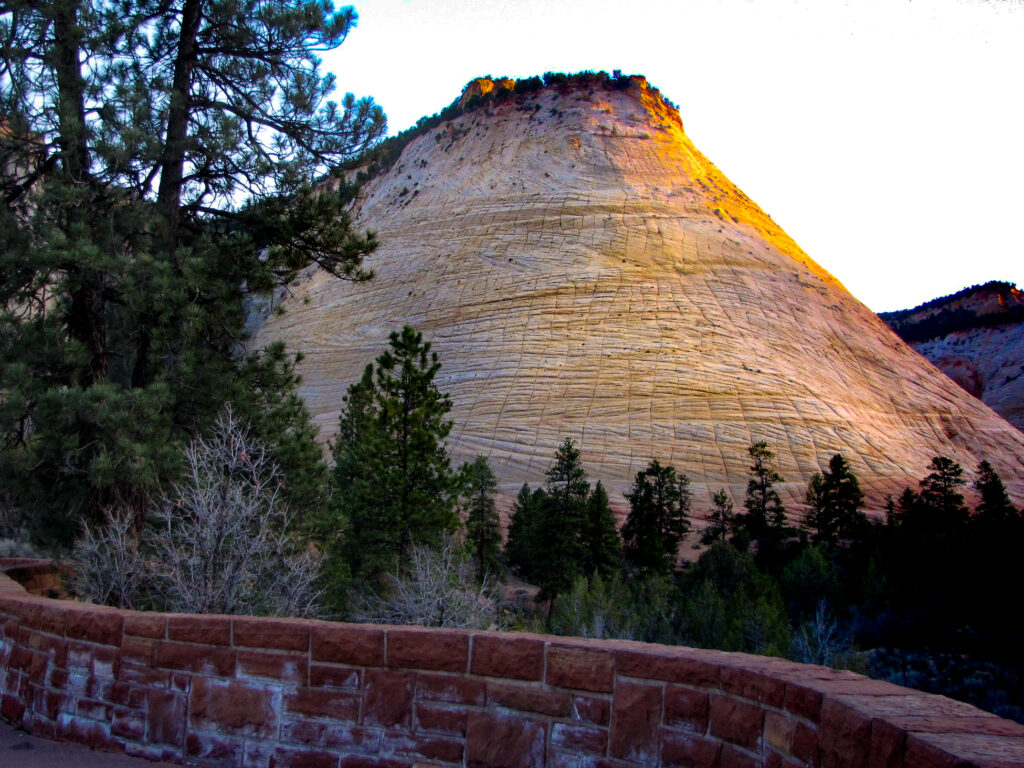
Zion Canyon: Zion Canyon is one of my favorite National Parks. It doesn’t have the colors of some of the other locations but its green, has a river and pine trees. You have to see the Great White Throne and Checkerboard Mesa. We camped a few times here when I was a kid and I always have loved hiking through the woods and along the river. During peak season, you will need to park your car and ride the shuttle bus through the park. The shuttle buses are free and make many stops along the way. You can hop on and hop off as you like taking hikes in between.
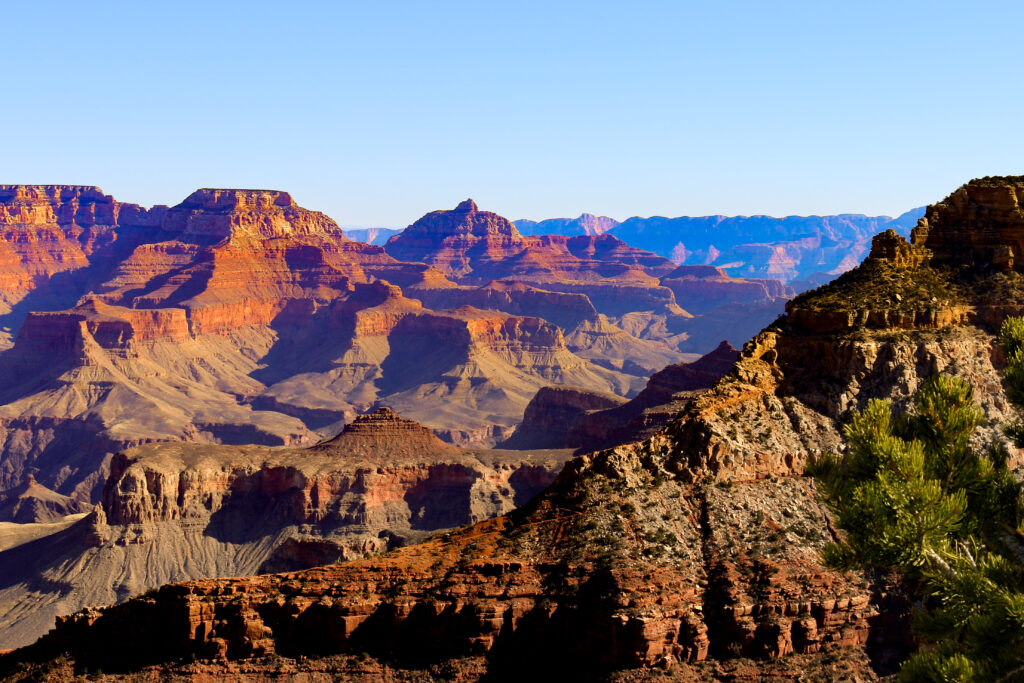
Grand Canyon: Of course the Grand Canyon is the mother of all of the National Parks in this area and there are a number of ways to see it. You can hike the Canyon both along the rim and at the bottom. You can raft down the river (generally, you need to make reservations a year in advance for this), see it by train via Williams, Arizona, or drive through and stop along the way. I’ve driven along the south side stopping and taking short hikes which are always fun and also taken the train from Williams to the Canyon for the day. No matter which you choose, the Grand Canyon is awe inspiring and literal took my breath away the first time I saw it.
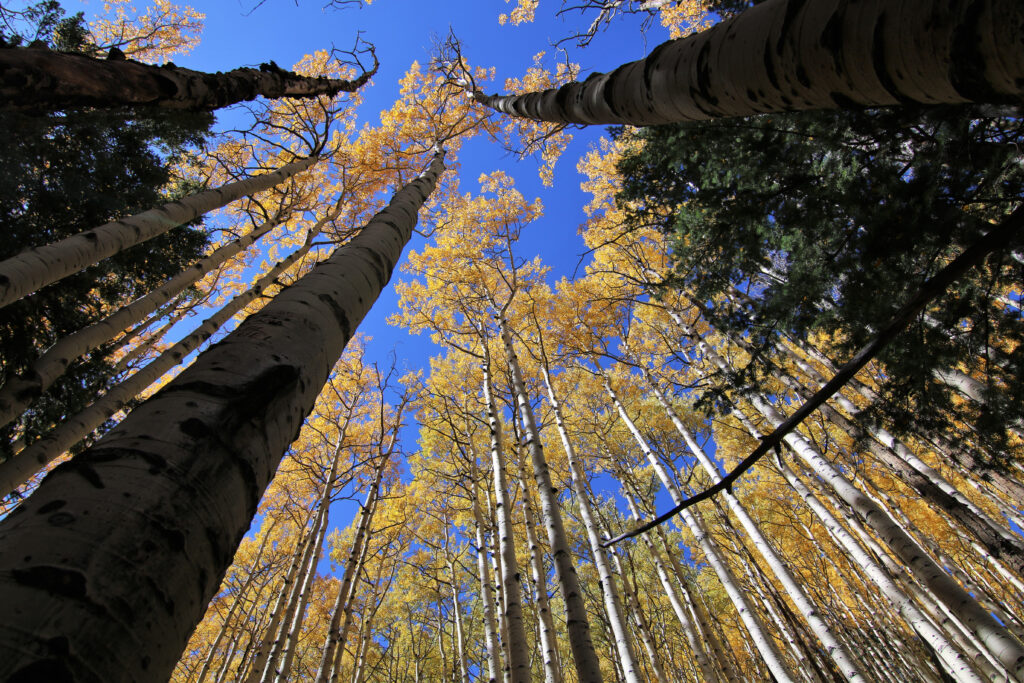
Flagstaff: You can’t write an article about this area without mentioning Flagstaff. We always stay here along the route. Flag, as the locals call it, has a quaint downtown with delicious food and a variety of hotels. Last time we drove though, we stayed at the Hilton Garden Inn. The hotel has a fireplace and cozy furniture so we ended up not leaving for dinner and just staying here reading in the lobby and getting dinner at the bar. Another local restaurant I love in Flagstaff is Black Bart’s Steakhouse. It’s a restaurant that caters to tourist but unlike other tourist restaurants, the food here is really good here. They have waiters and waitress that sing on stage in between serving your food. A lot of them go to the local university and are really good. During the fall, Flagstaff has bright, yellow Aspens that dot the hills and it’s known for its skiing and snowboarding.
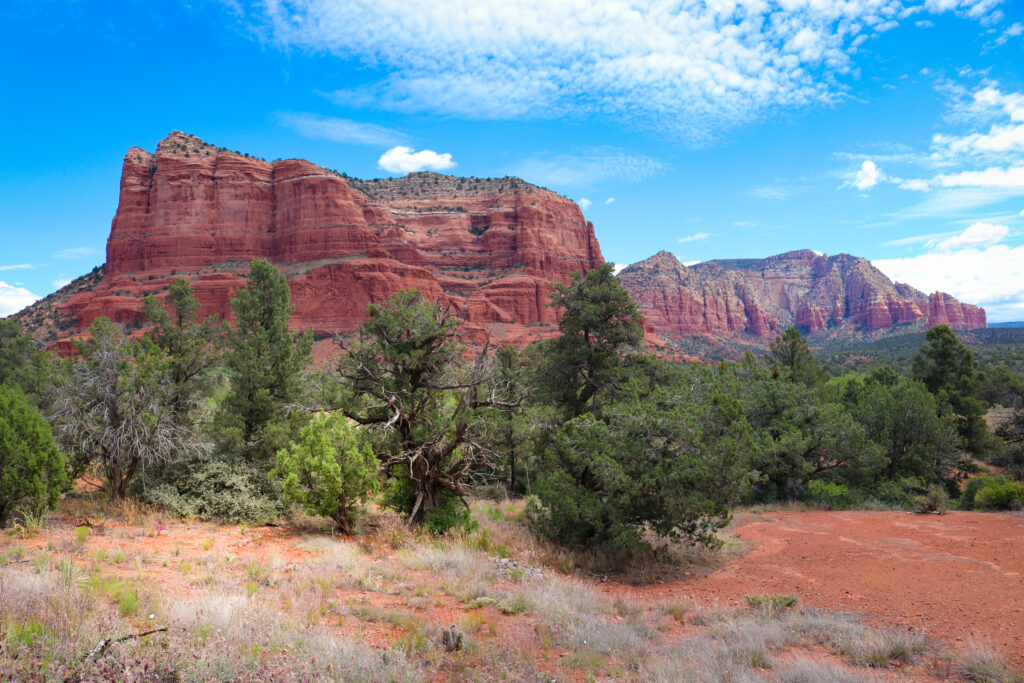
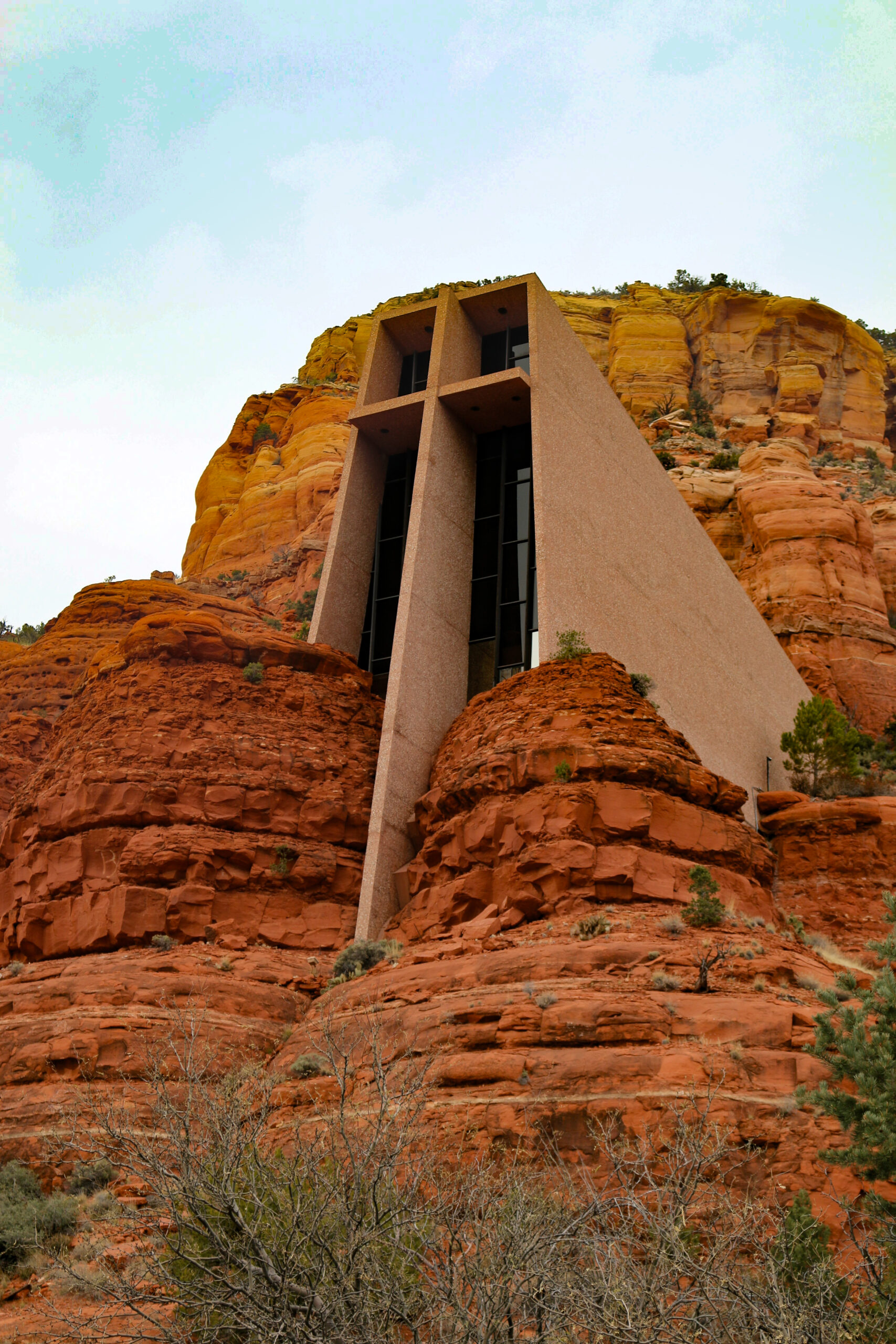
Sedona: Sedona is the gateway to northern Arizona and southern Utah. Here the red rocks start to pop out of the ground giving you a glimpse of the beauty to come. People go to the Mesa Sedona Airport to view the sunset. It costs $3 to park but worth the view as you look down upon the town. Another place to visit here is the Chapel of the Holy Cross built in the side of the hill in 1956, the Chapel hangs over the cliff and you can walk through it. Additionally, Sedona has hiking trails and you can take jeep tours through the area. There are two state parks, Red Rock and Slide Rock.
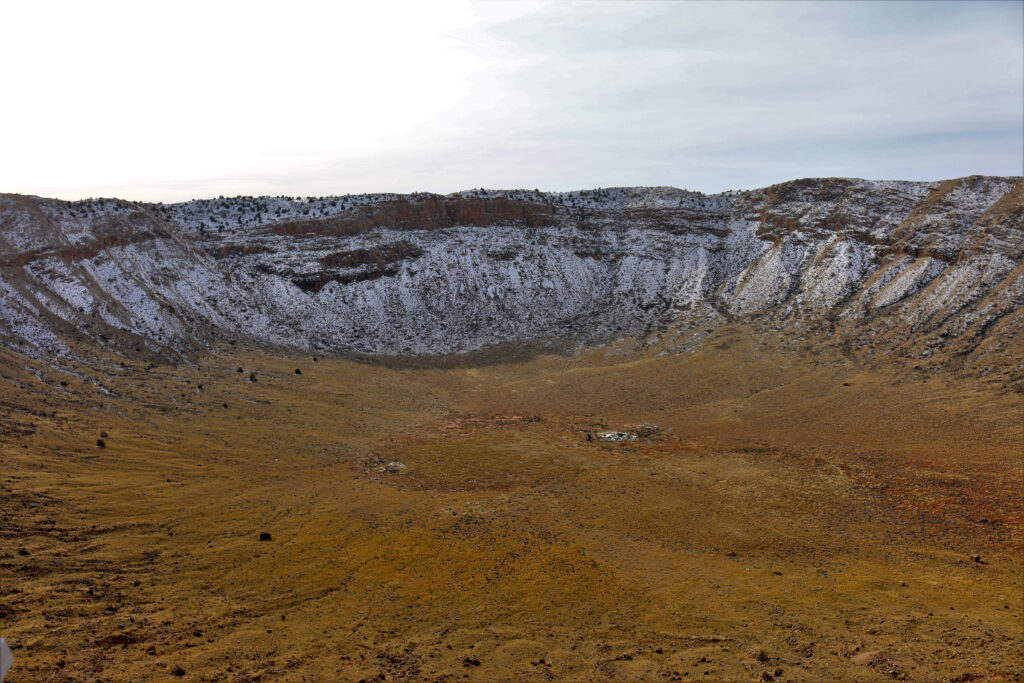
Meteor Crater: A large hole in the ground doesn’t sound very exciting but we all agreed we really liked this excursion. The Crater is nearly one mile across, 2.4 miles in circumference and more than 550 feet deep. Tours for adults are $18 and kids are $9. The price is really worth it as you walk around the Crater, the guide explains the geology of the rock, why they know it was a meteorite that caused it and how they proved it.
This trip never gets old and there is always something new to explore. Have fun!
Arizona is known for its brilliant sunsets, colorful rock formations, and warm desert nights. While many travelers head north of Phoenix to visit the iconic Grand Canyon and the tri-state region, one of the most beautiful—and often overlooked—areas of the state lies in Southeast Arizona.
This region offers the same dramatic landscapes and desert beauty, but with far fewer crowds. If you’re looking for a more relaxed Arizona travel experience filled with scenic views, outdoor adventures, and peaceful desert towns, Southeast Arizona is a perfect destination.
Why Visit Southeast Arizona?
Whether you’re planning a quick weekend getaway or a full week of exploring, Southeast Arizona offers plenty to see and do. From scenic drives and hiking trails to wildlife watching and historic towns, the region provides a diverse desert experience.
One of the best times to visit is summer. While many parts of the country experience humid heat, Southeast Arizona stays noticeably cooler thanks to its higher elevation. When temperatures climb to 112°F in Phoenix and around 102°F in Tucson, towns like Sierra Vista often remain in the low 90s, making outdoor exploration much more comfortable.
Summer Monsoons and Desert Rainbows
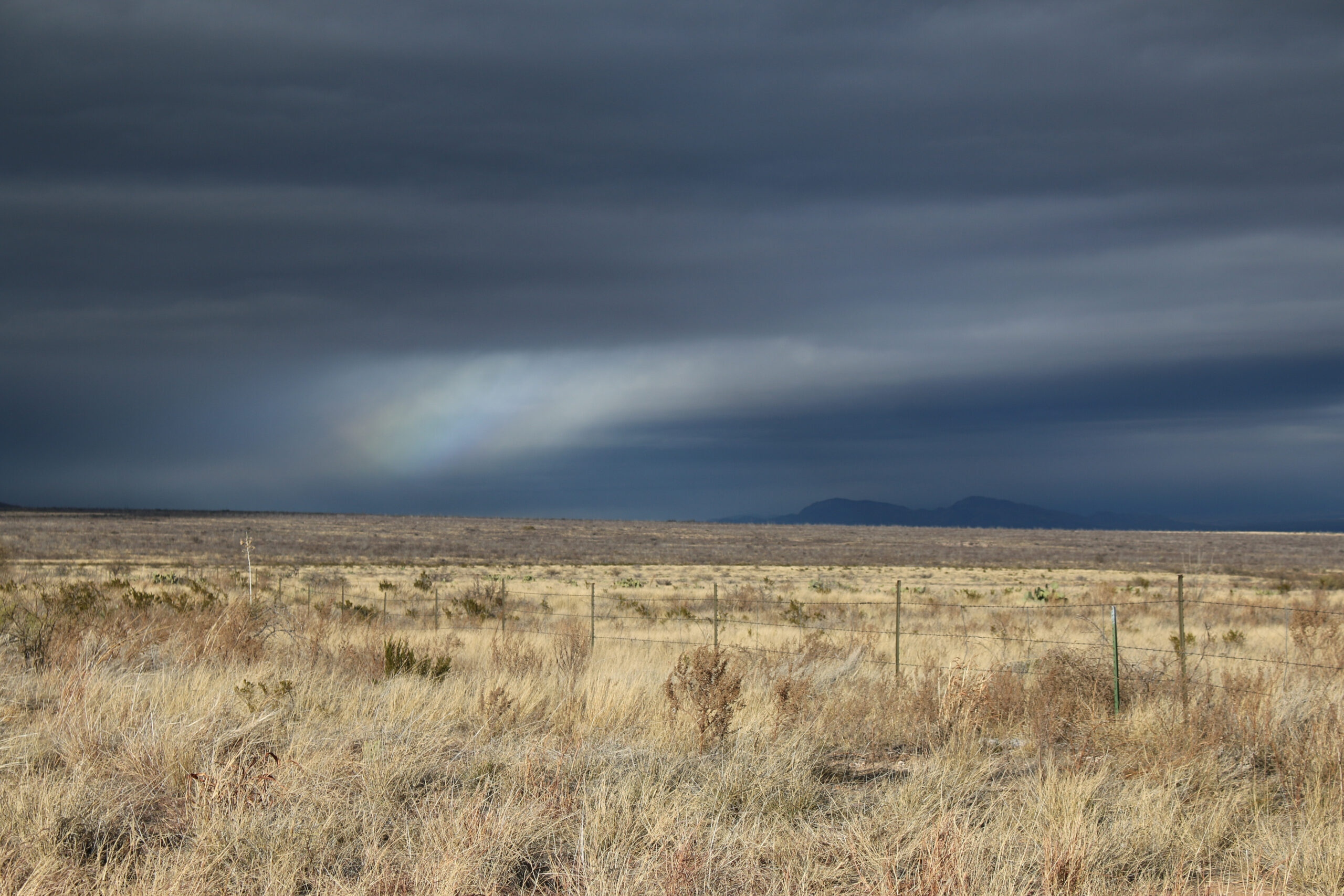
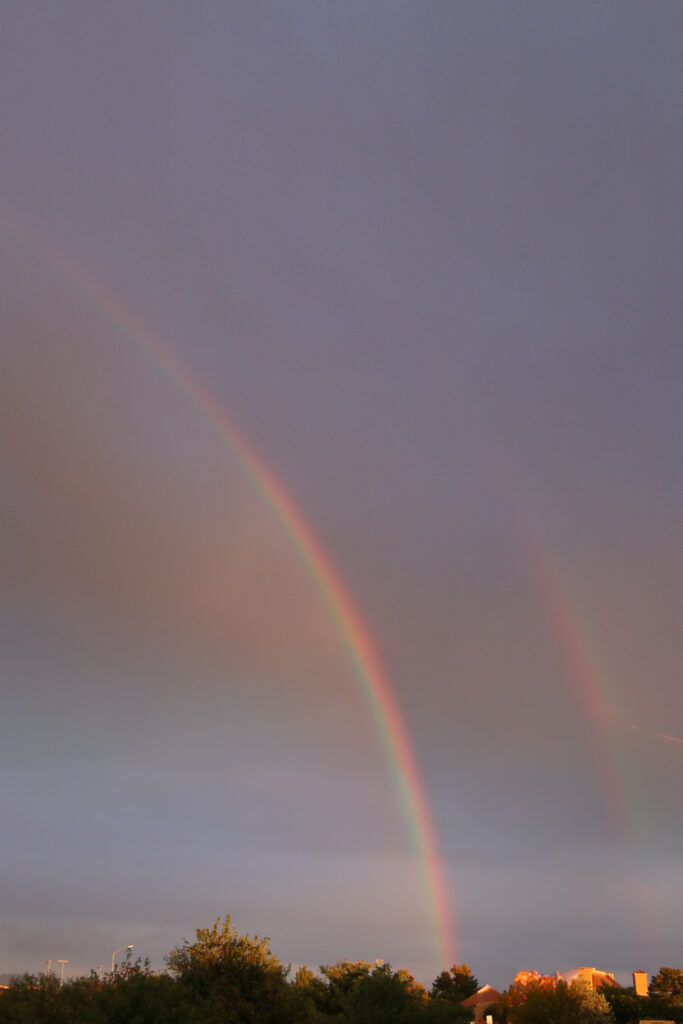
Summer also brings one of the region’s most spectacular natural events—the Arizona monsoon season. Afternoon storms roll dramatically across the desert sky, creating incredible lightning shows, cooling rains, and some of the most vibrant rainbows you’ll ever see. For photographers, nature lovers, and anyone who appreciates dramatic skies, Southeast Arizona in the summer is unforgettable.
A Hidden Gem Worth Exploring
From cooler mountain towns to wide-open desert vistas, Southeast Arizona offers a side of the state that many travelers miss. With fewer tourists, breathtaking scenery, and unique summer weather, it’s a destination that truly has something for everyone.
Having lived in Sierra Vista, here are some of my recommendations.
From cooler mountain towns to wide-open desert vistas, Southeast Arizona offers a side of the state that many travelers miss. With fewer tourists, breathtaking scenery, and unique summer weather, it’s a destination that truly has something for everyone.
Having lived in Sierra Vista, here are some of my recommendations.
Cave Dwellers
Between Interstate 10 at Benson and Sierra Vista, you can visit Kartchner Caverns State Park, voted as one of the top 10 caves in the U.S., Kartchner Cavern is an actually living cave. This means its’ still growing and changing with stalagmites and stalactites. They have two tours, one of which the highlights is the throne room and Kubla Khan, the largest column formation in Arizona.
Check the website before you go as tours can be limited when the bats are hibernating. You might also want to buy your tickets on line as they are often sold out. The Cave was discovered in the 1970’s and is very much protected so you can’t take photos inside. They also offer camping.
Wanna be Cowboys and Cowgirls
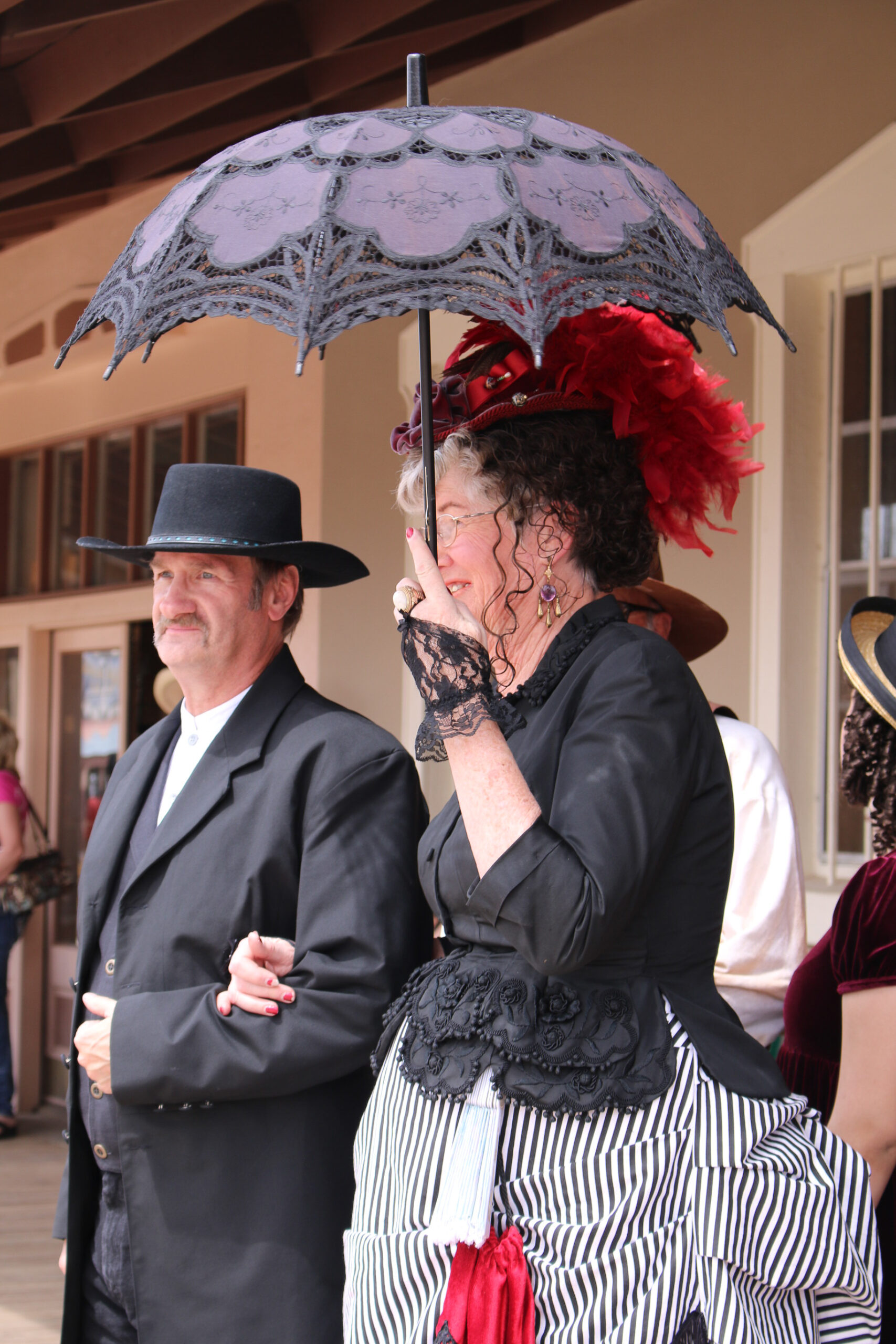
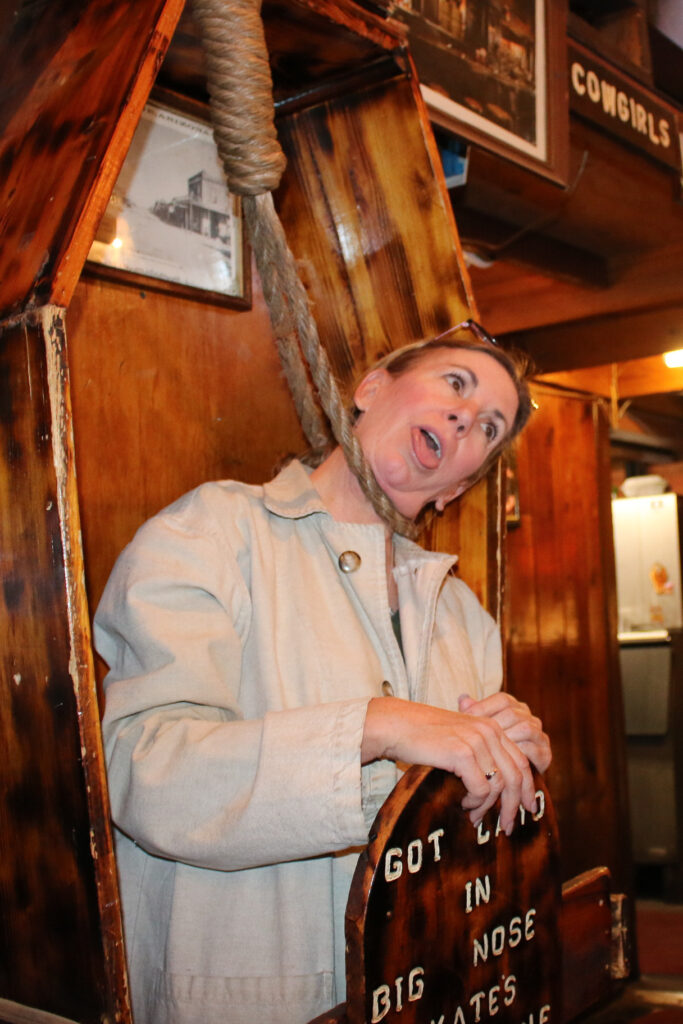
Southeast Arizona is home to the OK Corral located in Tombstone. This is where Wyatt Earp and the Earp brothers had their last shoot out. Personally, I’m partial to Doc Holliday. It may just be the blockbuster movie with Val Kilmer, Curt Russ and Sam Elliott but I really appreciate Doc’s attitude toward life. I digress. While a little touristy, Tombstone is alive and well with boots, spurs, horses and shootouts every day. There are shows for the kids and history lessons for the adults. If you have teenagers, I recommend watching the movie before you go. (It’s R rated.) My kids loved seeing the buildings they watched on tv the night before and it provided them some context for their visit. To get the real feel of the town, I recommend going to the Big Nose Kate’s for a sassafras (rootbeer). They’ll make a float if you ask them. Kate is reported to be the first prostitute in Tombstone and she was Doc’s girlfriend. Also, the Bird Cage Theatre has a museum. There are more than 140 bullet holes in the building.
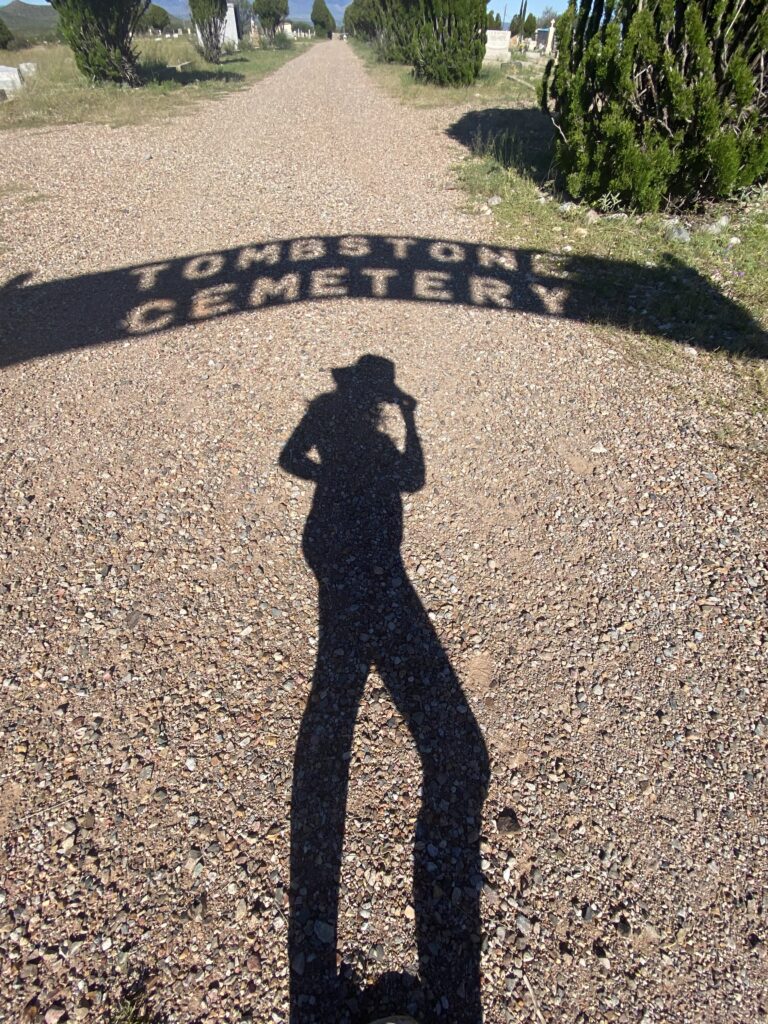
The admittance is a little pricey but they give discounts to families. Skip the graveyard in Tombstone and instead visit Boot Hill on the edge of town. It’s got a view and its fun to look at all of the old grave stones. Prices range from $9 to $12.
Miners
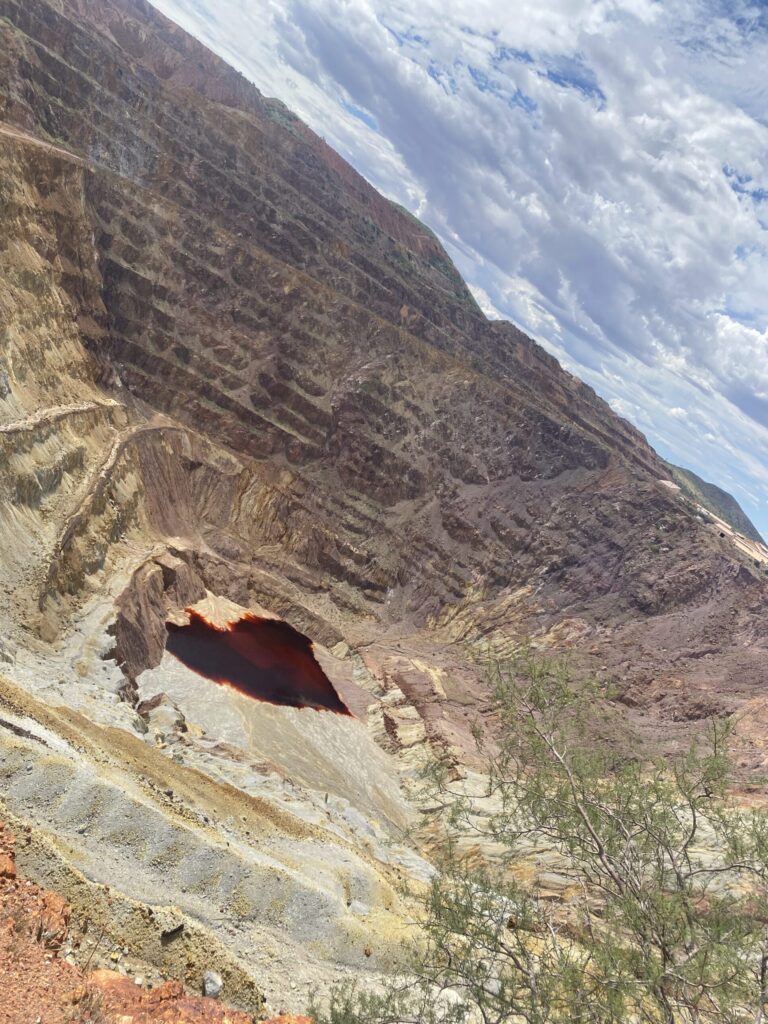
f you never been in a mine, Bisbee is where you want to go. The town is built on the side of a mountain and takes you back to the 1880 with gold, copper and silver. Before entering or while leaving the town, visit the Lavender Pit. While you wouldn’t think much of a hole in the ground but it has lots of beautifully colored rocks. It also gives you a sense of how devastating mining was to the environment in the old days.
I
I Before you go, reserve a tour ticket for the Queen Mine Tour. You don’t have to pay online but they may be sold out for the day. The mine tour takes you down 1,500 feet via a mining tram car. My 10-year old nephew loved wearing the hard hat, miners light and jacket. Beware though it is not for the claustrophobic. Afterward, head to the town and walk the vintage antique shops. If there your there for breakfast, I’d recommend Ana’s Seasonal Kitchen. The restaurant is very small but the food is amazing. I had pancakes with bananas and a sauce that was to die for. Other good places for lunch or dinner are Café Roka, a little pricy but good and Santiago’s for Mexican food. I’ve also had burgers at the Copper Queen and they are good for bar food. You can sit on the patio and watch people walk by.
Star Gazers
No matter where you visit, if you’re from the city, get out of town one night and drive toward the darkness. It doesn’t really matter where, there are plenty of places to pull off the side of the road. I suggest heading east. Find a place to park before the moon comes up and enjoy the starry, starry night!
History Buffs
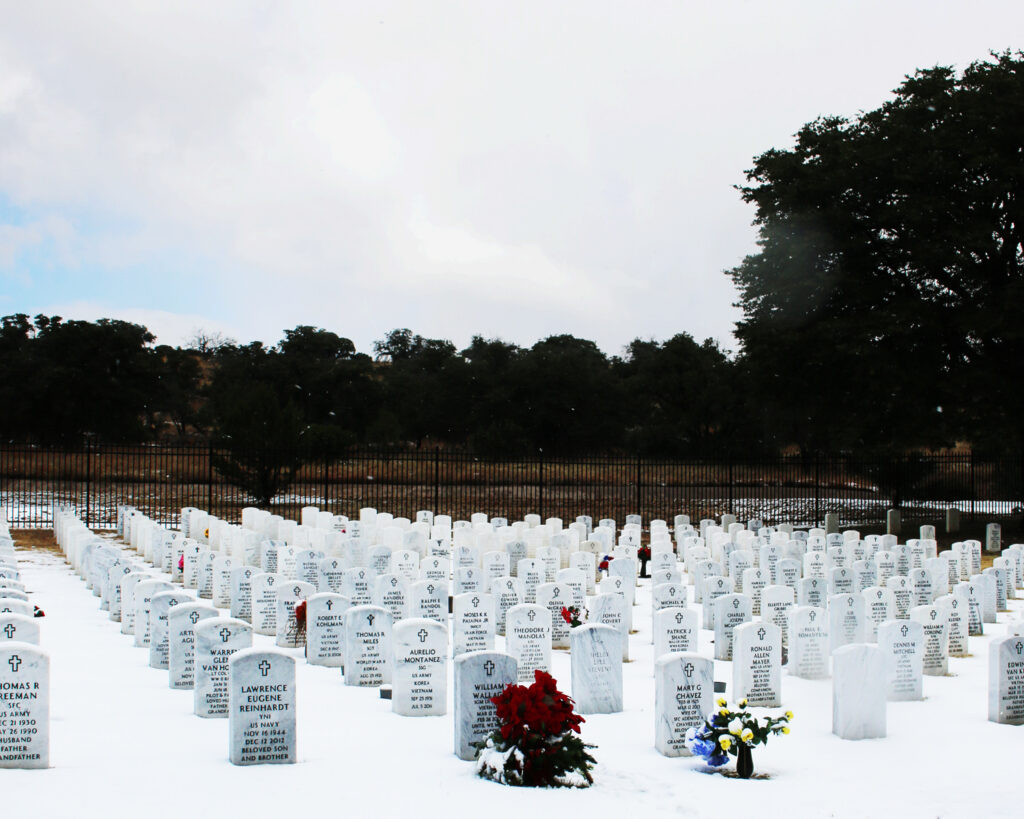
Visit Fort Huachuca! The Fort is an army post and is home to all of the Buffalo Soldier regiments. The Fort originated in 1877 to stop the Apache raiding parties from Mexico. Geronimo surrendered in the area and had his last hide out in Southeast Arizona. Regardless of your political beliefs, the history is fascinating as well as the current missions of the Fort that include: unmanned aerial systems, intelligence, cybersecurity and electronic warfare. The Fort has two museums focusing on military intelligence and the Buffalo Soldiers.
If you’re a U.S. resident with ID, you can get a day pass to get onto the facility pretty quickly. Go to the Van Deman gate. There is a trailer off to the side. You can tell the guard you are there to visit the museum. If you’re not a U.S. resident, you should call ahead. For more information, visit: http://huachuca-www.army.mil/pages/des/accesscontrol.html. Note: Access may have changed since this post was written.
Where to Stay
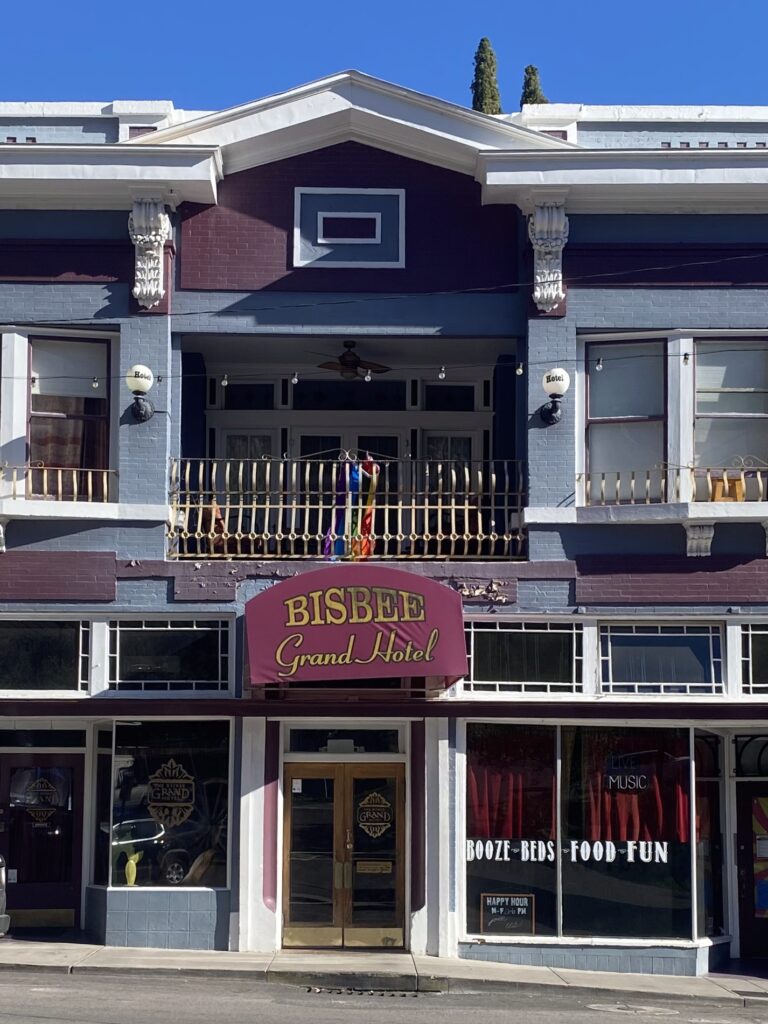
Sierra Vista is the best place to stay. It’s in the middle of everything and you can road trip it from there. It offers all of the hotel brands but if you want a clean non-brand hotel, try Sierra Suites. If you’re looking for something more eclectic, stay in Bisbee, there a number of old hotels within the downtown area. The most famous is the Copper Queen although I’ve never stayed there. It was built in 1880 by the Phelps Dodge Mining Company and like a lot of old hotels is reported to be haunted. Bisbee is also known for its weekend music scene; you can walk to most places if you stay downtown.
When visiting Boston, one dish stands above the rest—classic New England clam chowder. Rich, creamy, and packed with flavor, this iconic comfort food is a must-try for any foodie exploring the city.
Every restaurant in Boston puts its own spin on clam chowder. Some serve it extra thick and hearty, while others add more vegetables or a lighter broth. Whether you prefer crackers or enjoy it the traditional way, tasting different versions is part of the fun.
During our trip, clam chowder quickly became a nightly staple—and surprisingly, our favorite bowl came from Hyatt Regency Boston. It just goes to show that some of the best food experiences can be found where you least expect them
And, at the same time Boston is so much more…. It’s a city of American heritage. You can walk the 2.5 miles of historic sites along the Freedom Trail to learn about the American Revolution and truly, no matter where you go within the city, you will stumble along some part of the trail.
Knowing that we would only spend a few days in Boston and that we would be walking everywhere, I did something I rarely do and mapped out our adventures.
Side note: We unfortunately, flew to Boston during a snow storm and our flight was diverted to JFK airport in New York. Alas, all was not a complete loss as the TWA Hotel located there is my one of my favorite places so we walked on over and had a drink in the “Connie,” an old Constellation aircraft that has been converted to a bar and the next morning instead of flying, we decided to take the train up to Boston and forego the constantly delayed plane trip.
Once in Boston, the sightseeing began. Because it was early in the year and just coming out of Covid, some of the places we wanted to see were not open. Here are some suggestions if you’re ever in the town.
Granary Burying Ground
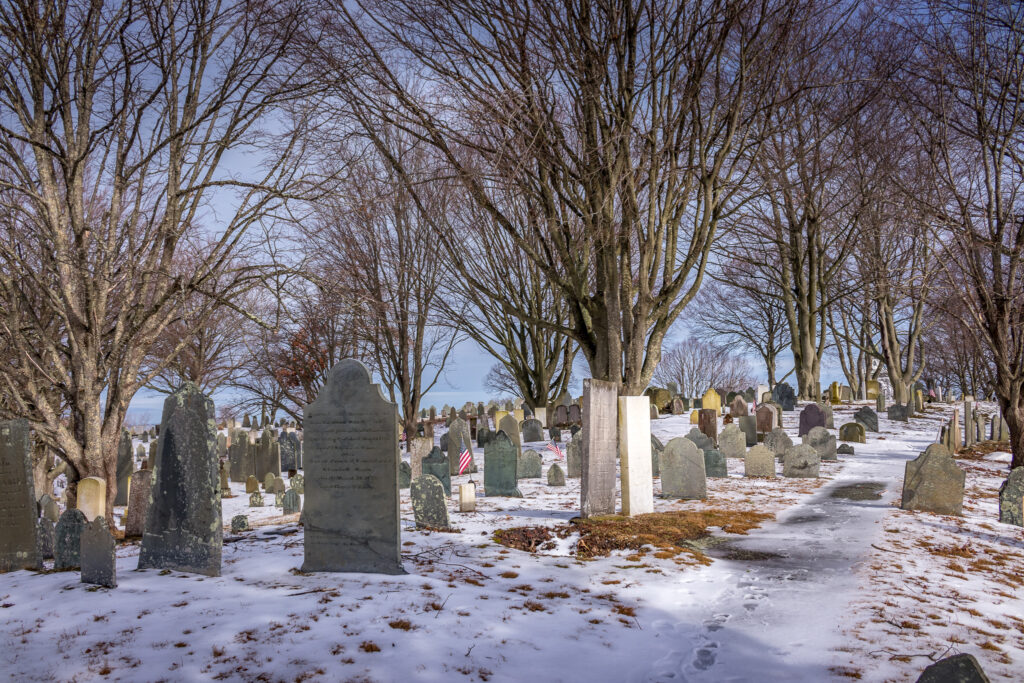
The Granary Burying Ground is an old cemetery, right in the middle of Boston. It’s surrounded by tall buildings. Some of the famous people buried there include the “real” Mother Goose, Benjamin Franklin’s parents and Paul Revere along with John Hancock and Samuel Adams, both signers of the Declaration of Independence.
Boston Commo
Boston Common is the oldest park in America. Colonial Militia meet here to prepare for the American Revolution. In the 1860, Civil War recruitments and anti-slavery meetings were held within the Park and during the World Wars, it was used for Victory Gardens and the railings surrounding the were donated toward the war efforts. Today, the park is a gathering place to relax and let the dogs play together. In the winter, there is an ice rink.
Acorn Street
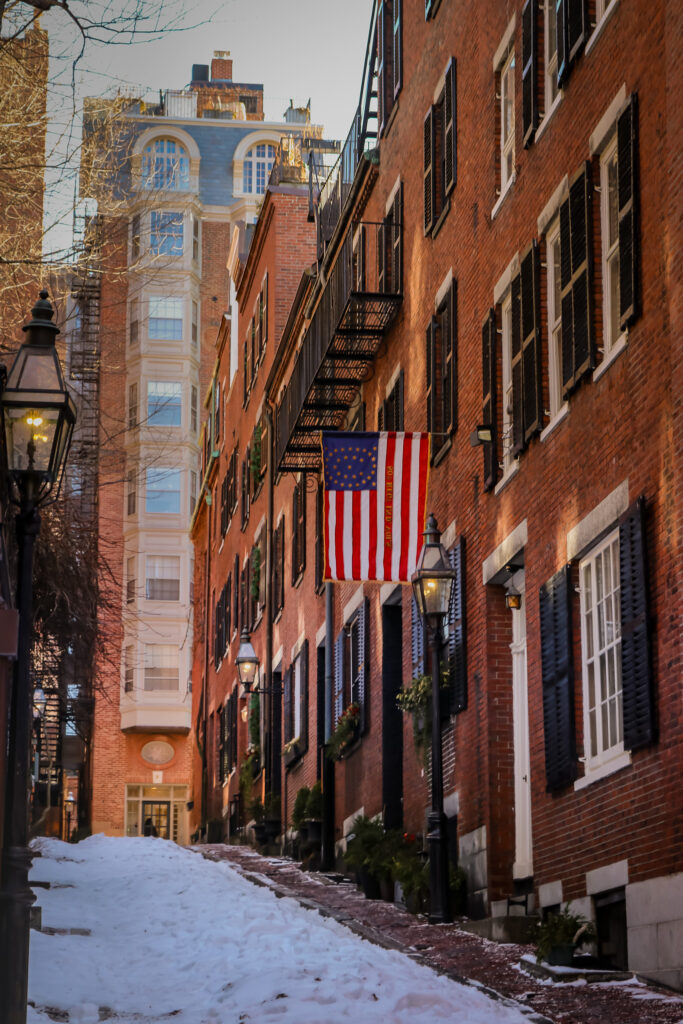
Built in 1823, this almost 200-year-old cobblestoned street of row houses offers a look back to Colonial Times in Boston. The homes here are decorated with flowering pots and American Flags. It’s one of the most photographed streets in Boston.
Trinity Church
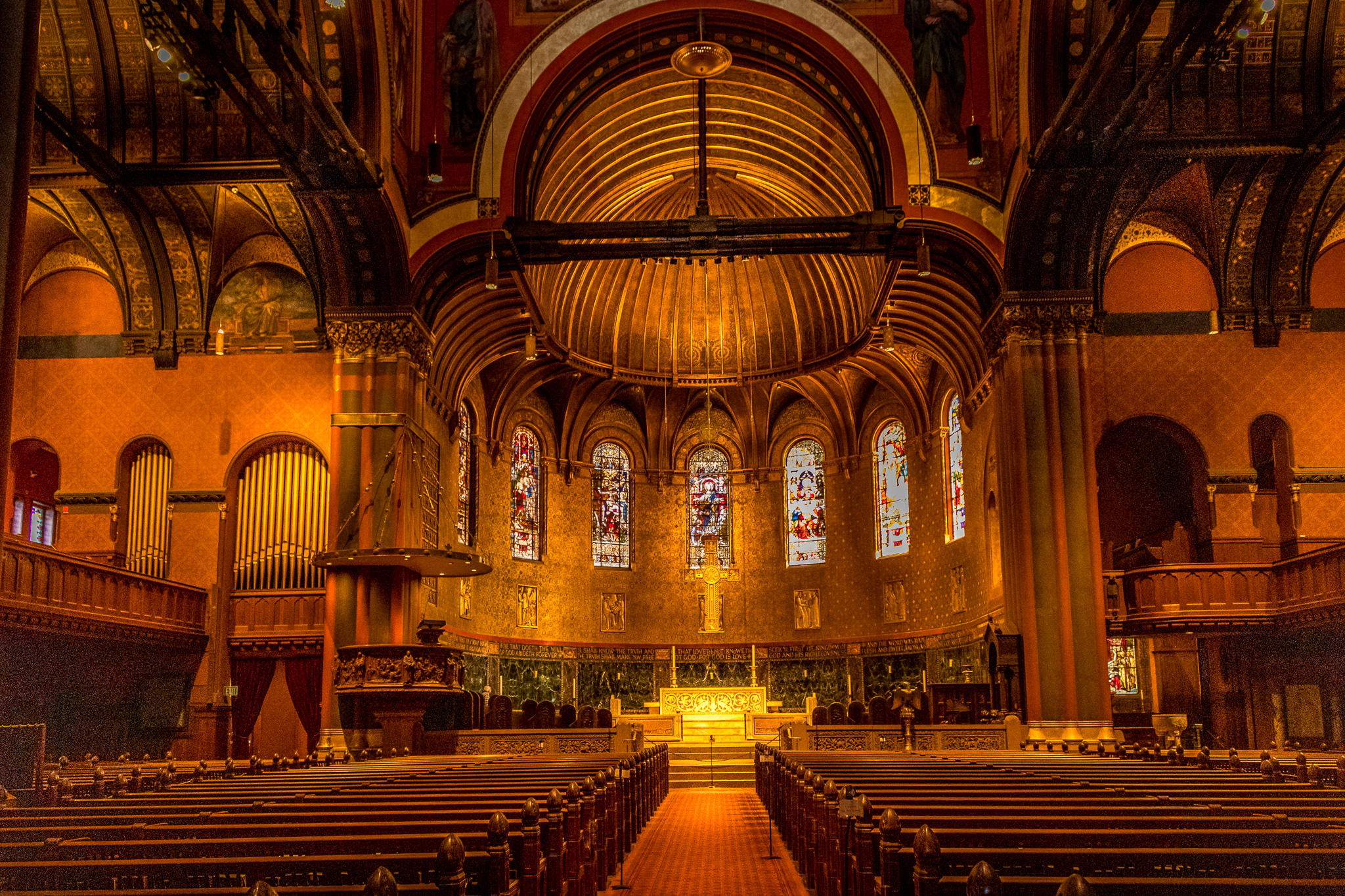
Trinity Church was built between 1872-1877 and is a parish of the Episcopal Diocese of Massachusetts founded in 1733. The Church is open for tours and to just visit but there is a nominal fee. The hours are Thursday-Saturday 10 am-5 pm.
Old South Church
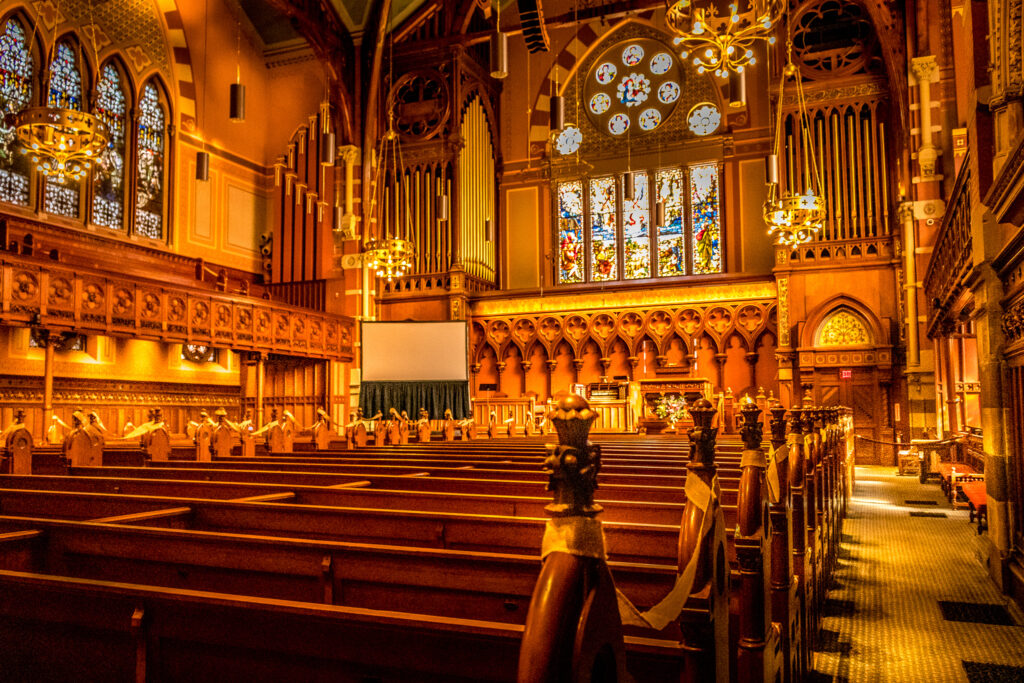
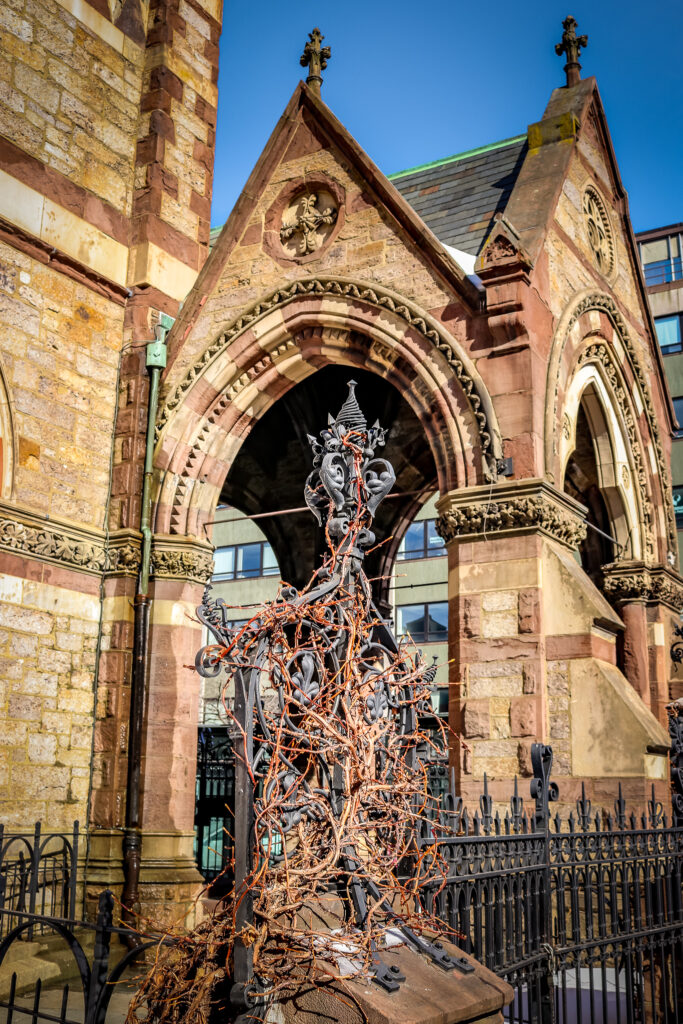
Across the street from the Boston Public Library and just steps away from Trinity Church is Old South Church built in 1669. Not only is it older than the more famous Trinity Church, I actually liked this church better for two reasons. First, because I got to see John Alden’s, gravestone hanging on the wall outside of the main door. He’s one of my relatives who traveled to America on the Mayflower and married Pricilla Mullins. There is an old Henry Wadsworth poem about them, called the Courtship of Miles Standish. Miles asks John to speak to Pricilla on his behalf, asking for her hand in marriage. John goes to talk to her but ends up proposing himself and they get married. The story could be fictional but it goes to show you, love triangles in America started a soon as they arrived. Alden’s grave marker was found in buried in the dirt when the city installed a new street. The second reason I love this church is because the inside consists of intricately carved wood. There are acorns, leaves and small animals within the wall trim and the pews are gorgeous. If you only have time for one church, this is a must see.
Boston Public Library
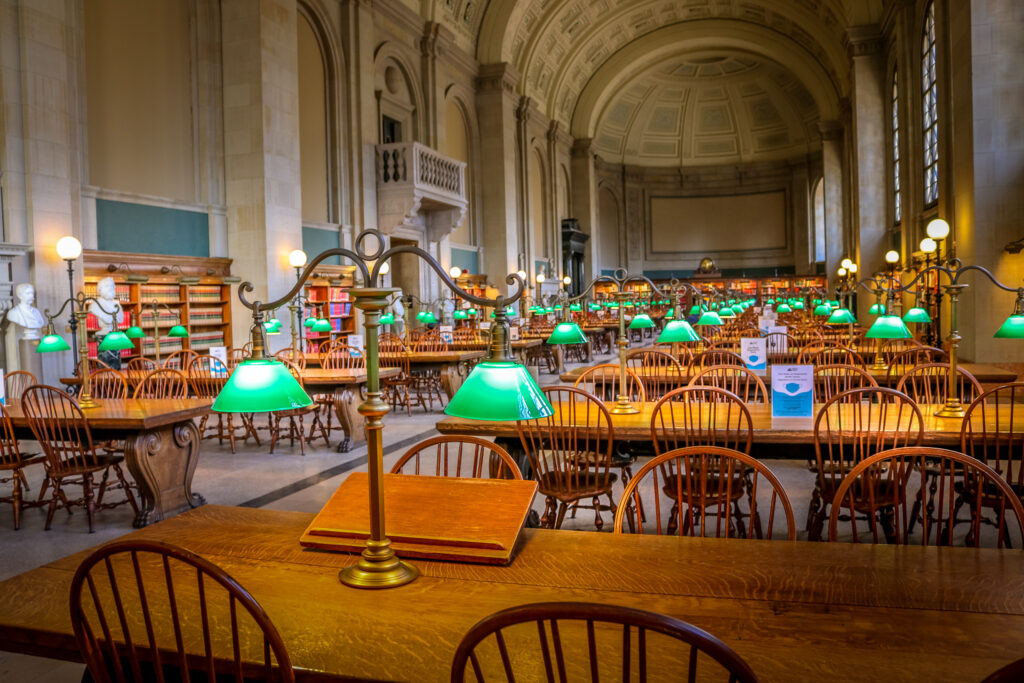
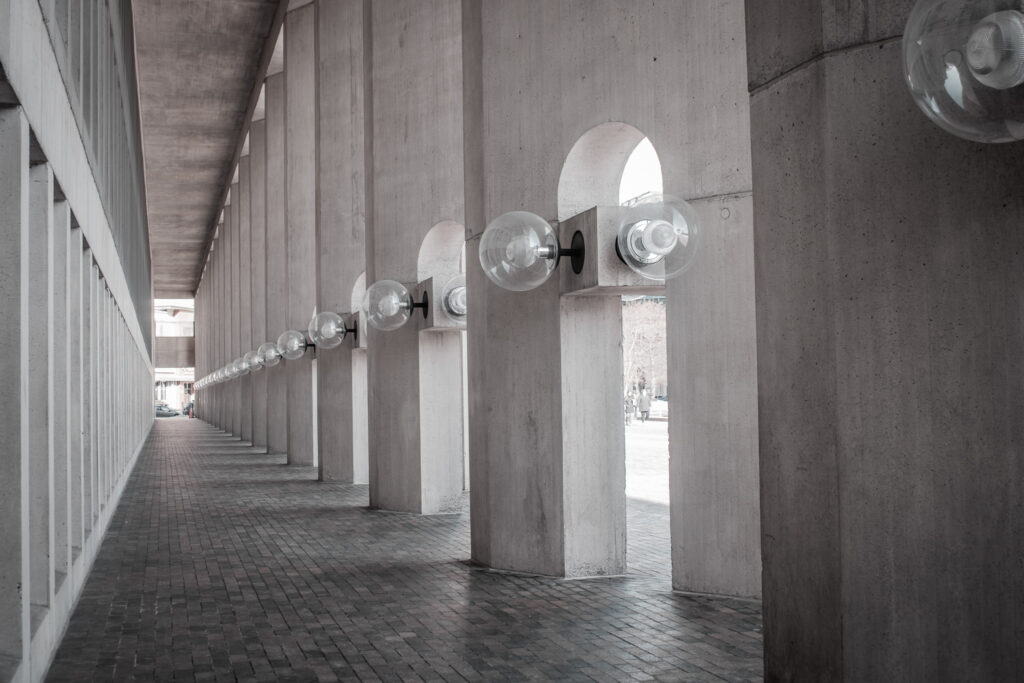
The Boston Public Library’s main room is a photographer’s dream. With its old books and bright green lights that run down the middle of the main reading room, it’s definitely worth visiting. Two huge lions grace the staircase going up toward the room. I was particularly interested in the John Singer Sargent murals upstairs that are like no others of his art. Lastly, make sure you check out the lights overhead the entry doors. They are really unique.
The Library is open M-Th 9:00 to 8:00 pm and on Friday from 9:00 am to 5:00 pm. They are closed on Sunday. They have started offering architectural tours again.
This library has a room in it where you can go inside a stain glass globe. Unfortunately, the entire library was under renovation and closed so we wondered the halls outside.
Quincy Market
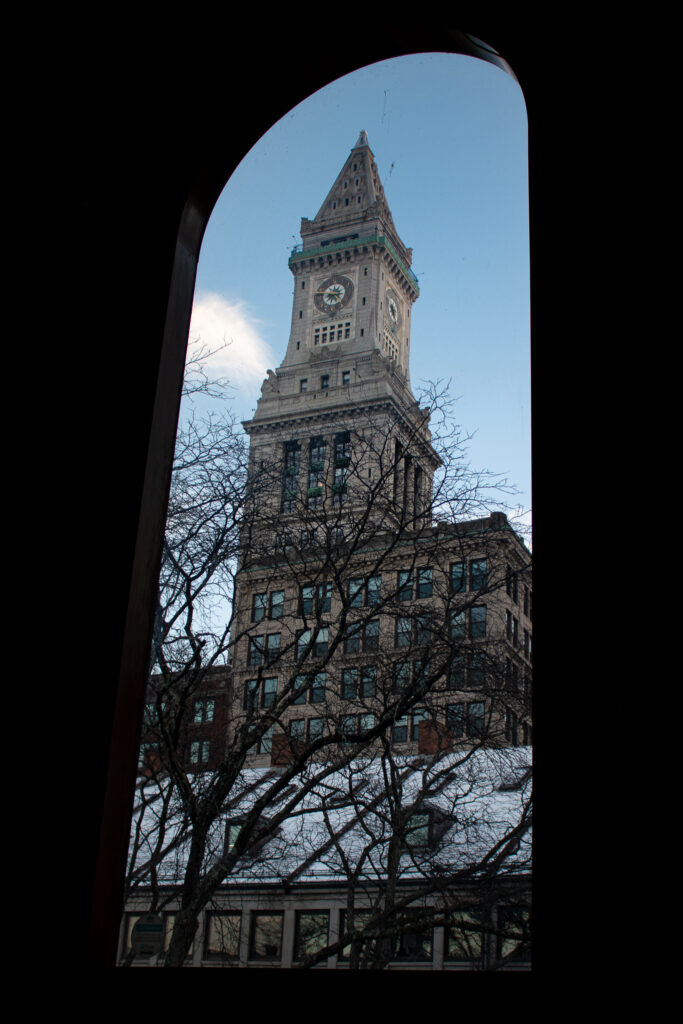
The Quincy Market, named after the Mayor Josiah Quincy, opened in 1826 and underwent restorations in the 1970’s. It is actual just one of the markets contained in Faneuil Hall Marketplace that includes Faneuil Hall, Quincy Market, North Market and South Market. You can shop, people watch, sit in a local pub or enjoy a meal. This is also a good area to just walk near the water.
If you are interested in U.S. history, these last two places are for you. Paul Revere lived in Boston. Remember the one if by land, two if by sea story? Paul Revere was tasked with riding to Lexington Massachusetts to inform the residents that the British were going to arrest John Hancock and Samuel Adams and then ransack local militia and food supplies. It turns out there was no proof of the possible arrests but Paul Revere told a friend to go to the the Old Church to inform him how they would invade. He was to go to the steeple and watch for the British, lighting one lantern if they came by land and two if they came by sea. Late into the evening, Revere saw the light(s) and sped on his horse to pass on the information. How many lanterns did he see? You’ll have to drop by the house to find out or you can read Revere’s own account.
The house is open daily from 10:00 to 4:15. The cost is: Adults $6.00 Seniors and College Students $5.50 Children (ages 5-17) $1.00
John F. Kennedy (JFK) Presidential Library
Not directly in the city but nearby is the John F. Kennedy Presidential Library. JFK was our 35th president and probably the most dynamic. You can learn all about the Kennedy’s lifestyle, his presidency and how Jackie helped change the role of the First Lady. The Library is open Thursdays-Sundays and you need to reserve tickets in advance. I failed this on this one and the Library was completely booked. Guess we’ll have to go back.